
While the colossal pyramids of Giza and the sprawling temples of Luxor capture the imagination, few sites offer as intimate a glimpse into the daily life and monumental aspirations of ancient Egypt’s first capital as the Memphis Open-Air Museum. Located at Mit Rahina, just a short drive south of Cairo, this unique archaeological park allows visitors to walk among the scattered remnants of a city that once ruled a powerful empire for millennia.
For any traveler on an Egypt tour interested in the foundational history of this remarkable civilization, the Memphis Open-Air Museum is a vital and easily accessible stop, often combined with a visit to the nearby Saqqara Necropolis and the Dahshour Pyramids.
The Glory That Was Memphis: A Brief History
Founded by King Menes around 3100 BCE, Memphis served as the capital of unified Egypt throughout the Old Kingdom and remained a significant political and religious center for much of ancient Egyptian history. It was the principal cult center for the god Ptah, the patron deity of craftsmen and architects. Though time, natural forces (like the changing course of the Nile), and stone quarrying for later cities have left little of the original city standing, what remains at the open-air museum provides powerful insights.
Unveiling the Treasures: Highlights of the Museum
The Memphis Open-Air Museum offers a concentrated collection of monumental sculptures and architectural fragments that speak volumes about the city’s past grandeur.
The Colossal Statue of Ramses II: This is undoubtedly the star attraction. Lying prone within a specially constructed pavilion, this enormous limestone statue of Ramses the Great (measuring over 10 meters long) is remarkably well-preserved. You can walk around it on a viewing platform, appreciating the intricate details of the pharaoh’s crown, regalia, and serene facial expression. It’s a breathtaking testament to the scale of ancient Egyptian artistry and the ego of one of its most powerful rulers.
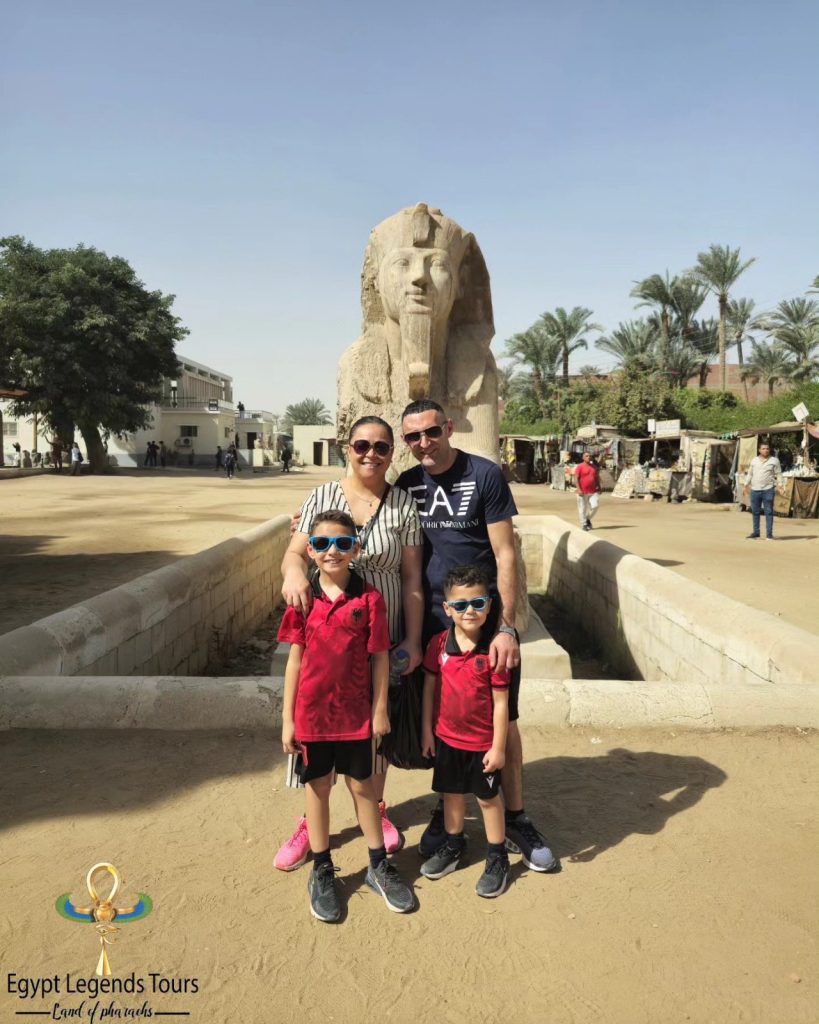
The Alabaster Sphinx of Memphis: Another magnificent piece, this beautifully sculpted alabaster sphinx weighs approximately 80 tons and is believed to date from the New Kingdom, possibly depicting Pharaoh Amenhotep II. Unlike the Great Sphinx of Giza, which is carved from bedrock, this sphinx is a single, exquisitely polished piece of white alabaster, exuding a sense of serene majesty.
Remnants of the Temple of Ptah: While the grand Temple of Ptah is largely gone, you can still see various fragmented statues, column bases, and stone blocks scattered throughout the museum grounds. These provide a tangible connection to the colossal scale of the city’s main cult center.
Other Statues and Artifacts: The museum features a collection of other statues of pharaohs, deities, and officials, as well as stelae and various architectural elements, offering further insights into the diverse artistic and religious practices of ancient Memphis.
Why Visit the Memphis Open-Air Museum
A Crucial Historical Context: Visiting Memphis is essential for understanding the broader Memphis Necropolis (which includes Saqqara and Dahshour) and the evolution of ancient Egyptian monumental architecture. It provides the urban context for the magnificent tombs and pyramids built on the desert plateau.
Intimate Scale: Unlike the vastness of Luxor’s temple complexes, the Memphis Open-Air Museum is relatively compact, allowing for a focused and digestible exploration of its key artifacts. You can get up close to the colossal statues and appreciate their details.
Convenient Location: Situated just a short drive from Cairo, it’s an ideal addition to any Cairo day tour itinerary, often combined with Saqqara and Dahshour for a comprehensive journey through the Old Kingdom.
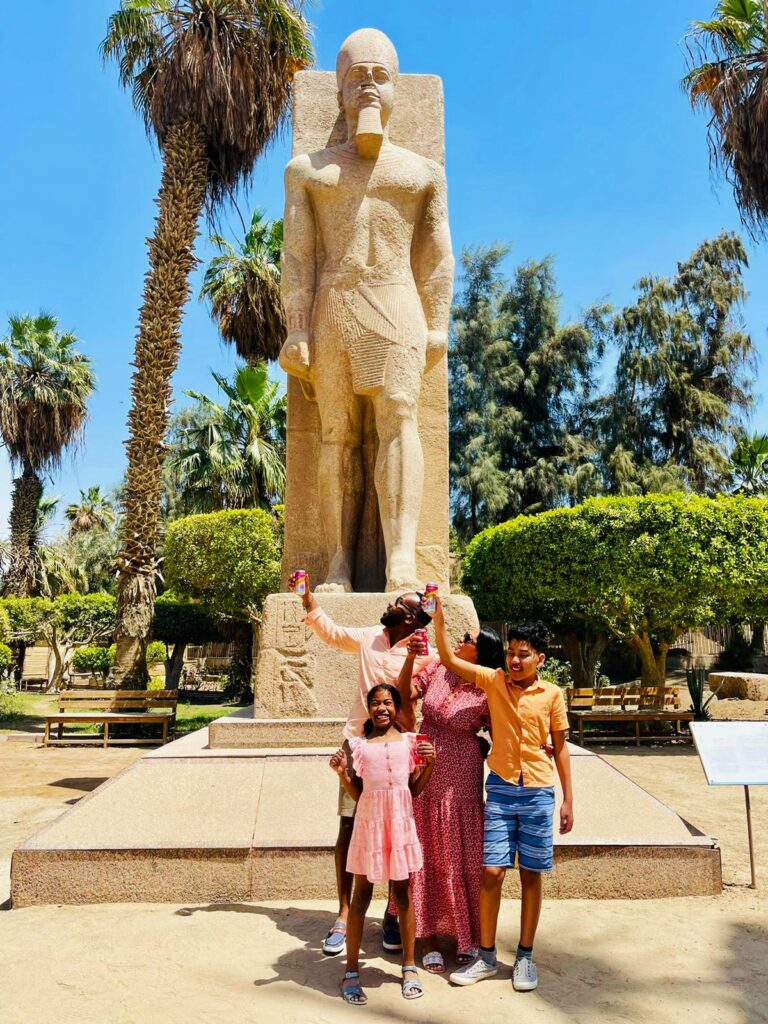
Photographic Opportunities: The colossal statues against the open sky provide excellent opportunities for memorable photos.
Planning Your Visit:
- Combine Your Trip: The Memphis Open-Air Museum is best visited as part of a day trip that includes the Step Pyramid of Djoser at Saqqara and the pyramids of Dahshour. This allows for a chronological and geographical understanding of early Egyptian monumental building.
- Comfortable Attire: As an outdoor site, wear comfortable walking shoes, a hat, and sunscreen, especially during sunny months.
- Opening Hours: Check current opening hours, as they can vary seasonally (typically 8 AM to 4 PM).
The Memphis Open-Air Museum may not boast intact temples or towering pyramids, but it offers a powerful connection to the very foundations of ancient Egyptian civilization. It’s a place where you can touch the remnants of a city that shaped history, making it an invaluable stop for any serious exploration of Egypt’s archaeological wonders.
Step back in time to the heart of ancient power – discover the secrets of Memphis at its open-air museum!