For decades, the Egyptian Museum in Tahrir Square has been the iconic home of the world’s most extensive collection of ancient Egyptian antiquities. It’s a place where history literally spills out of every corner, a testament to the incredible richness of this ancient civilization. However, a new era in Egyptian museology has dawned with the much-anticipated Grand Egyptian Museum (GEM), promising an unparalleled experience.
For any traveler passionate about ancient Egypt, understanding both these incredible institutions is key to planning your visit to Cairo.
The Egyptian Museum (Museum of Egyptian Antiquities) – Tahrir Square: A Historical Gem
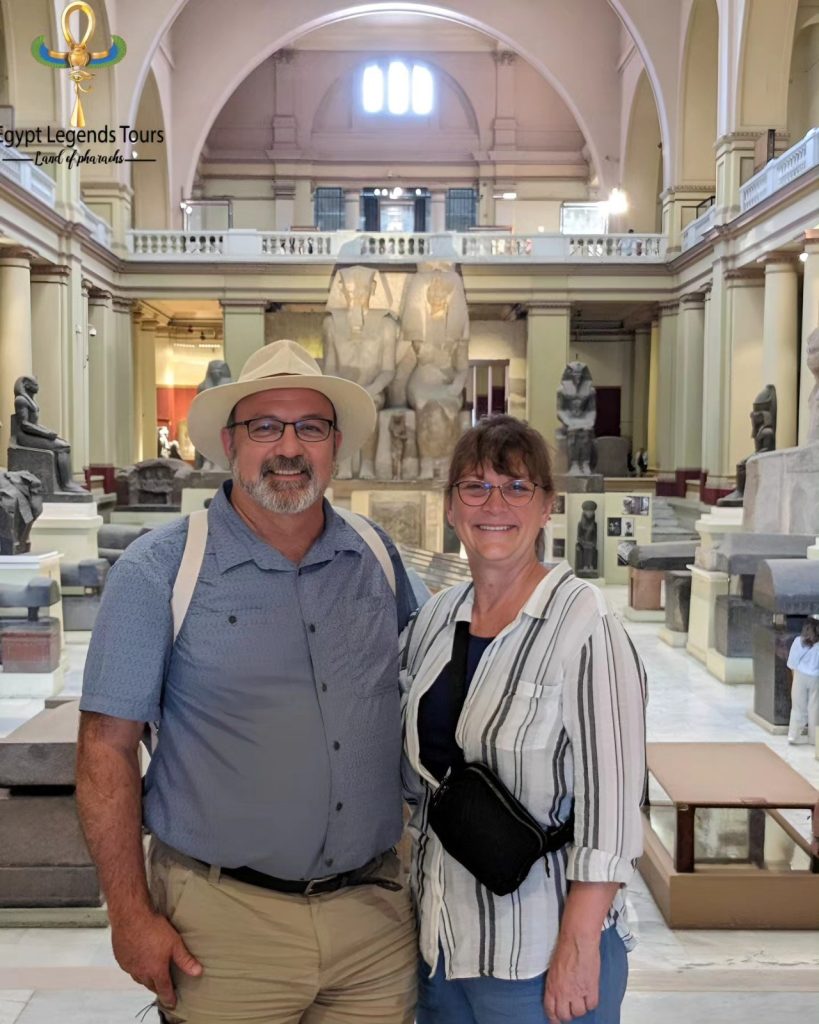
Often referred to simply as “the Egyptian Museum,” this grand, pink-hued building in the heart of Tahrir Square has captivated visitors since its opening in 1902. Stepping inside is like entering a time capsule, where the sheer volume of artifacts is overwhelming in the most exhilarating way.
Highlights of the Egyptian Museum, Tahrir:
- Tutankhamun’s Treasures (Currently being transferred): For years, the undeniable highlight was the glorious gold burial mask of Tutankhamun and the vast collection of artifacts from his tomb. While many of these items have now moved to the GEM, the Tahrir Museum still holds some important pieces related to Tutankhamun and other significant artifacts. Check current availability when planning your visit.
- The Royal Mummies Room (Now at NMEC): Another popular section was the Royal Mummies Room, displaying the mummified remains of pharaohs like Ramses II and Hatshepsut. These have largely been transferred to the National Museum of Egyptian Civilization (NMEC), another must-visit museum in Cairo.
- Narmer Palette: A crucial artifact from the Early Dynastic period, this slate palette depicts the unification of Upper and Lower Egypt and is a cornerstone of early Egyptian history.
- Statues of Khafre and Menkaure: Marvel at the powerful and exquisitely carved statues of the Old Kingdom pharaohs, offering insight into the artistry of the Pyramid Age.
- Statue of Ka-aper (Sheikh el-Balad): This incredibly lifelike wooden statue from the Old Kingdom is famous for its realistic eyes and expressive face.
- Countless Sarcophagi, Jewelry, and Daily Life Objects: The museum’s vast collection covers every aspect of ancient Egyptian life, from predynastic tools to Greco-Roman artifacts, offering endless discoveries for the curious mind.
The Tahrir Museum, with its slightly more chaotic yet authentic charm, provides a sense of discovery as you wander through its crowded halls, filled with millennia of history.
The Grand Egyptian Museum (GEM): The Future of Egyptian Heritage
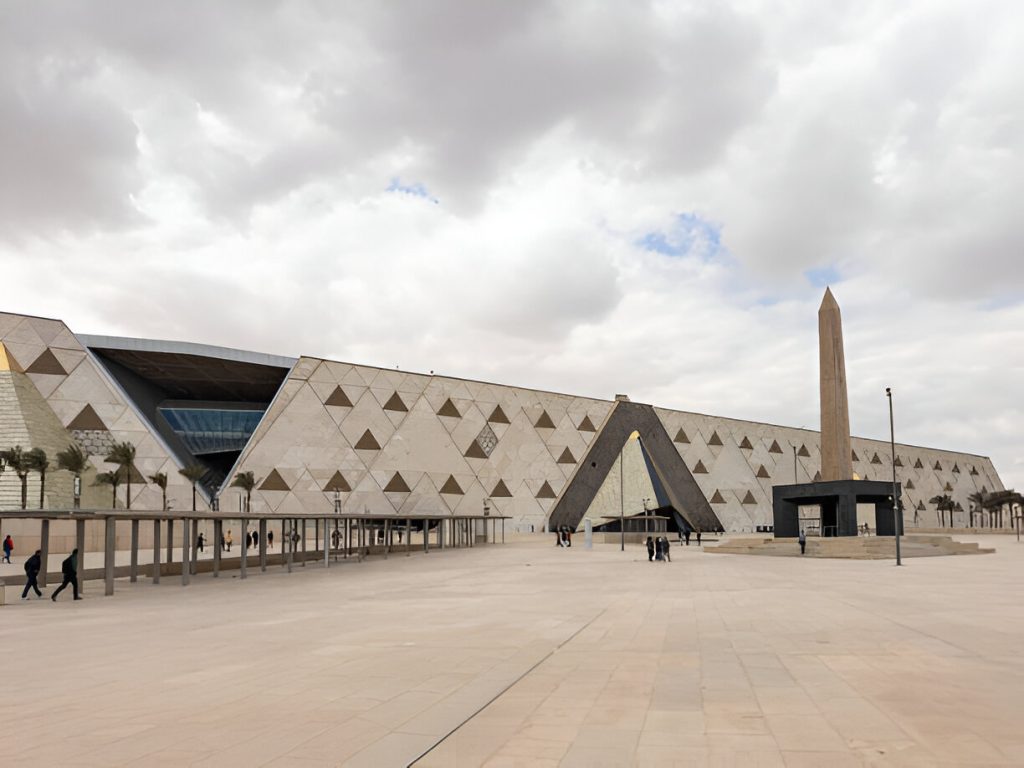
Overlooking the magnificent Giza Pyramids, the Grand Egyptian Museum is a monumental undertaking, designed to be the largest archaeological museum in the world. After years of anticipation and a soft opening phase, the GEM is now largely accessible, providing a state-of-the-art home for Egypt’s unparalleled heritage.
Key Features and Highlights of the GEM:
- The Complete Tutankhamun Collection: For the very first time, all 5,000 artifacts found in King Tutankhamun’s tomb will be displayed together, offering an unprecedented look into the life and afterlife of the boy king. This is a major draw for Egypt tours.
- Colossal Statue of Ramses II: A towering statue of Ramses the Great greets visitors in the grand atrium, setting the stage for the awe-inspiring collections within.
- The Grand Staircase: This impressive staircase is adorned with colossal statues and artifacts, guiding visitors on a chronological journey through Egyptian history, culminating in panoramic views of the Giza Pyramids.
- Khufu’s Solar Boat: Housed in its own dedicated gallery, the meticulously reconstructed Solar Boat of Khufu is a breathtaking testament to ancient Egyptian shipbuilding and beliefs about the afterlife.
- Modern Exhibition Spaces: The GEM utilizes cutting-edge technology and spacious, well-lit galleries to present artifacts in a clear, engaging, and comprehensive manner.
- Conservation Center: The museum also boasts a world-class conservation center, allowing visitors to glimpse the meticulous work involved in preserving these ancient treasures.
Which Museum to Visit?
With the opening of the GEM, many travelers wonder if they need to visit both. The answer often depends on your interests and available time:
- For the Ultimate Experience: If time permits, visiting both the Grand Egyptian Museum and the Egyptian Museum in Tahrir offers a comprehensive understanding. The GEM provides a modern, chronological narrative with all of Tutankhamun’s treasures, while the Tahrir Museum retains a historical charm and a vast collection of other significant artifacts.
- If Time is Limited: For most visitors, the Grand Egyptian Museum is now the primary destination for a deep dive into ancient Egyptian history, especially to see the complete Tutankhamun collection and enjoy its modern presentation.
- Don’t Forget NMEC: Also consider visiting the National Museum of Egyptian Civilization (NMEC), which now houses the Royal Mummies and offers a broader overview of Egyptian civilization from prehistoric times to the modern era.
Planning Your Museum Visit:
- Book Tickets in Advance: Especially for the GEM, purchasing tickets online can save time.
- Wear Comfortable Shoes: You’ll be doing a lot of walking!
- Stay Hydrated: Carry water, particularly during warmer months.
- Photography Rules: Be aware of photography restrictions, especially for specific sensitive artifacts.
Whether you’re exploring the nostalgic halls of the Egyptian Museum or marveling at the technological prowess of the Grand Egyptian Museum, these institutions offer unparalleled opportunities to connect with the incredible legacy of ancient Egypt. They are absolute must-sees for anyone on an Egypt tour or interested in Egyptian archaeology.
Embark on your journey through ancient history – your adventure in Cairo’s magnificent museums awaits!