Often hailed as the “world’s greatest open-air museum,” Luxor is not just a city in modern-day Egypt; it is the breathtaking site of ancient Thebes, the capital of the New Kingdom pharaohs. Standing proudly on the banks of the mighty Nile River, Luxor is a living testament to the grandeur, artistry, and religious devotion of one of history’s most powerful civilizations. For anyone seeking to delve deep into ancient Egyptian history and archaeology, Luxor is an absolute, unmissable destination.
The East Bank: Temples of Gods and Kings
The East Bank of Luxor, where the modern city thrives, is dominated by two colossal temple complexes that once formed the spiritual heart of ancient Thebes.
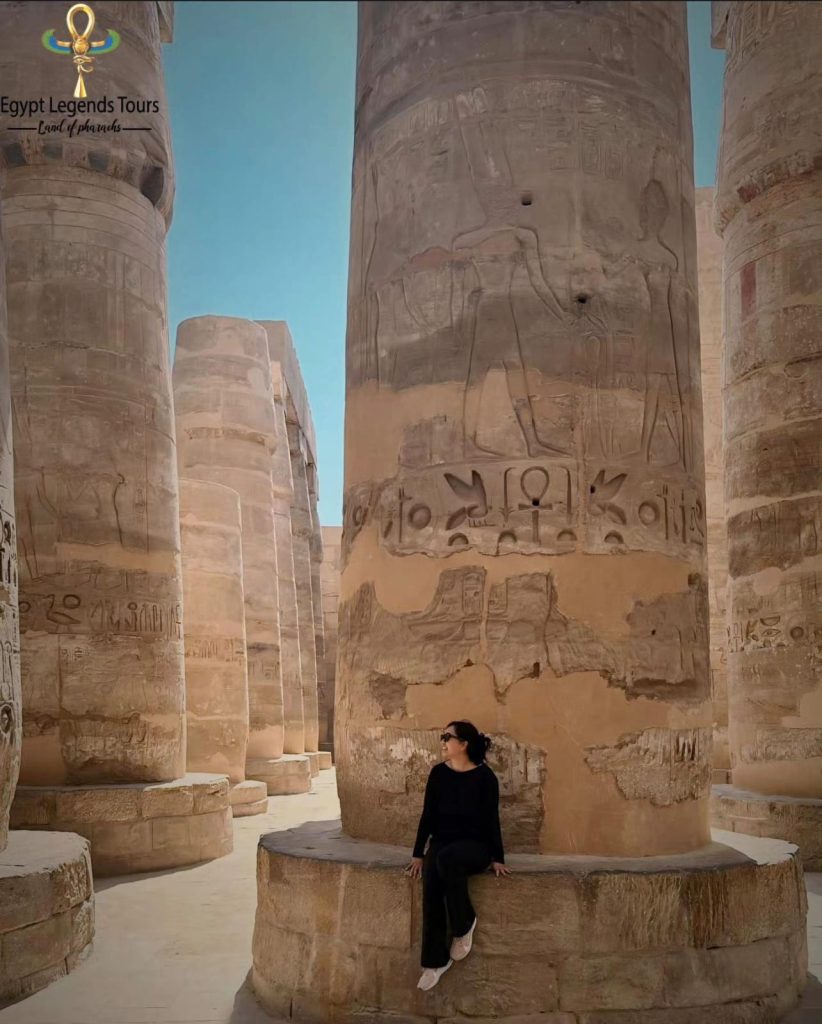
Karnak Temple Complex: This is not just a temple; it’s a sprawling city of temples, chapels, pylons, and obelisks built over two millennia. As the largest religious site ever constructed, Karnak is dedicated primarily to the god Amun-Ra. Walking through its awe-inspiring Hypostyle Hall, with its 134 massive columns reaching towards the sky, feels like stepping into a sacred forest of stone. Every pharaoh wanted to leave their mark here, making it a chronological record of their devotion and power.
Luxor Temple: Located closer to the city center and beautifully illuminated at night, Luxor Temple is a graceful and elegant sanctuary dedicated to the rejuvenation of kingship. Built largely by Amenhotep III and Ramses II, it was the focal point of the annual Opet Festival, celebrating the fertility of the Nile and the bond between the pharaoh and the gods. The Avenue of Sphinxes, now largely re-excavated and connecting Luxor Temple to Karnak, offers a glimpse into the grand processional routes of antiquity.
The West Bank: The City of the Dead
Across the Nile, the West Bank of Luxor is often referred to as the “City of the Dead.” This arid, dramatic landscape served as the royal necropolis for the New Kingdom pharaohs and nobles, where elaborate tombs were carved deep into the desert cliffs, designed to protect the journey to the afterlife.
Valley of the Kings: The most famous burial site in Egypt, the Valley of the Kings is the final resting place for many of Egypt’s most celebrated pharaohs, including the legendary Tutankhamun, Seti I, and Ramses II. Descending into these meticulously decorated tombs, adorned with vibrant hieroglyphs and intricate scenes from the Book of the Dead, is an unforgettable experience. Each tomb offers a unique artistic and historical narrative.
Temple of Hatshepsut (Deir el-Bahari): Dedicated to one of ancient Egypt’s most successful female pharaohs, the Mortuary Temple of Hatshepsut is a striking, multi-terraced structure carved into the limestone cliffs. Its unique design and impressive scale make it a marvel of ancient architecture and a testament to her powerful reign.
Valley of the Queens: The burial ground for the wives and children of the pharaohs, the Valley of the Queens holds some exceptionally beautiful tombs, most notably the richly decorated Tomb of Nefertari, often considered one of the most stunning tombs in Egypt.
Colossi of Memnon: These two massive stone statues of Pharaoh Amenhotep III stand majestically in the fields, silent guardians of what was once his magnificent mortuary temple. They offer an imposing first impression of the West Bank’s monumental scale.
Medinet Habu (Mortuary Temple of Ramses III): Often overlooked but incredibly well-preserved, Medinet Habu is a fortified temple complex adorned with vivid reliefs depicting Ramses III’s military victories and religious festivals. Its colors and details are remarkably intact, offering a vibrant look into New Kingdom art.

Beyond the Grand Sights:
Luxor Museum: A beautifully curated museum housing a select collection of masterworks discovered in and around Thebes, providing excellent context for the sites you’ll visit.
Mummification Museum: Offers fascinating insights into the ancient Egyptian art and science of mummification.
Nile River Felucca Ride: Experience the tranquility of the Nile on a traditional sailboat, providing stunning views of the East and West Banks, especially at sunset.
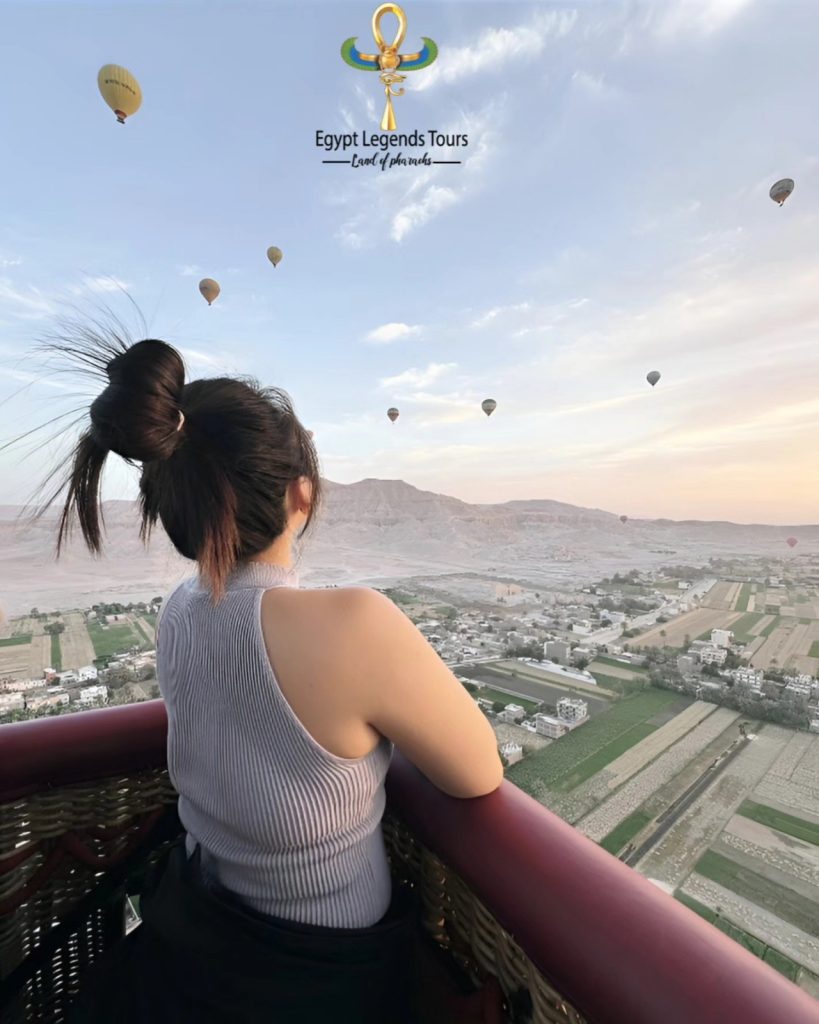
Hot Air Balloon Ride: For an unforgettable panoramic view, a hot air balloon ride at sunrise over the West Bank offers a breathtaking perspective of the temples, valleys, and the vast desert landscape.
Planning Your Luxor Adventure:
- Best Time to Visit: The cooler months from October to April are ideal for exploring Luxor, with pleasant temperatures.
- Comfortable Attire: Dress modestly and wear comfortable walking shoes, a hat, and sunscreen.
- Stay Hydrated: Always carry plenty of water.
Luxor is more than just a destination; it’s an immersive journey into the heart of ancient Egyptian civilization. Every temple, every tomb, every relief tells a story of pharaohs, gods, and a people’s unwavering belief in the eternal. Prepare to be awestruck.