A New Dawn for Ancient Egypt: Celebrating the Grand Egyptian Museum’s Grand Opening!

The Timeless Beauty of GEM

The moment we’ve all been waiting for is finally here! After decades of planning and construction, the Grand Egyptian Museum (GEM) in Giza is officially opening its doors to the world. This colossal event marks a historic milestone for Egypt and global culture, setting a new benchmark for showcasing ancient civilization.
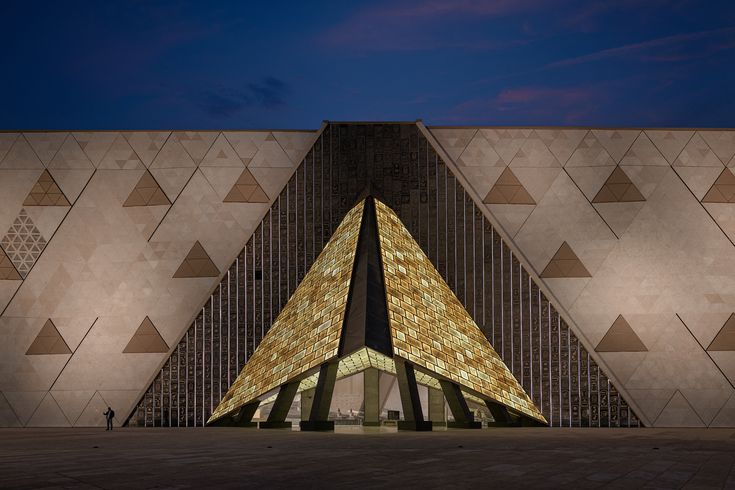
Grand Egyptian Museum | Client: HZ – Design: Heneghan Peng Architects

The Celebration of the Century

The official inauguration ceremony, scheduled for November 1, 2025, is a globally anticipated event, expected to draw heads of state, international dignitaries, and royalty. This isn’t just a museum opening; it’s a grand cultural message from Egypt, reaffirming its position as a cradle of civilization.

The excitement is palpable across the entire nation as the country celebrates the completion of this monumental project. The GEM, located near the Pyramids of Giza, is more than just a museum—it’s an architectural marvel designed to connect ancient wonders with a modern vision for the future of Egyptian heritage.

Discovering the Treasures of Tutankhamun

The main attraction that has captivated the world’s imagination is the complete Tutankhamun collection. For the first time ever, over 5,000 artifacts from the Boy King’s tomb—including the iconic gold funerary mask, chariots, and jewelry—will be displayed together in one location. This unprecedented exhibition offers a profound glimpse into the life and afterlife of this legendary pharaoh.

Beyond Tutankhamun, the museum houses an astounding 100,000 artifacts, charting the full course of ancient Egyptian civilization from prehistory to the Roman era.

King Khufu’s Boats Museum: Dedicated to the meticulously reconstructed 4,500-year-old solar barques, essential to the journey to the afterlife.

The Colossal Ramses II Statue: Standing proudly in the Grand Hall, this 3,200-year-old, 83-ton statue is the first sight to greet visitors.

The Grand Staircase: Lined with over 60 massive statues and artifacts, this majestic staircase offers a panoramic view of the Giza Pyramids.
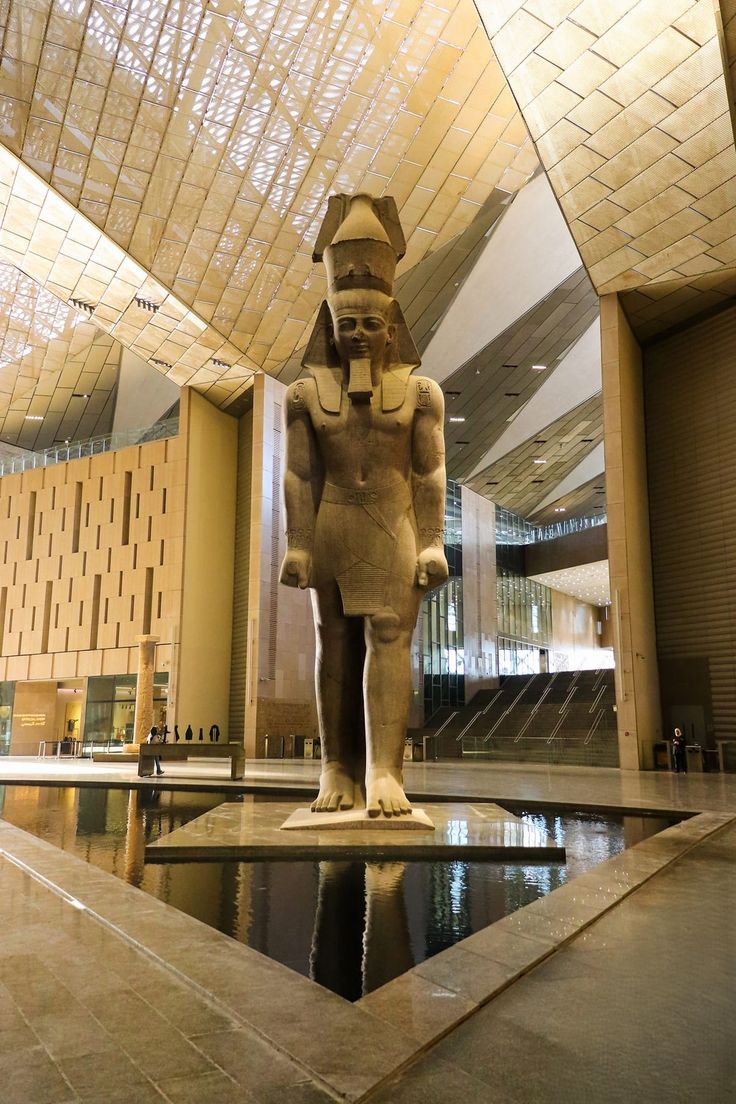
King Ramses The Second, GEM

Your Visit to the GEM: Plan Your Trip to Giza

The Grand Egyptian Museum will fully open to the public on November 4, 2025, immediately following the official inauguration.

This stunning new landmark is set to dramatically enhance Egypt tourism, providing a state-of-the-art, accessible experience for visitors worldwide. With its innovative design, cutting-edge conservation laboratories, and world-class exhibits, the GEM is not just preserving the past—it is building a new future for archaeological museums.

Don’t miss the chance to be among the first to explore this once-in-a-lifetime cultural destination.
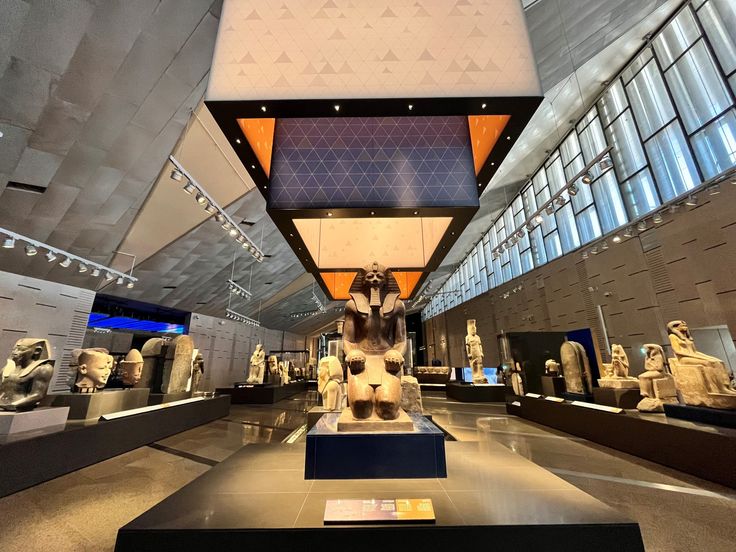
Queen Hatshepswut,GEM

Discover the Secrets of the Saqqara Complex: Egypt’s Oldest Pyramid Site

The Timeless Beauty of Saqqara

Located just 30 km south of Cairo, Saqqara is not only one of Egypt’s most captivating archaeological sites but also a glimpse into the rich tapestry of ancient Egyptian civilization. This extensive necropolis served as the burial ground for Memphis, the first capital of Egypt, and is home to the world’s oldest pyramid, the Saqqara Pyramid, famously known as the Step Pyramid of King Djoser. The site is a UNESCO World Heritage site and offers a deep dive into ancient history, with structures that date back over 4,600 years, making it a must-see destination for any traveler interested in Egypt’s storied past.

For travelers seeking to explore Egypt beyond the Giza Pyramids, the Saqqara Complex offers an authentic journey through time — filled with ancient tombs, hieroglyphs, and architectural wonders

For travelers seeking to explore Egypt beyond the Giza Pyramids, the Saqqara Complex offers an authentic journey through time, filled with ancient tombs, hieroglyphs, and architectural wonders. Visitors can immerse themselves in the history of ancient Egypt, learning about the cultural significance of the burial practices and the architectural innovations that made the Saqqara Pyramid a groundbreaking achievement in its time.

Visitors to the Saqqara Pyramid are often struck by its grandeur and significance in the history of ancient Egypt.

The Saqqara Pyramid stands as a testament to the architectural advancements of ancient Egypt, drawing visitors from around the globe.

Exploring the Saqqara Complex allows you to witness the evolution of pyramid design and understand the deep religious beliefs that influenced these magnificent structures. The Saqqara Pyramid stands as a testament to this architectural prowess, drawing visitors from around the globe to experience its historical grandeur and significance firsthand.

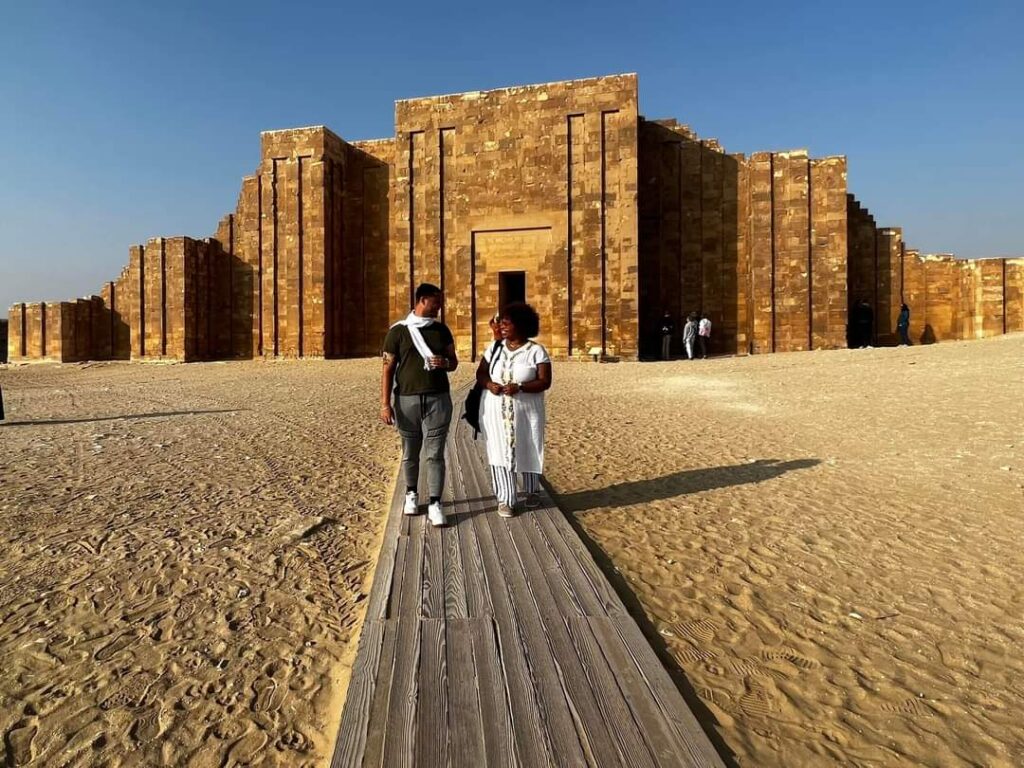
Saqqara Complex, Giza

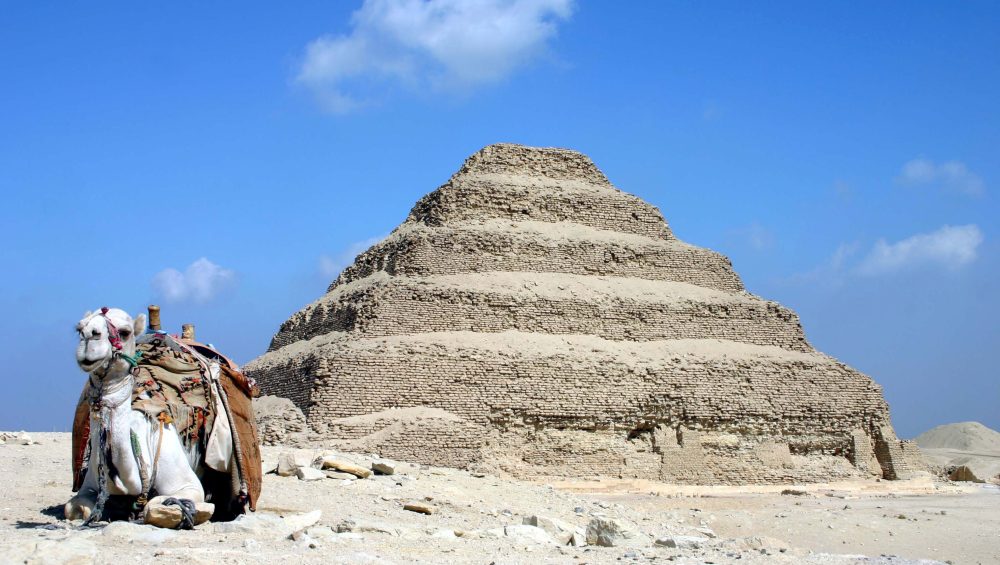
The Step Pyramid of Djoser – Egypt’s First Pyramid

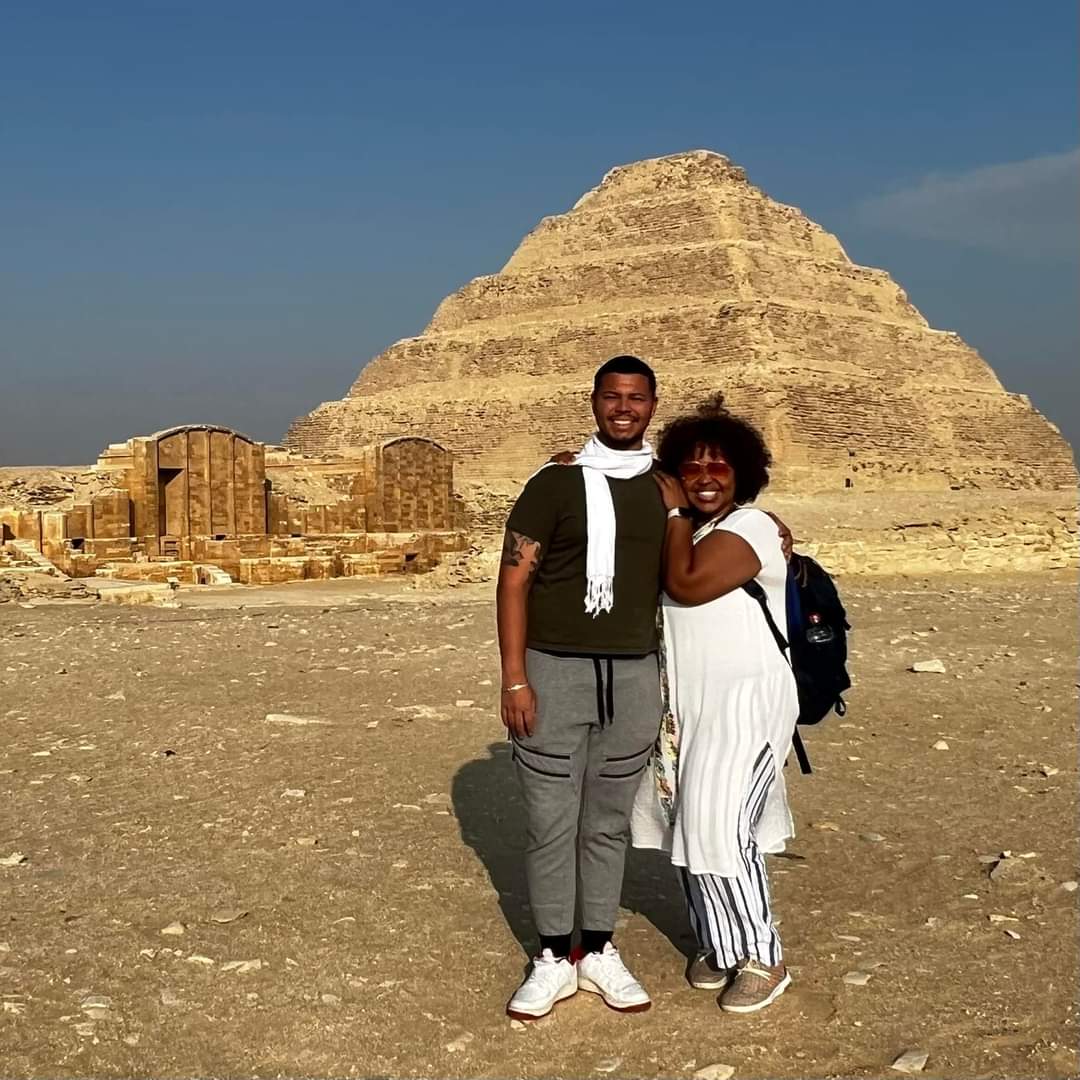
Built during the 27th century BC by the genius architect Imhotep, the Step Pyramid marks a revolutionary turning point in ancient Egyptian architecture.
Unlike the smooth-sided pyramids of Giza, this six-step structure was the prototype for all future pyramids.

Visitors can explore its underground tunnels and marvel at its limestone courtyards that have stood for more than 4,600 years.

Tombs of Nobles and Artisans

The Saqqara Complex is home to some of the most beautifully decorated tombs in all of Egypt. Inside the Tomb of Ti, Tomb of Kagemni, and others, vibrant wall carvings depict scenes of daily life — from fishing and farming to ancient celebrations.

These tombs give visitors a rare glimpse into how ordinary Egyptians lived, worked, and worshipped thousands of years ago.

The Serapeum of Saqqara – Sacred Bulls of Apis

Hidden beneath the desert sands lies the mysterious Serapeum, a vast underground network that served as the burial site for the sacred Apis bulls — animals worshipped as living gods in ancient Egypt.

The immense granite sarcophagi and torch-lit corridors make this one of the most breathtaking and spiritual sites in Saqqara.

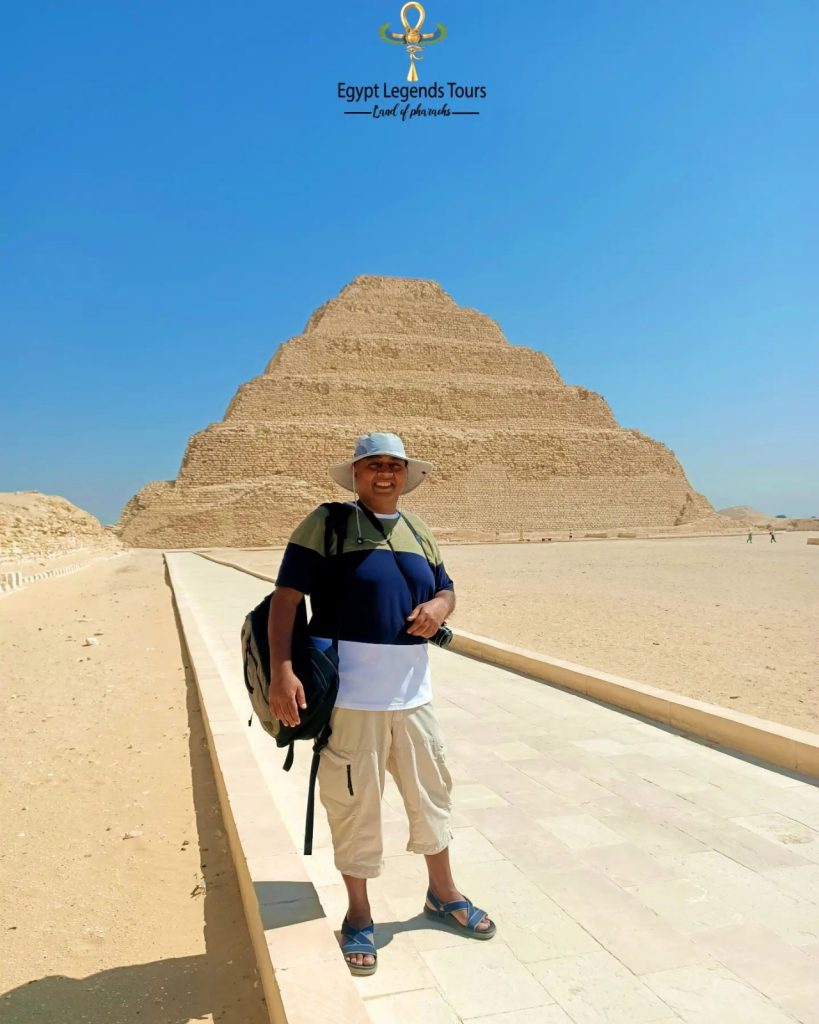
Step Pyramid of Zoser, Saqqara

Why Visit Saqqara with Egypt Legends Tours

At Egypt Legends Tours, we believe Saqqara is not just a site to visit — it’s a story to experience.
Our expert Egyptologist guides will walk you through the Step Pyramid, noble tombs, and hidden chambers while sharing fascinating stories that bring ancient Egypt to life.

Whether you’re a history lover or a first-time traveler, our Saqqara & Memphis Day Tour offers the perfect mix of adventure, knowledge, and culture.

Saqqara is not only Egypt’s oldest pyramid site — it’s the birthplace of monumental architecture and a living museum of ancient Egyptian art and culture.

From the Step Pyramid of Djoser to the beautifully decorated tombs and mystical Serapeum, every corner of Saqqara tells a story that still inspires wonder today.

Book your Saqqara day tour with Egypt Legends Tours and step back in time to explore the origins of ancient Egyptian civilization.

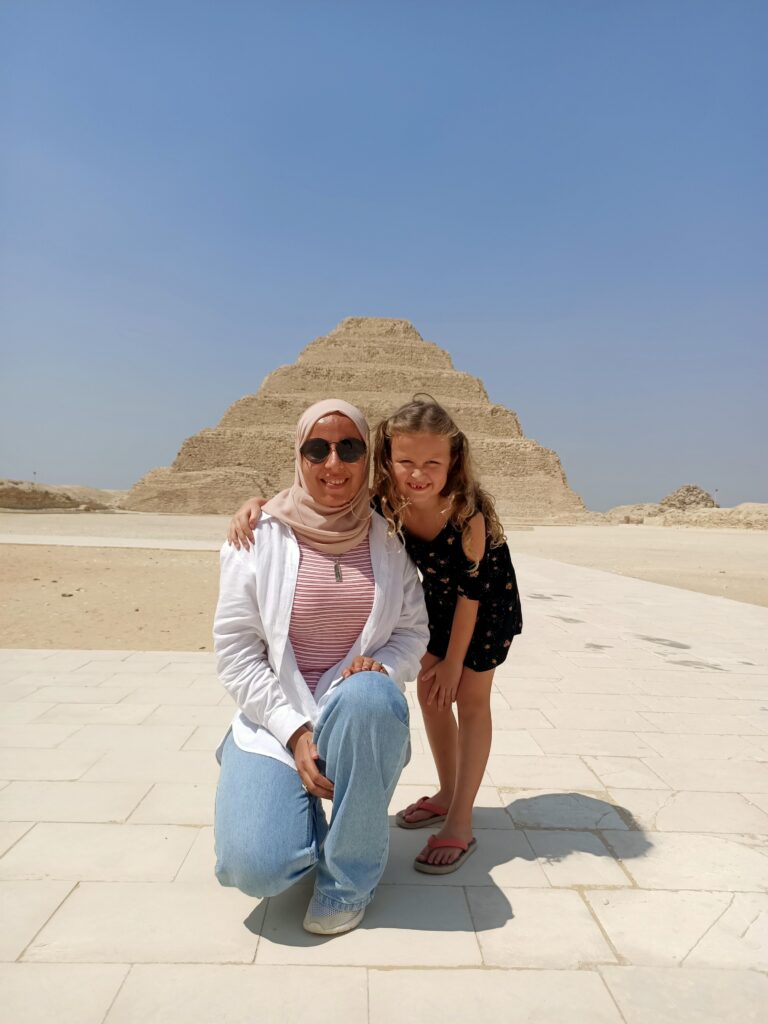
Step Pyramid, Saqqara

Unlocking the Mysteries: What Your Egyptologist Guide Knows (and You Don’t!)

You’ve seen the photos, read the history books, and dreamt of walking among the ancient wonders of Egypt. But what if we told you that even with all your research, there’s a universe of insights waiting to be “unlocked” – a depth of understanding that only a true expert can provide?

At Egypt Legends Tours, we believe that a journey through the land of pharaohs should be more than just sightseeing; it should be an immersive, educational, and deeply personal discovery. That’s why every one of our tours is led by a passionate, certified Egyptologist guide.

So, what exactly does your Egyptologist guide know (and why is it absolutely essential for your Egyptian adventure)? Prepare to have your mind opened!

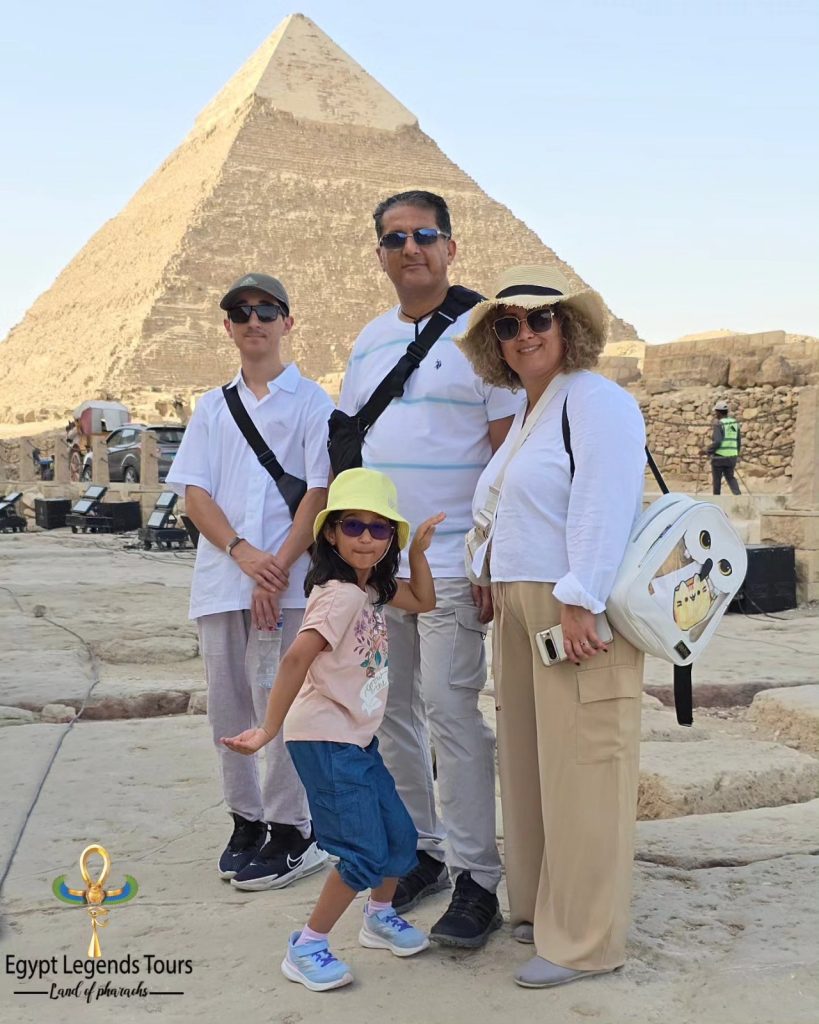
Giza Pyramids, Giza

Beyond the Textbooks: The Stories Behind the Stones

While history books give you the facts, an Egyptologist guide brings those facts to life. They understand:

  • The Nuances of Symbolism: Every carving, every color, every posture in a temple or tomb tells a story. Your guide can decode the intricate symbolism, explaining why a particular god is depicted with a falcon head, or the precise meaning of a specific hieroglyph. It’s like watching a silent movie suddenly gain a captivating soundtrack.
  • Ancient Daily Life: It’s not just about kings and queens. Your guide can paint a vivid picture of what life was truly like for the farmers, artisans, and ordinary people of ancient Egypt. From their food and fashion to their beliefs and superstitions, you’ll gain a richer understanding of this fascinating civilization.
  • Architectural Secrets: How were the Pyramids of Giza really built? What engineering marvels allowed the construction of the colossal Karnak Temple Complex? Your guide can delve into the techniques, tools, and immense human effort behind these impossible structures, often revealing details you’d never notice on your own.

The Pulse of the Past: Connecting to the Human Element

An Egyptologist doesn’t just recite dates and names. They help you connect emotionally with the past:

  • The Voices of the Deceased: In the Valley of the Kings, it’s easy to be overwhelmed by the artistry. Your guide will highlight specific scenes, perhaps explaining the prayers or spells intended to guide the pharaohs in the afterlife, making the human desire for immortality palpable.
  • The Purpose Behind the Rituals: From offerings to mummification, ancient Egyptian rituals were deeply meaningful. Your guide can explain the ‘why’ behind these practices, giving you a profound appreciation for their spiritual world.
  • Unpublished Insights: Many Egyptologists are involved in ongoing excavations or have access to the latest academic findings. They can share cutting-edge theories and discoveries that haven’t even made it into general publications yet!
Stanly Bridge Restaurant, Alexandria

Navigating the Present: Your Key to a Seamless Journey

Beyond the ancient wisdom, your Egyptologist guide is also your most valuable asset in modern Egypt:

  • Cultural Bridges: They are adept at navigating local customs, traditions, and etiquette. They can help you interact respectfully with locals, understand bargaining in a bazaar, and provide insights into contemporary Egyptian life.
  • Logistical Masters: Forget about getting lost or missing key details. Your guide seamlessly handles tickets, timings, transportation, and ensures you maximize your time at each site. They know the best vantage points, the quietest times to visit, and how to make every moment count.
  • Problem Solvers: Unexpected situations can arise. Having an experienced local expert by your side means any minor hiccups are handled efficiently, leaving you free to enjoy your vacation.

The Egypt Legends Tours Difference

Choosing Egypt Legends Tours means choosing an experience enriched by unparalleled expertise. Our Egyptologist guides are more than just tour Guides; they are storytellers, educators, and passionate ambassadors of their incredible heritage. They are the “key” to unlocking the mysteries of ancient Egypt, transforming your trip from a simple visit into a profound, personal odyssey.

Step Pyramid, Saqqara

Ready to delve deeper than ever before? Let our Egyptologist guides reveal the secrets and wonders of Egypt that you never knew existed. Your unforgettable journey awaits!

Solo Travel Tips for Exploring Egypt

Egypt, a land of ancient wonders and vibrant culture, calls to many a wanderer. While its mystique is undeniable, the thought of solo female travel in Egypt or even solo male travel in Egypt might bring up questions about safety and navigation. Fear not, intrepid adventurer! Exploring Egypt independently is not only possible but incredibly rewarding. With a little preparation and these Egypt solo travel tips, you’ll be well on your way to an unforgettable journey.

Giza Pyramids, Giza

Is Egypt Safe for Solo Travelers?

This is often the first question. Generally, Egypt is safe for tourists, including solo travelers. Like any destination, exercising caution and common sense is key. Petty crime can occur, and while instances of serious crime against tourists are rare, staying aware of your surroundings, especially in crowded areas, is always advisable. For solo female travelers, respectful dress and being mindful of interactions can contribute to a more comfortable experience.

Pre-Trip Planning: Your Solo Egypt Adventure Starts Now!

  • Visa Requirements for Egypt: Before anything else, check the Egypt visa requirements for your nationality. Many nationalities can obtain a visa on arrival, but it’s always best to confirm beforehand to avoid last-minute surprises.
  • Best Time to Visit Egypt: The cooler months from October to April are ideal for exploring. Solo travel in Egypt in winter means pleasant temperatures for sightseeing, though popular sites will be busier.
  • Egypt Solo Travel Budget: Research typical costs for accommodation, transport, and activities to create a realistic budget. This will help you manage your finances and avoid overspending.
  • Packing for Solo Travel in Egypt: Pack light but smart. Comfortable walking shoes are a must. Modest clothing is recommended, especially when visiting religious sites. Don’t forget sun protection, even in winter!
  • Travel Insurance for Egypt: This is non-negotiable for any solo trip. Ensure your policy covers medical emergencies, trip cancellations, and lost luggage.

Getting Around: Navigating Egypt Solo

  • Egypt Transportation Guide: Navigating Egypt can seem daunting, but it’s manageable.
    • Domestic Flights in Egypt: For long distances between cities like Cairo, Luxor, and Aswan, domestic flights are the quickest option.
    • Egypt Trains: Overnight sleeper trains are a popular and efficient way to travel between major cities, offering a unique experience. Book in advance!
    • Taxis and Ride-Sharing Apps in Egypt: In cities, ride-sharing apps like Uber and Careem are widely available and offer a safer, more transparent alternative to hailing street taxis. Always agree on a price beforehand if using a regular taxi.
    • Nile Cruises Solo Travel: Many Nile cruises cater to solo travelers, offering a fantastic way to see ancient sites along the river while enjoying the company of other travelers.
  • Navigating Local Culture: A little research into Egyptian customs and etiquette goes a long way. Learning a few basic Arabic phrases can also enhance your interactions.
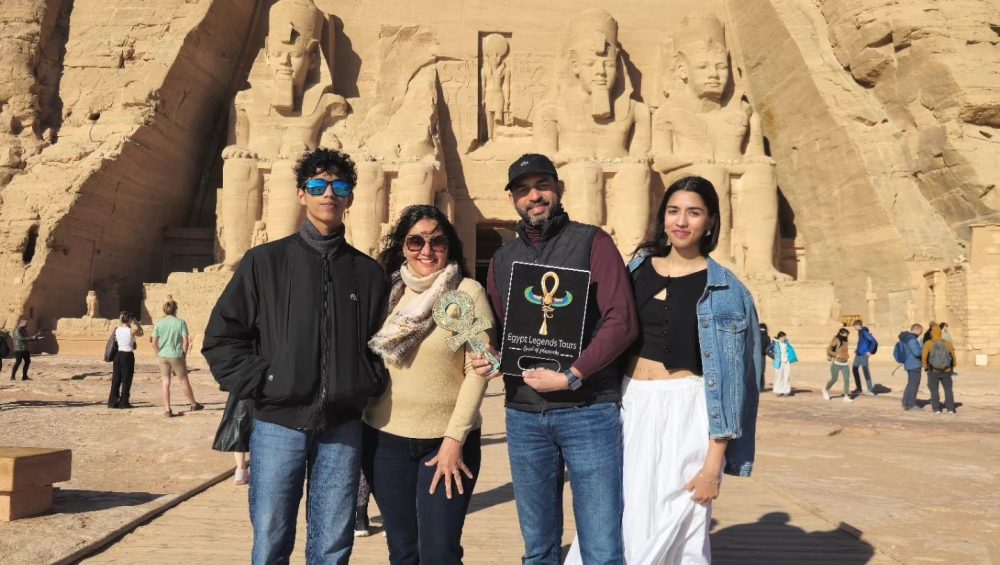
Abu Simble, Aswan

Staying Safe and Connected: Solo Traveler Essentials

  • Egypt Safety Tips:
    • Stay Hydrated: The Egyptian sun can be intense. Drink plenty of water.
    • Inform Someone of Your Itinerary: Share your plans with a trusted friend or family member back home.
    • Be Aware of Scams: Like any popular tourist destination, be vigilant about common tourist scams. A firm “no thank you” is often enough.
    • Respect Local Customs: Dressing modestly, especially for women, and respecting local traditions will contribute to a more positive experience.
  • Staying Connected: Purchase a local SIM card upon arrival for easy access to maps, ride-sharing apps, and communication. Wi-Fi is generally available in hotels and many cafes.

Best Places to Visit in Egypt for Solo Travelers:

  • Cairo for Solo Travelers: Discover the Pyramids of Giza, the Egyptian Museum, and Khan el-Khalili bazaar. Consider hiring a licensed guide for your first few days to get acquainted with the city.
  • Luxor for Solo Travelers: Discover the Valley of the Kings, Karnak Temple, and Luxor Temple. The city is relatively easy to navigate on your own.
  • Aswan for Solo Travelers: Enjoy a felucca ride on the Nile, visit the Philae Temple, and explore the Unfinished Obelisk. Aswan offers a more relaxed pace.
  • Dahab Solo Travel: For those seeking a more laid-back vibe and incredible diving/snorkeling opportunities, Dahab on the Red Sea coast is a fantastic choice, especially popular with solo backpackers.
  • Alexandria Solo Travel: Discover the Library of Alexandria, the Catacombs of Kom El Shoqafa, and the Citadel of Qaitbay.
Step Pyramid, Saqqara

Making the Most of Your Solo Trip to Egypt:

  • Join Group Tours for Solo Travelers: While traveling solo, consider joining day tours or small group excursions for specific activities. This is a great way to meet other travelers and benefit from local expertise.
  • Learn Basic Arabic Phrases: Even a few words like “shukran” (thank you) or “salam alaikum” (hello/peace be upon you) will be appreciated by locals.
  • Embrace the Experience: Be open to new experiences, try local food, and engage with the friendly Egyptian people.
  • Solo travel to Egypt is an enriching and empowering experience. By following these Egypt solo travel tips, you’ll be well-prepared to uncover the mysteries of this incredible country and create memories that will last a lifetime.
  • So, pack your bags, embrace the adventure, and get ready to be captivated by Egypt!

From Dream to Reality: How to Plan Your Ultimate Egypt Legends Tours Winter 2025

From Dream to Reality: How to Plan Your Ultimate Egypt Legend Tour Winter 2025

The allure of Egypt is timeless. For centuries, the land of pharaohs has captivated imaginations, beckoning travelers with its monumental history, vibrant culture, and unparalleled sense of adventure. If your dream is to walk among the Pyramids of Giza, sail the majestic Nile River, or uncover the secrets of ancient temples, 2025 is the perfect year to turn that dream into an unforgettable reality.

At Egypt Legends Tours, we specialize in transforming aspirations into meticulously crafted Egyptian adventures. Here’s your professional guide to planning your ultimate Egypt tour for 2025, ensuring every moment is steeped in wonder and discovery.

Step 1: Define Your Egyptian Dream

Before diving into dates and destinations, ask yourself: What kind of Egypt travel experience are you truly seeking?

  • History Buff? Focus on comprehensive itineraries covering Cairo (Egyptian Museum, Pyramids), Luxor (Karnak, Valley of the Kings), and Aswan (Abu Simbel).
  • Adventure Seeker? Consider adding a desert safari to the White Desert, exploring the Red Sea’s vibrant marine life, or even hot-air ballooning over Luxor.
  • Relaxation & Culture? A leisurely Nile cruise combined with authentic local experiences, cooking classes, or traditional craft workshops might be ideal.
  • Family Journey? Look for activities suitable for all ages, interactive experiences, and perhaps less strenuous schedules.

Defining your core interest will help shape the entire travel planning Egypt process.

Step 2: Choose Your Optimal Travel Time in 2025

Egypt offers diverse experiences depending on the season:

  • October to April (Peak Season): This is the most popular time due to cooler, more comfortable temperatures, perfect for extensive sightseeing. Expect more crowds and higher prices. Ideal for Nile cruises and exploring archaeological sites.
  • May, June, September (Shoulder Season): Still warm, but fewer crowds and potentially better deals. Mornings and evenings are pleasant, but midday sun can be intense. Great for combining cultural tours with Red Sea relaxation.
  • July & August (Low Season): Very hot, but also the quietest. If you can handle the heat, you’ll have sites almost to yourself and find the best prices. Air-conditioned transport and hotels are essential.
Giza Pyramids, Giza

Step 3: Crafting Your Ultimate Egypt Itinerary

Once you have a general idea, it’s time to build your itinerary. A typical Egypt vacation might include:

  • Cairo (3-4 days): Pyramids of Giza, Sphinx, Egyptian Museum (Grand Egyptian Museum is opening in stages), Khan el-Khalili Bazaar.
  • Nile Cruise (3-4 nights): From Luxor to Aswan (or vice versa), visiting Karnak Temple, Luxor Temple, Valley of the Kings, Hatshepsut Temple, Philae Temple, and the High Dam.
  • Aswan (1-2 days): Optional day trip to Abu Simbel, felucca ride, Nubian Village visit.
  • Red Sea (2-3 days): Hurghada or Sharm El Sheikh for diving, snorkeling, or beach relaxation.
  • Western Desert (2-3 days): For a unique desert safari experience to the White Desert or Siwa Oasis.

Step 4: Budgeting & Essential Logistics

  • Flights: Book international flights well in advance for the best rates, especially for 2025 peak season.
  • Visa: Most nationalities require a visa, which can often be obtained upon arrival or online as an e-visa. Check current requirements for Egypt travel closer to your departure.
  • Accommodation: From luxury hotels to boutique guesthouses and traditional dahabiyas on the Nile.
  • Currency: The Egyptian Pound (EGP). Credit cards are widely accepted in major tourist areas.
  • Travel Insurance: Non-negotiable for peace of mind.

Step 5: Partner with the Right Experts: Egypt Legends Tours

This is where your dream truly solidifies. While independent travel planning Egypt is possible, the complexity of logistics, cultural nuances, and the desire for deep historical understanding make an expert partner invaluable.

At Egypt Legends Tours, we transform the daunting task of planning into a seamless, enriching experience:

  • Customized Egypt Tour Design: We listen to your dream and craft a personalized itinerary that aligns with your interests, pace, and budget. Whether it’s a grand tour of all the highlights or a niche archaeological deep-dive, we design your ultimate Egypt tour.
  • Expert Egyptologist Guides: Our guides are not just escorts; they are passionate, certified Egyptologists who bring the ancient world to life, sharing insights and stories you won’t find in any guidebook.
  • Seamless Logistics & Comfort: From airport transfers and comfortable transportation to hand-picked accommodations and expertly managed schedules, we handle every detail so you can relax and immerse yourself fully.
  • Authentic Experiences: Beyond the main attractions, we offer opportunities to connect with local culture, savor authentic cuisine, and discover the true heart of Egypt.
  • Safety & Support: Your safety and comfort are our top priorities. We adhere to the highest standards and provide 24/7 support throughout your journey.
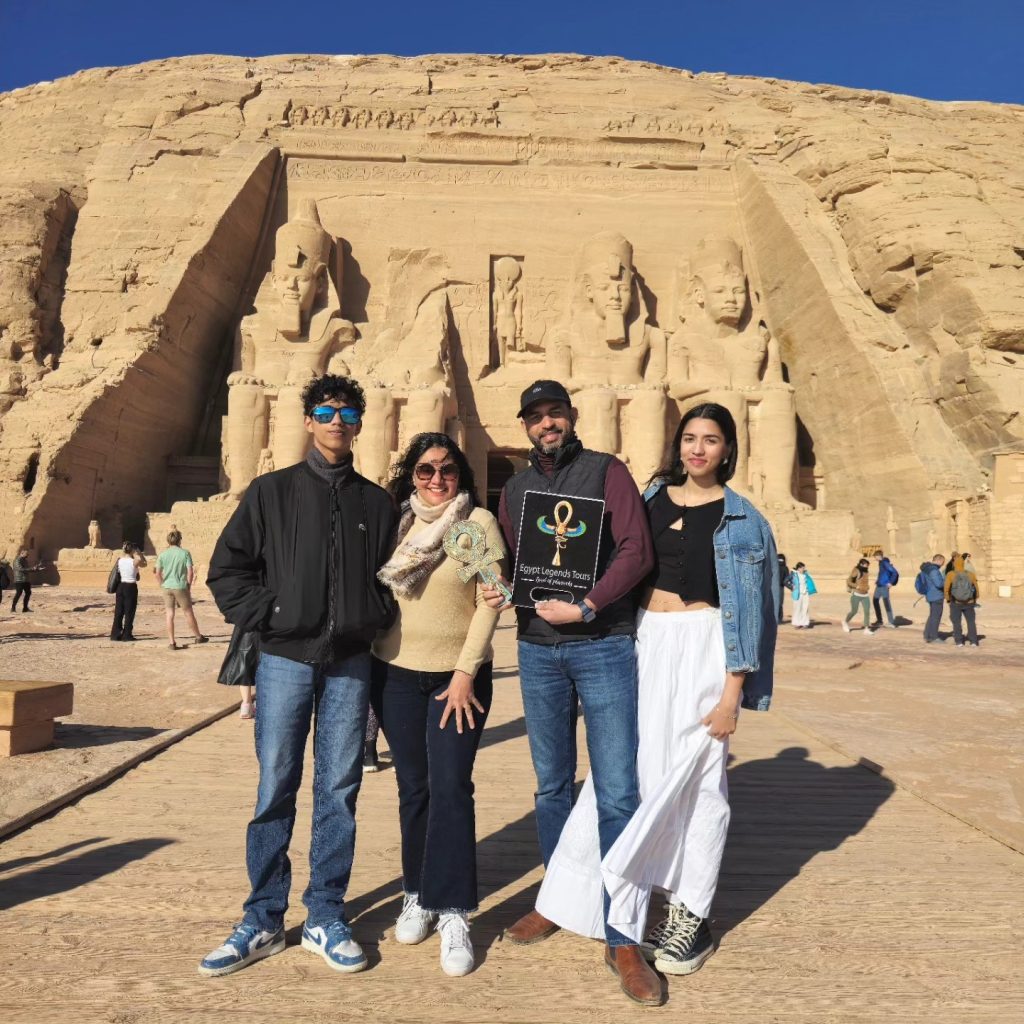
Abu Simble Temple, Aswan

Turn Your Winter 2025 Egypt Dream into a Legendary Reality!

Don’t let the details overwhelm your dream. With thoughtful planning and the right partner, your ultimate Egypt adventure in Winter 2025 is closer than you think. Contact Egypt Legends Tours today, and let us help you plan Egypt trip from imagination to an unforgettable experience of a lifetime.

Alexandria Echoes of Cleopatra and a Mediterranean Soul

Stepping into Alexandria, Egypt’s second-largest city, is like entering a different chapter of Egyptian history. Unlike the pharaonic grandeur of Luxor or the Islamic splendor of Cairo, Alexandria whispers tales of Hellenistic queens, Roman emperors, and a vibrant cosmopolitan past. Known affectionately as the “Bride of the Mediterranean,” Alexandria offers a unique blend of ancient heritage, a refreshing sea breeze, and a distinctly European charm.

For travelers seeking a different side of Egypt, one rich with Greco-Roman history, intellectual legacy, and a relaxed coastal vibe, Alexandria is an indispensable part of your journey.

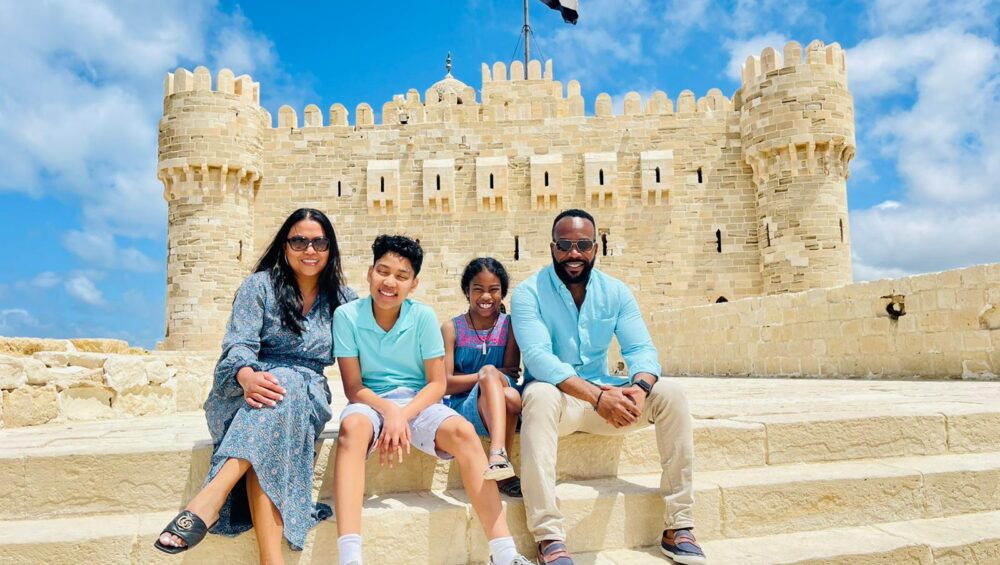
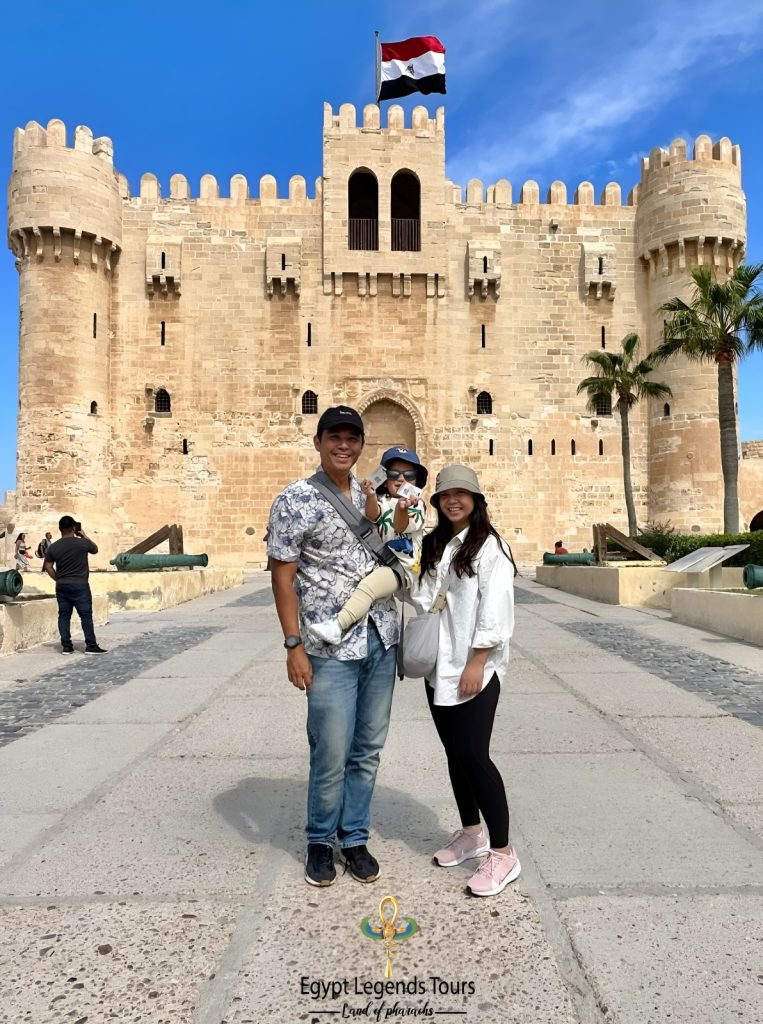
Qaitbay (Citadel of Qaitbay)

A Legacy of Brilliance: Ancient Wonders and Modern Marvels

Founded by Alexander the Great in 331 BCE, Alexandria quickly rose to prominence as a beacon of learning and culture in the ancient world. It was home to the legendary Library of Alexandria and the towering Pharos Lighthouse, one of the Seven Wonders of the Ancient World. While these colossal structures are now lost to history, their spirit lives on in the city’s modern attractions and archaeological sites.

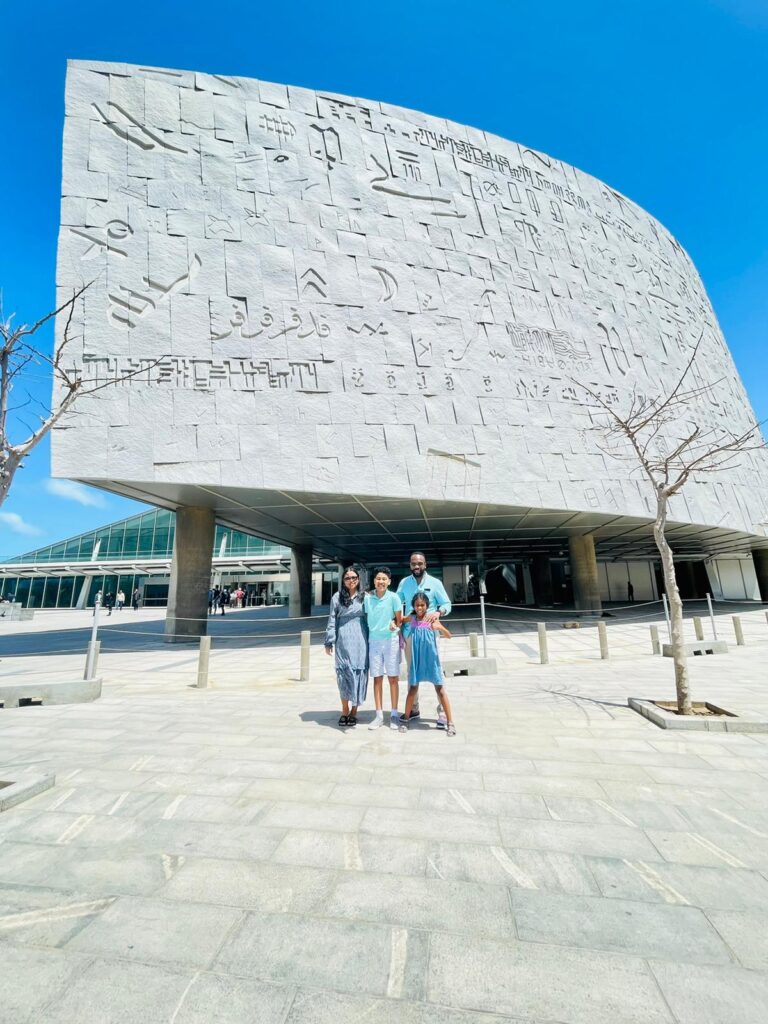
Bibliotheca Alexandrina (The New Library of Alexandria): A magnificent architectural marvel, the Bibliotheca Alexandrina stands as a modern homage to its ancient predecessor. This colossal cultural complex is far more than just a library; it houses museums, art galleries, a planetarium, and various research centers, making it a vibrant hub of knowledge and a powerful symbol of Alexandria’s intellectual revival.

Fort Qaitbay (Citadel of Qaitbay): Standing proudly on the site of the ancient Pharos Lighthouse, Fort Qaitbay is a 15th-century Mamluk fortress. Exploring its ramparts offers stunning panoramic views of the Mediterranean Sea and provides a glimpse into Alexandria’s maritime defense history. You can almost feel the echoes of ancient mariners navigating these famous waters.

Catacombs of Kom el-Shuqqafa: Descend into the fascinating Catacombs of Kom el-Shuqqafa, a sprawling underground necropolis dating back to the 2nd century AD. This unique funerary site beautifully blends ancient Egyptian, Greek, and Roman artistic styles, showcasing the multiculturalism of ancient Alexandria. Elaborate tombs, statues, and intricate reliefs tell stories of a city where diverse cultures intertwined.

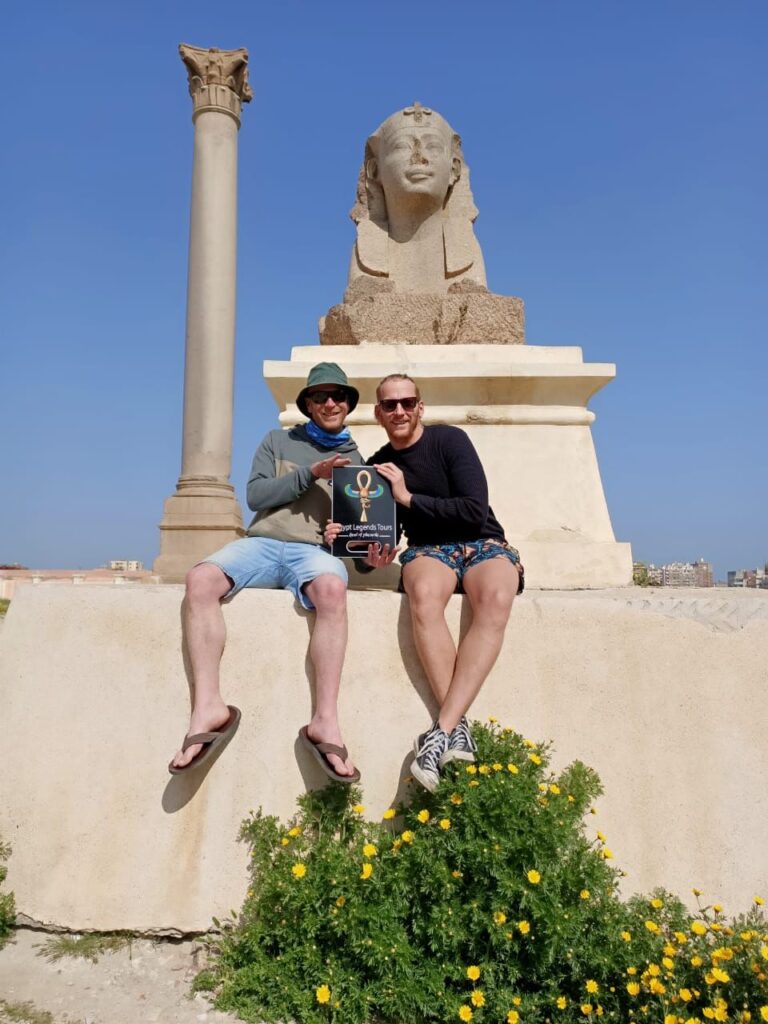
Pompey’s Pillar & Serapeum: This towering Roman column, standing at an impressive 27 meters, dominates the ruins of the ancient Serapeum temple complex. Erected in honor of Emperor Diocletian, the pillar is a monumental remnant of Alexandria’s Roman era and offers a glimpse into a once-grand temple dedicated to the god Serapis.

Roman Amphitheatre (Kom el-Dikka): Discovered by chance in the 1960s, the Roman Amphitheatre at Kom el-Dikka is a well-preserved testament to Roman entertainment and urban planning in Alexandria. Its marble seating tiers and mosaic floors provide a direct connection to the daily life of the city’s ancient inhabitants.

Pompey’s Pillar & Serapeum

A Coastal Vibe: Modern Charms and Relaxation

Beyond its profound historical layers, Alexandria offers a delightful Mediterranean ambiance perfect for relaxation and enjoying the sea.

Alexandria Corniche: Take a leisurely stroll along the picturesque Alexandria Corniche, the city’s iconic waterfront promenade. Lined with palm trees, historic buildings, and charming cafes, it’s the perfect place to enjoy the sea breeze, watch the fishing boats, and soak in the vibrant atmosphere.

Montazah Palace Gardens: Discover the sprawling Montazah Palace Gardens, once the summer residence of Egypt’s royal family. These lush, beautifully landscaped gardens offer a serene escape, complete with walking paths, scenic views of the palace (now a public museum), and access to tranquil beaches.

Royal Jewelry Museum: Housed in a stunning former palace, the Royal Jewelry Museum showcases an opulent collection of jewelry, ornaments, and decorative arts belonging to Egypt’s royal family from the 19th and 20th centuries. It’s a dazzling display of wealth and craftsmanship.

Local Cuisine: Indulge in Alexandria’s renowned seafood, influenced by its Mediterranean heritage. Fresh fish and local specialties are a highlight of the city’s culinary scene.

Bibliotheca Alexandrina (The New Library of Alexandria)

Planning Your Alexandria Experience:

Best Time to Visit: The cooler months from March to June (Spring) and September to November (Autumn) offer the most pleasant weather for exploring Alexandria’s outdoor sites, avoiding the intense summer heat.

Transportation: Alexandria is easily accessible from Cairo by train or private car (approximately 2.5-3 hours drive). Many travelers opt for a day trip to Alexandria from Cairo, though an overnight stay allows for a more relaxed exploration.

Alexandria is a city that defies easy categorization. It’s where the echoes of ancient scholars mingle with the sounds of the Mediterranean, and where the layers of Egyptian, Greek, Roman, and modern history are palpable at every turn. It offers a unique and enriching perspective on Egypt’s diverse heritage.

Discover the timeless allure of the “Bride of the Mediterranean” – plan your unforgettable trip to Alexandria today!

Aswan Egypt’s Serene Gateway to the South

Nestled on the banks of the majestic Nile River, approximately 850 kilometers south of Cairo, lies Aswan, a city that exudes tranquility, natural beauty, and a captivating blend of ancient history and vibrant local culture. Often referred to as Egypt’s most beautiful city, Aswan offers a refreshing change of pace from the bustling metropolises of Luxor and Cairo, inviting visitors to slow down, soak in the stunning landscapes, and explore its unique historical treasures.

For anyone planning an Egypt tour or Nile River cruise, Aswan is an essential and unforgettable stop, serving as a gateway to both magnificent ancient sites and the serene rhythms of Nubian life.

River Nile , Aswam

The Charm of Aswan: Beyond the Monuments

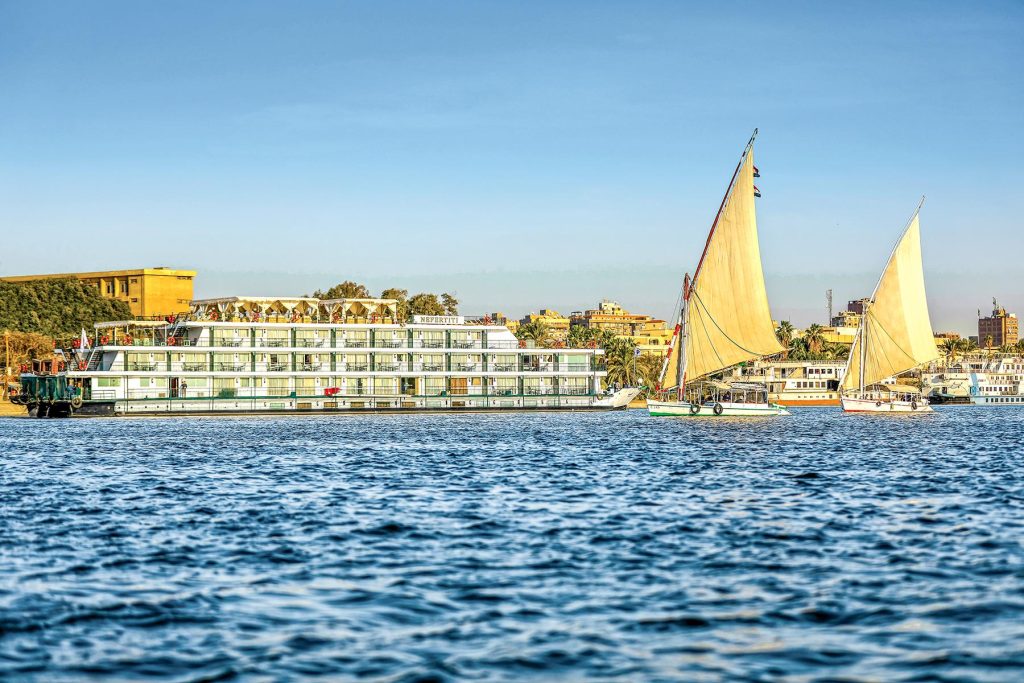
What sets Aswan apart is its unique ambiance. The Nile here flows gently, dotted with picturesque feluccas (traditional sailboats) and verdant islands. The air is often clearer, and the pace of life feels more relaxed. This southern city has a distinct Nubian character, evident in its colorful villages, warm hospitality, and vibrant local markets.

Must-See Historical and Cultural Sites in Aswan:

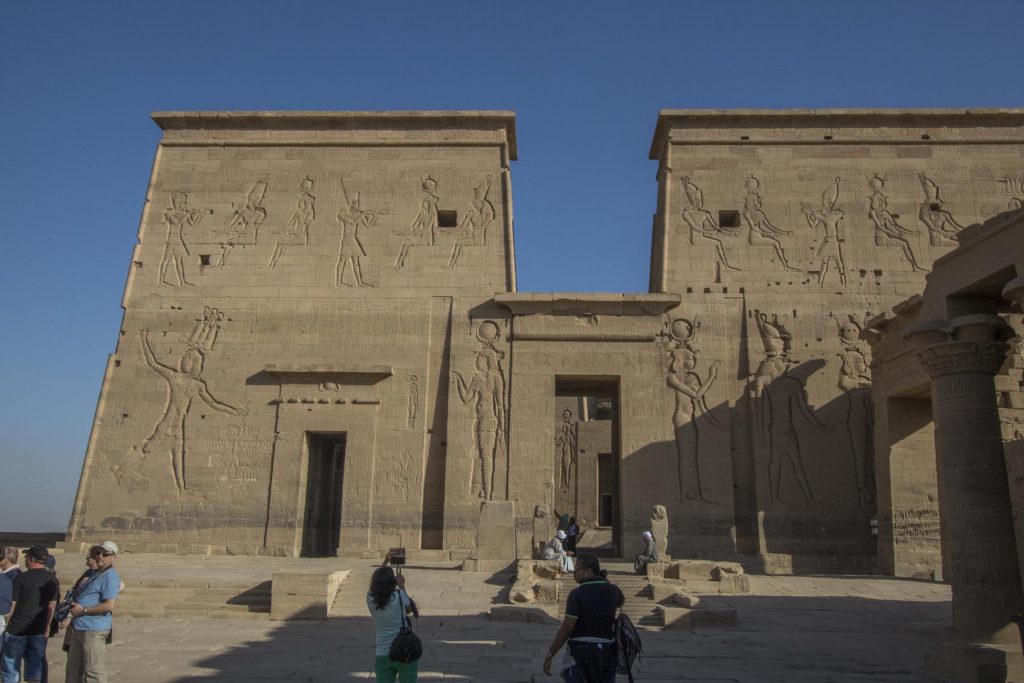
Philae Temple (Temple of Isis): A true gem relocated to Agilkia Island to save it from the rising waters of the Aswan High Dam, Philae Temple is dedicated to the goddess Isis. Accessible by a short boat ride, its stunning pylons, courtyards, and sanctuaries are beautifully preserved and offer a magical experience, especially when illuminated at night during a sound and light show. It’s a testament to both ancient devotion and modern engineering.

Aswan High Dam: A monumental feat of modern engineering, the Aswan High Dam was completed in 1970 and plays a crucial role in controlling the Nile’s annual floods, generating electricity, and increasing agricultural land. Visiting the dam offers panoramic views of Lake Nasser, the world’s largest artificial lake, and provides insight into contemporary Egyptian development.

The Unfinished Obelisk: Located in the ancient granite quarries of Aswan, the Unfinished Obelisk offers a fascinating glimpse into the incredible stone-working techniques of the ancient Egyptians. Had it been completed, it would have been the largest ancient obelisk ever, standing over 40 meters tall. The site reveals the precise methods used to quarry and carve these massive monuments, along with the cracks that ultimately led to its abandonment.

Philia Temple , Aswan

Aswan Botanical Garden (Kitchener’s Island): A peaceful oasis in the middle of the Nile, Aswan Botanical Garden is a lush haven of exotic plants and trees collected from around the world. A relaxing felucca ride to the island and a leisurely stroll through its shaded pathways offer a delightful escape from the sun and a chance to enjoy nature’s beauty.

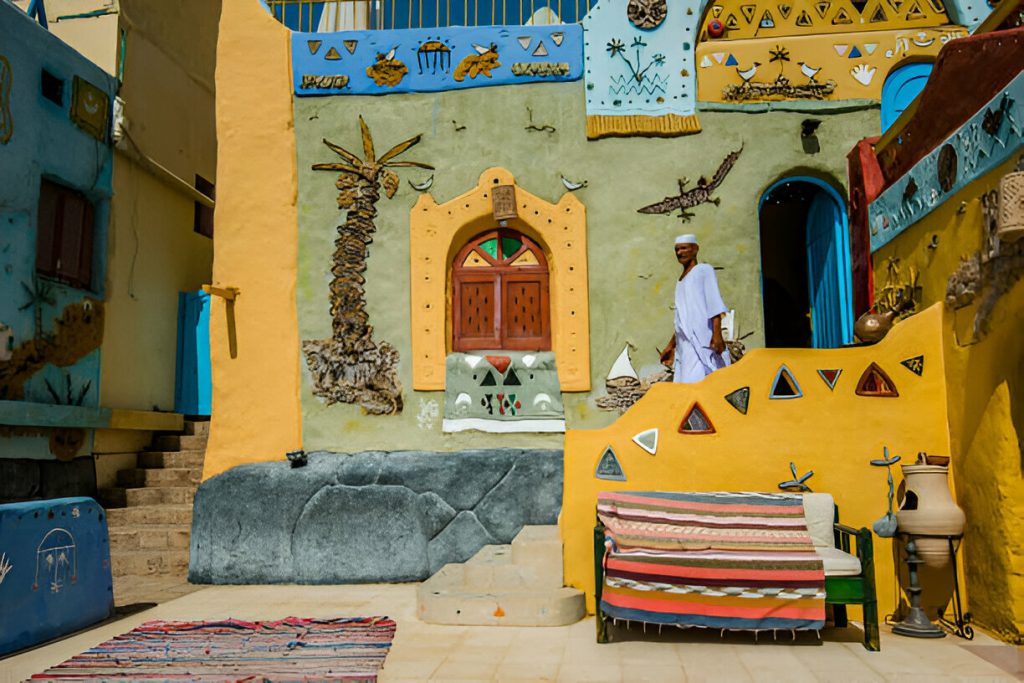
Nubian Village: For a taste of local culture, a visit to a Nubian Village on Elephantine Island or the West Bank is a highly recommended experience. Known for their brightly painted homes, friendly inhabitants, and unique customs, these villages offer a glimpse into the rich heritage of the Nubian people. You can enjoy traditional hospitality, explore local crafts, and perhaps even get a henna tattoo.

Nubian Valley , Aswan

Elephantine Island: One of the largest islands in the Nile at Aswan, Elephantine Island is home to ancient ruins, including the Temple of Khnum, Nilometers (ancient devices for measuring the Nile’s flood levels), and charming Nubian villages. It’s a fantastic spot for a leisurely walk and offers historical depth.

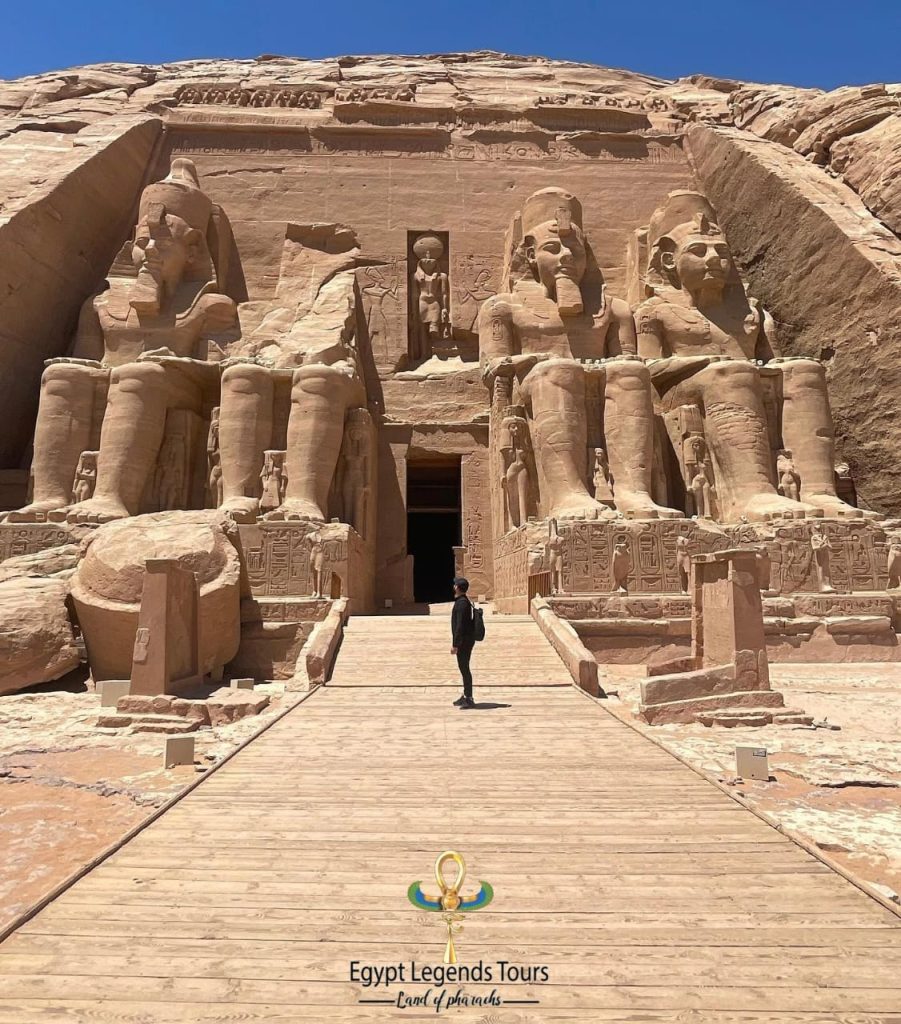
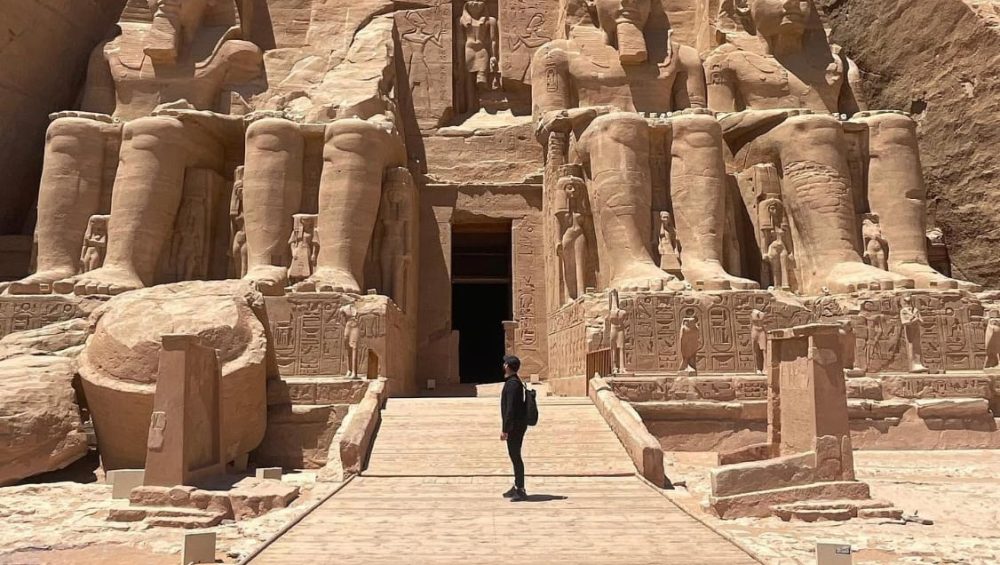
Abu Simbel (Optional Day Trip): While a bit further afield, many Aswan itineraries include a day trip to the magnificent Abu Simbel Temples. Relocated in a monumental UNESCO-led effort to save them from the dam’s waters, these two massive rock-cut temples of Ramses II and Nefertari are among Egypt’s most awe-inspiring sights, particularly their colossal facades.

Abu Simble Temple

Experiencing Aswan:

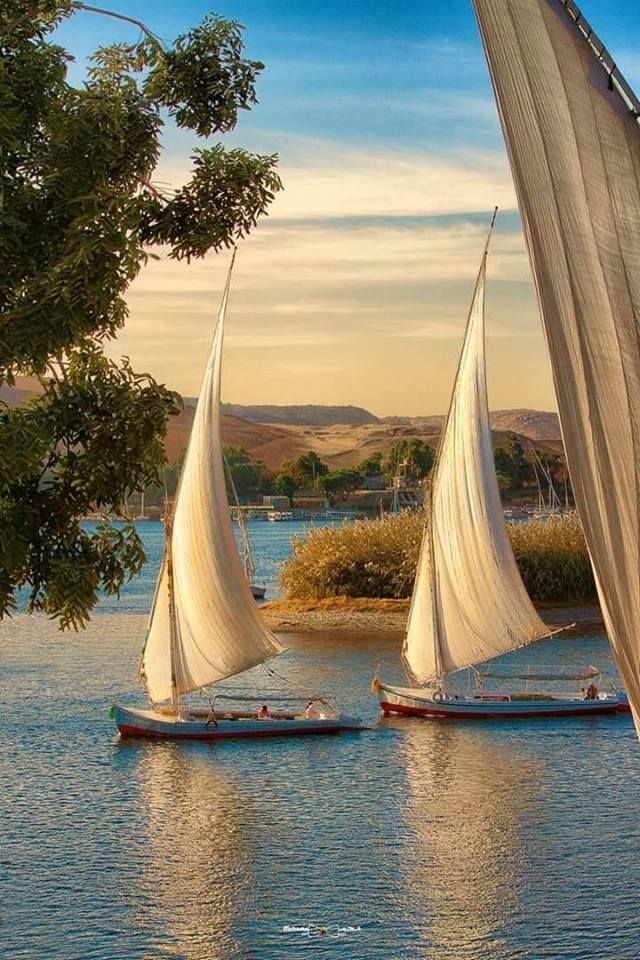
Felucca Sailing: Glide silently along the Nile on a traditional felucca, enjoying the gentle breeze and picturesque scenery. It’s the quintessential Aswan experience.

Nile River Cruises: Aswan is a popular starting or ending point for Nile River cruises between Luxor and Aswan, offering a luxurious way to see the ancient sites along the river.

Shopping at the Souq: Discover Aswan’s lively souq, known for its spices, perfumes, traditional Nubian crafts, and textiles. It’s a great place to find unique souvenirs.

Aswan offers a perfect blend of ancient wonders, serene landscapes, and authentic cultural experiences. It’s a city where you can truly connect with the timeless spirit of the Nile, making it an indispensable part of any trip to Egypt.

Felucca in Aswan

Embrace the tranquility and discover the charm of Aswan – your journey to Egypt’s south awaits!

Luxor The World’s Greatest Open-Air Museum

Often hailed as the “world’s greatest open-air museum,” Luxor is not just a city in modern-day Egypt; it is the breathtaking site of ancient Thebes, the capital of the New Kingdom pharaohs. Standing proudly on the banks of the mighty Nile River, Luxor is a living testament to the grandeur, artistry, and religious devotion of one of history’s most powerful civilizations. For anyone seeking to delve deep into ancient Egyptian history and archaeology, Luxor is an absolute, unmissable destination.

The East Bank: Temples of Gods and Kings

The East Bank of Luxor, where the modern city thrives, is dominated by two colossal temple complexes that once formed the spiritual heart of ancient Thebes.

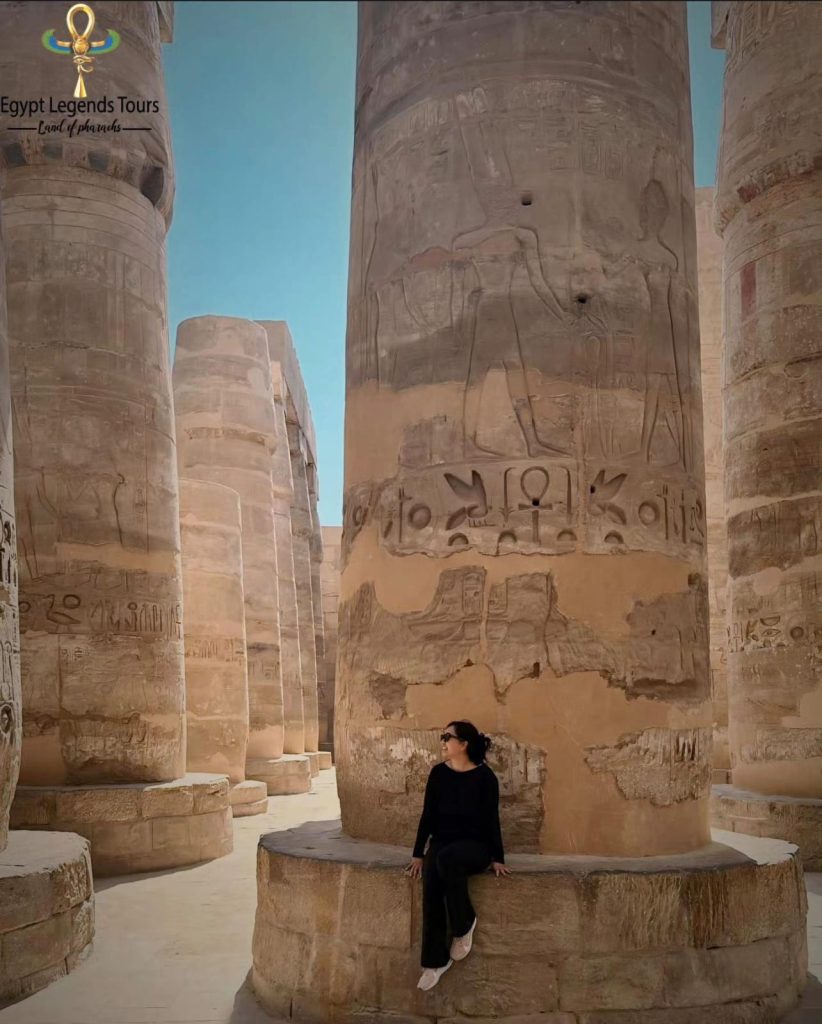
Karnak Temple Complex: This is not just a temple; it’s a sprawling city of temples, chapels, pylons, and obelisks built over two millennia. As the largest religious site ever constructed, Karnak is dedicated primarily to the god Amun-Ra. Walking through its awe-inspiring Hypostyle Hall, with its 134 massive columns reaching towards the sky, feels like stepping into a sacred forest of stone. Every pharaoh wanted to leave their mark here, making it a chronological record of their devotion and power.

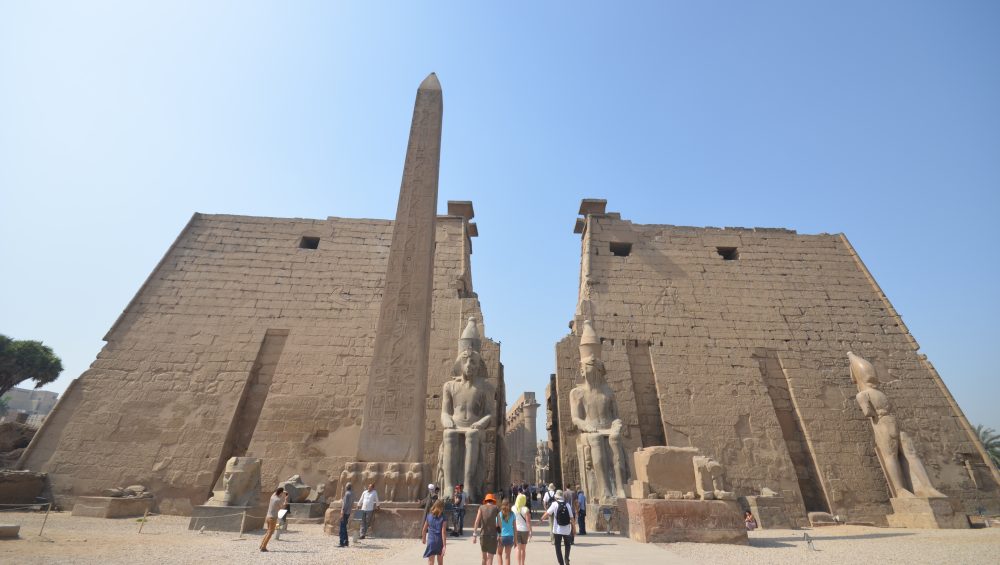
Luxor Temple: Located closer to the city center and beautifully illuminated at night, Luxor Temple is a graceful and elegant sanctuary dedicated to the rejuvenation of kingship. Built largely by Amenhotep III and Ramses II, it was the focal point of the annual Opet Festival, celebrating the fertility of the Nile and the bond between the pharaoh and the gods. The Avenue of Sphinxes, now largely re-excavated and connecting Luxor Temple to Karnak, offers a glimpse into the grand processional routes of antiquity.

Karnak Temple , Luxor

The West Bank: The City of the Dead

Across the Nile, the West Bank of Luxor is often referred to as the “City of the Dead.” This arid, dramatic landscape served as the royal necropolis for the New Kingdom pharaohs and nobles, where elaborate tombs were carved deep into the desert cliffs, designed to protect the journey to the afterlife.

Valley of the Kings: The most famous burial site in Egypt, the Valley of the Kings is the final resting place for many of Egypt’s most celebrated pharaohs, including the legendary Tutankhamun, Seti I, and Ramses II. Descending into these meticulously decorated tombs, adorned with vibrant hieroglyphs and intricate scenes from the Book of the Dead, is an unforgettable experience. Each tomb offers a unique artistic and historical narrative.

Temple of Hatshepsut (Deir el-Bahari): Dedicated to one of ancient Egypt’s most successful female pharaohs, the Mortuary Temple of Hatshepsut is a striking, multi-terraced structure carved into the limestone cliffs. Its unique design and impressive scale make it a marvel of ancient architecture and a testament to her powerful reign.

Valley of the Queens: The burial ground for the wives and children of the pharaohs, the Valley of the Queens holds some exceptionally beautiful tombs, most notably the richly decorated Tomb of Nefertari, often considered one of the most stunning tombs in Egypt.

Colossi of Memnon: These two massive stone statues of Pharaoh Amenhotep III stand majestically in the fields, silent guardians of what was once his magnificent mortuary temple. They offer an imposing first impression of the West Bank’s monumental scale.

Medinet Habu (Mortuary Temple of Ramses III): Often overlooked but incredibly well-preserved, Medinet Habu is a fortified temple complex adorned with vivid reliefs depicting Ramses III’s military victories and religious festivals. Its colors and details are remarkably intact, offering a vibrant look into New Kingdom art.

Memnon Statue, Luxor

Beyond the Grand Sights:

Luxor Museum: A beautifully curated museum housing a select collection of masterworks discovered in and around Thebes, providing excellent context for the sites you’ll visit.

Mummification Museum: Offers fascinating insights into the ancient Egyptian art and science of mummification.
Nile River Felucca Ride: Experience the tranquility of the Nile on a traditional sailboat, providing stunning views of the East and West Banks, especially at sunset.

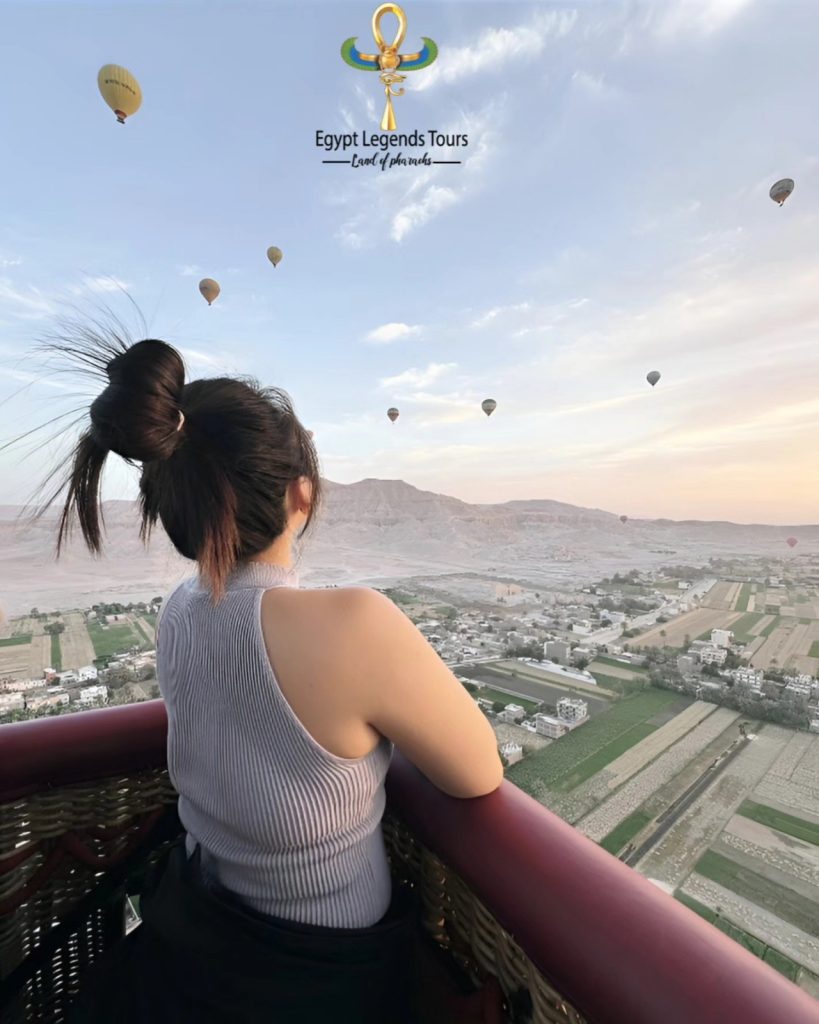
Hot Air Balloon Ride: For an unforgettable panoramic view, a hot air balloon ride at sunrise over the West Bank offers a breathtaking perspective of the temples, valleys, and the vast desert landscape.

Hot Air Balloon , Luxor

Planning Your Luxor Adventure:

  • Best Time to Visit: The cooler months from October to April are ideal for exploring Luxor, with pleasant temperatures.
  • Comfortable Attire: Dress modestly and wear comfortable walking shoes, a hat, and sunscreen.
  • Stay Hydrated: Always carry plenty of water.

Luxor is more than just a destination; it’s an immersive journey into the heart of ancient Egyptian civilization. Every temple, every tomb, every relief tells a story of pharaohs, gods, and a people’s unwavering belief in the eternal. Prepare to be awestruck.
Unearth the mysteries of ancient Thebes – plan your unforgettable trip to Luxor, Egypt today!

Siwa Oasis Egypt’s Mystical Desert Paradise

Nestled deep within Egypt’s Western Desert, close to the Libyan border, lies Siwa Oasis – a secluded, enchanting world unlike anywhere else in Egypt. Far from the bustling metropolises and ancient monuments of the Nile Valley, Siwa offers a unique blend of breathtaking natural beauty, a distinct Berber culture, and a history steeped in ancient prophecy and legend.

For the adventurous traveler seeking an off-the-beaten-path Egypt experience, eco-tourism, and a truly immersive cultural journey, Siwa Oasis is an absolute must-visit.

A Sanctuary of Serenity and Natural Wonders

Siwa’s isolation has preserved its pristine environment and created a landscape of mesmerizing contrasts.

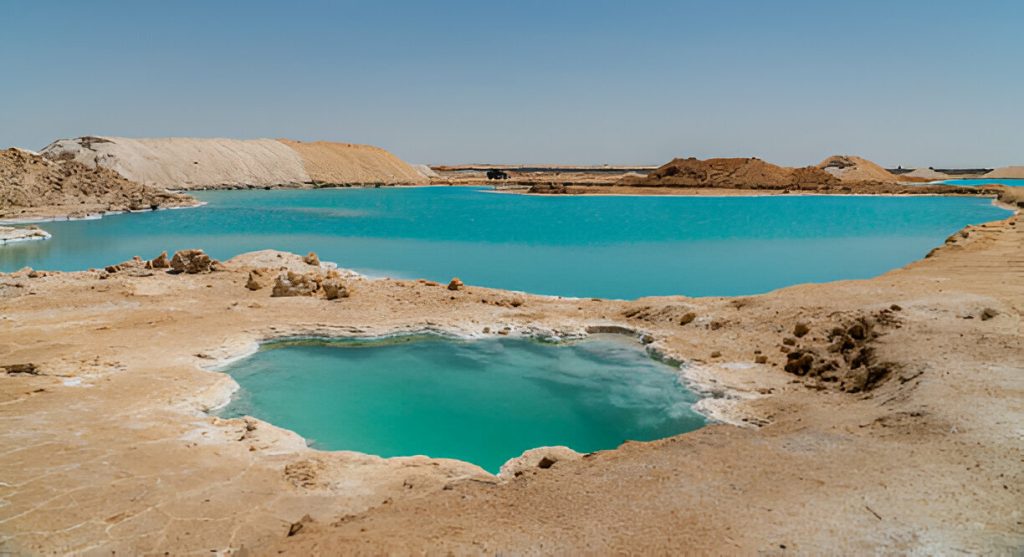
Salt Lakes: Perhaps the most iconic feature of Siwa are its dazzling salt lakes. With a salt concentration so high that you effortlessly float (much like the Dead Sea), these emerald-green to sapphire-blue pools are not only incredibly therapeutic but also offer surreal photographic opportunities against the backdrop of the desert. The sensation of buoyancy is unforgettable!

Cleopatra’s Spring (Ain Juba): A natural spring believed to have been a bathing spot for Queen Cleopatra herself, this cool, refreshing spring is a popular place for a dip, surrounded by lush palm groves. It’s a perfect spot to relax and unwind after a day of exploration.
Gebel Dakrour (Healing Mountain): This mountain is famous for its unique tradition of sand bathing. During the hottest months, locals and visitors alike bury themselves in the hot sand, believed to have therapeutic properties for various ailments, particularly rheumatism.

The Great Sand Sea: Siwa is bordered by the vast and dramatic Great Sand Sea, an expanse of towering sand dunes. This provides the perfect playground for thrilling desert safaris, sandboarding, and stargazing under an incredibly clear desert sky.

Siwa

A Living History: Ancient Legends and Unique Culture

Siwa’s history is as captivating as its landscapes, shaped by its isolation and its pivotal role in antiquity.

The Oracle of Amun (Temple of the Oracle): Siwa is most famously known as the home of the ancient Oracle of Amun, which gained renown after Alexander the Great famously consulted it in 331 BC to confirm his divine parentage and right to rule Egypt. Although largely in ruins today, the site carries an undeniable aura of mystery and historical significance. Exploring the remnants offers a tangible link to one of history’s most powerful figures.

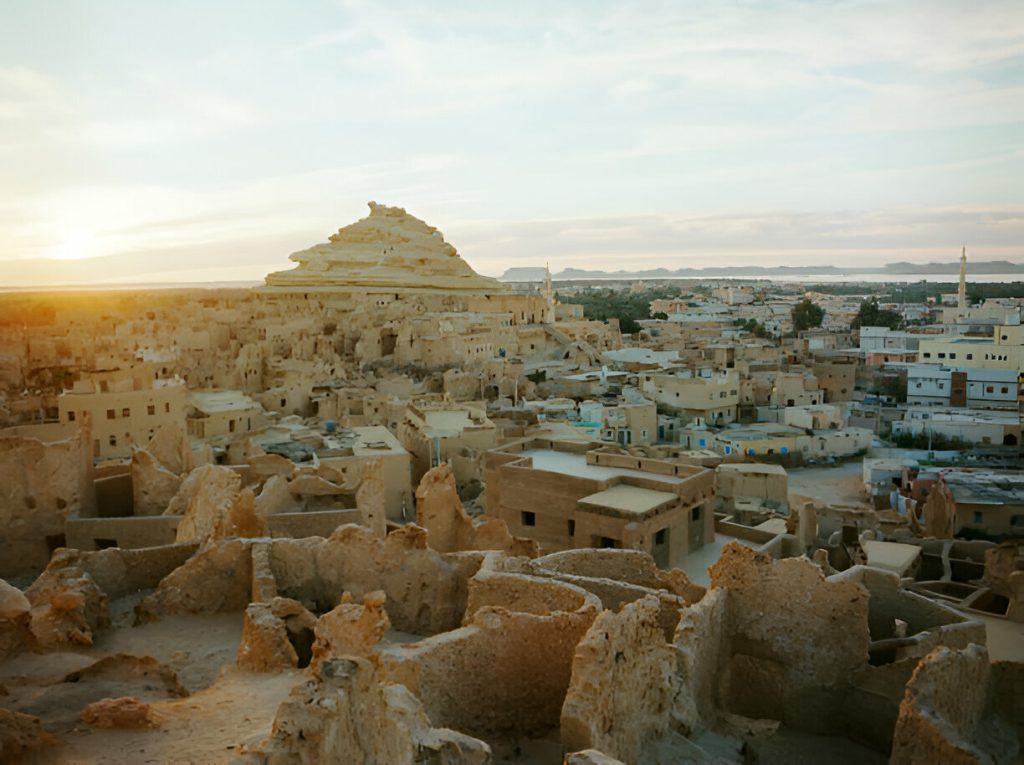
Shali Fortress: Dominating the center of Siwa town are the dramatic mud-brick ruins of the Shali Fortress. Built in the 13th century from “kershif” (a unique mix of salt rock and mud), this ancient stronghold once housed the entire Siwan population, protecting them from desert raids. Climbing its crumbling walls offers panoramic views of the oasis.

Gebel al-Mawta (Mountain of the Dead): Just north of Siwa town, this Roman-era necropolis is dotted with dozens of rock-cut tombs. While many are closed, some are open to visitors, including the Tomb of Si-Amun, known for its well-preserved, colorful frescoes.

Salt Lake Siwa

The Siwan Culture: A Berber Heart

Siwa’s unique identity stems from its predominant Berber (Amazigh) culture. The Siwans have their own distinct language (Siwi), customs, and traditions, largely preserved due to their long isolation.
Handicrafts: Siwan women are renowned for their intricate embroidery, particularly on traditional wedding dresses and silver jewelry. You’ll also find beautiful pottery, basketry made from palm fronds, and the iconic salt lamps carved from the local rock salt.

Architecture: The traditional architecture, utilizing the kershif mud-brick, gives Siwa its distinctive earthy charm. Many guesthouses and eco-lodges embrace this traditional style.

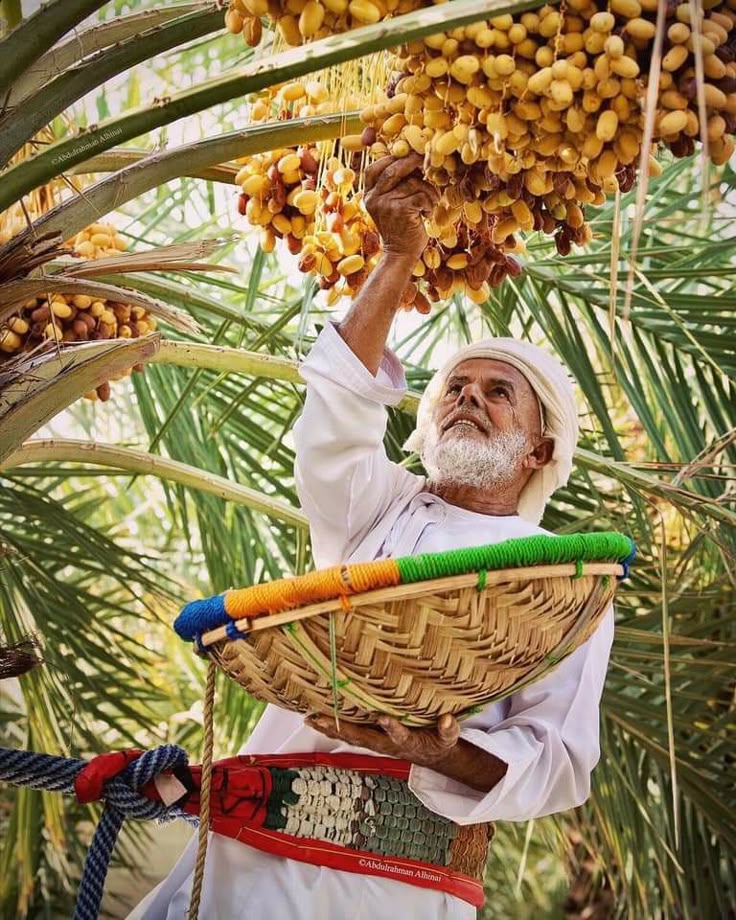
Dates and Olives: Siwa is famed for its abundant date palms and olive groves, which have sustained the oasis for millennia. Siwan dates and olive oil are highly prized throughout Egypt.

Man Cutting Dates From Palm Tress Siwa

Planning Your Siwa Oasis Adventure:

Best Time to Visit: The cooler months from October to April are ideal, as summer temperatures can be extremely hot. Consider visiting during the Siyaha Festival (usually in October), a vibrant annual celebration of Siwan traditions.

Getting There: Siwa is remote. The most common way to get there is by overnight bus from Cairo (approx. 8-10 hours) or by hiring a private car/driver. The journey itself is part of the adventure.

Accommodation: Siwa offers a range of unique accommodations, from charming eco-lodges built with traditional materials to more modern hotels.

Respectful Tourism: Remember that Siwa is a traditional community. Dress modestly, especially when away from resort areas, and be respectful of local customs.

Siwa Oasis is more than just a destination; it’s an escape to a timeless world, a journey that connects you with ancient mysteries, unparalleled natural beauty, and a rich, living culture. It’s an essential experience for anyone seeking a truly unforgettable and authentic Egypt travel adventure.

Unplug, explore, and discover the magic of Siwa Oasis – your desert paradise awaits!

Cairo’s City of the Dead: A Living Tapestry of History and Life

When people envision Cairo, images of bustling bazaars, ancient mosques, and the majestic Nile often come to mind. But just beyond the historic city walls, nestled beneath the Mokattam Hills, lies a truly unique and often misunderstood part of its fabric: the Cairo Necropolis, more famously known as the City of the Dead (Al-Qarafa). This vast, sprawling series of Islamic-era cemeteries is far more than just a burial ground; it’s a vibrant, living community, a testament to centuries of Egyptian history, culture, and resilience.

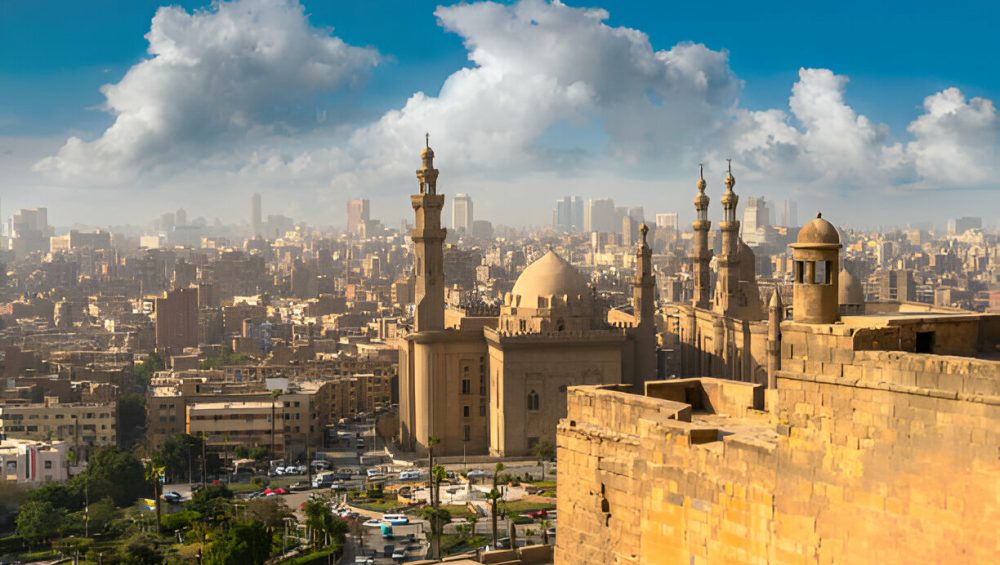
Old Islamic Cairo

More Than Just Tombs: A Unique Urban Landscape

Unlike the ancient Egyptian necropolises of Giza or Saqqara, which are primarily archaeological sites, the City of the Dead is a functioning cemetery where the living and the deceased coexist in an extraordinary way. For generations, due to housing shortages and economic realities, families have built homes within and around the elaborate mausoleums and tombs of their ancestors. This creates a fascinating blend of solemn remembrance and everyday life, where children play amidst historic monuments and families gather in the courtyards of their departed loved ones.

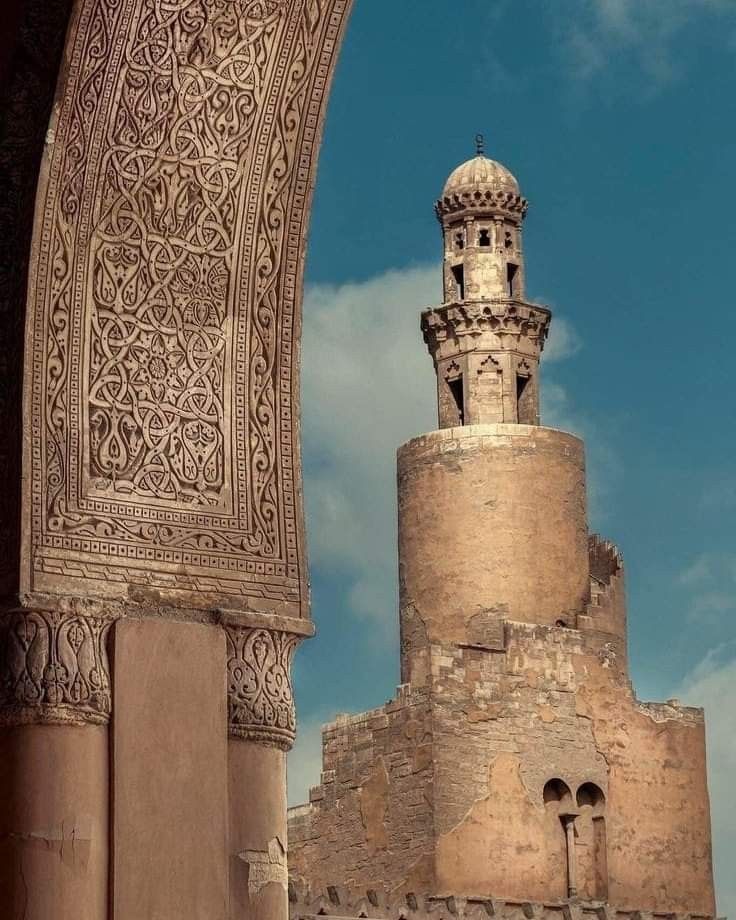
Ahmed Ibn Tolan Mosque

A Journey Through Islamic History

The Cairo Necropolis dates back to the 7th century, founded shortly after the Arab conquest of Egypt. Over more than a thousand years, it has continuously expanded, becoming the final resting place for countless Egyptians, from common citizens to revered scholars, influential rulers, and prominent figures of various Islamic dynasties. The necropolis is broadly divided into two main sections:

The Northern Cemetery: This area is particularly rich in Mamluk-era monuments, showcasing some of the most exquisite Islamic architecture in Cairo. You’ll find grand funerary complexes, mosques, and khanqahs (Sufi lodges) that reflect the artistic and religious fervor of the Mamluk sultans. Key highlights include:

The Funerary Complex of Sultan Qaytbay: A masterpiece of Mamluk architecture, renowned for its intricate dome, minaret, and beautiful carved stone work.

The Khanqah of Faraj ibn Barquq: Another magnificent Mamluk complex featuring two impressive domes.

Various mausoleums of Emirs and high-ranking officials, each telling a story through its design and inscriptions.

The Southern Cemetery: This older section of the necropolis dates back to the early Islamic period and holds immense religious significance. It contains the tombs of many revered figures, including descendants of the Prophet Muhammad and prominent Islamic scholars.

The Mausoleum of Imam al-Shafi’i: One of the most important landmarks, dedicated to the founder of the Shafi’i school of thought in Sunni Islam. Its impressive dome is a significant example of Ayyubid architecture.

Hosh al-Basha: The grand family mausoleum of Muhammad Ali Pasha and his dynasty, reflecting a later Ottoman and European influence in its design.
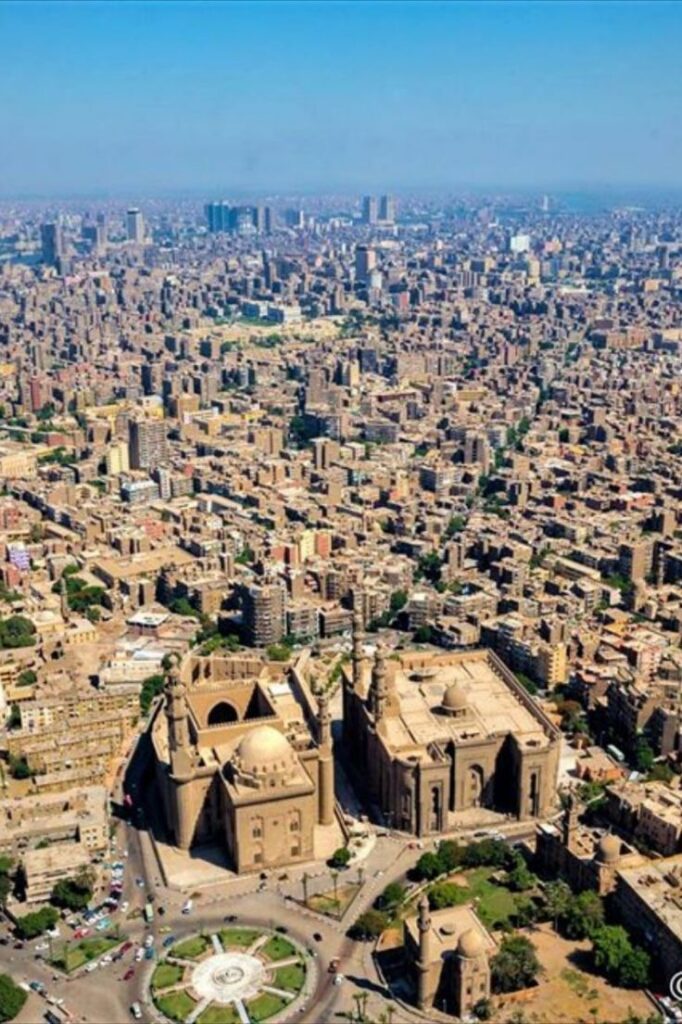
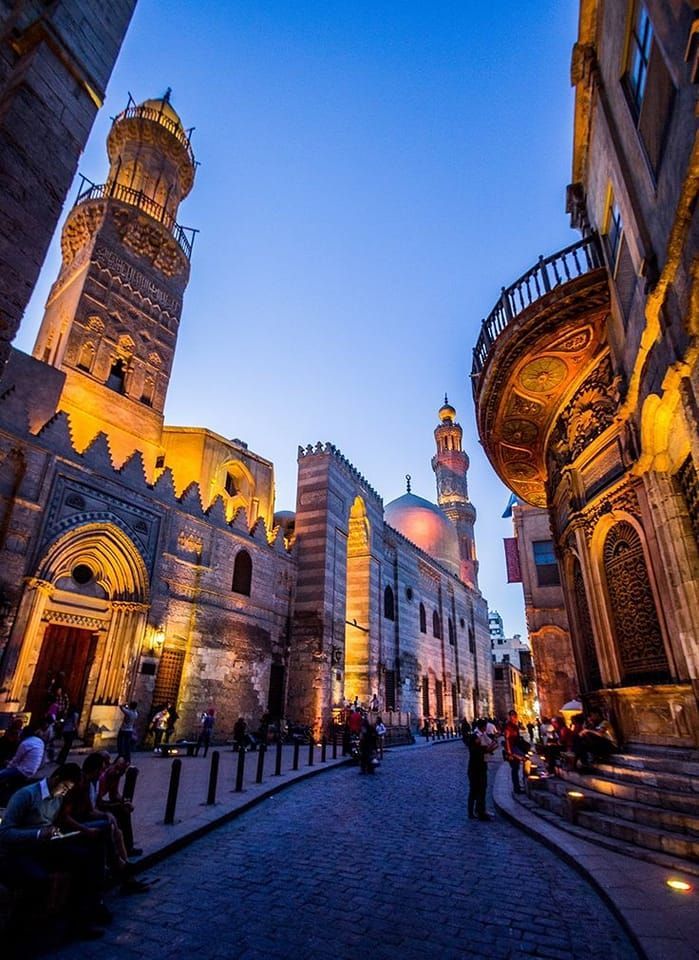
Al Moa’az Street Cairo

Why Discover the City of the Dead?

A tour of the Cairo Necropolis offers a truly unique and profound experience for travelers seeking:

  • Authentic Cultural Immersion: Witness a unique way of life where historical reverence and daily living are intertwined.
  • Architectural Gems: Discover centuries of Islamic architectural styles, from early Islamic simplicity to the ornate grandeur of the Mamluk period.
  • Historical Insights: Gain a deeper understanding of Egypt’s rich Islamic history, beyond the pharaonic era.
  • Unique Photography Opportunities: Capture the compelling contrasts between ancient monuments and modern life.
  • Off-the-Beaten-Path Experience: Discover a less conventional but deeply rewarding side of Historic Cairo.

Tips for Visiting the Cairo Necropolis:

  • Respectful Conduct: Remember this is a living community and a sacred burial ground. Dress modestly, be mindful of residents, and ask permission before taking close-up photos of people.
  • Timing: Daytime visits are best for safety and to fully appreciate the architecture.
  • Comfortable Footwear: You’ll be doing a lot of walking on unpaved paths and uneven surfaces.

The Cairo Necropolis, or City of the Dead, is a powerful reminder that history is not just confined to museums or ruins; it lives and breathes within the vibrant tapestry of urban life. It’s a place that challenges perceptions and offers a poignant, unforgettable glimpse into the soul of Egypt.

Ready to uncover the fascinating stories within Cairo’s living necropolis? Plan your journey to this extraordinary historical and cultural landmark!