Beyond the Pyramids: Unveiling the Historical Heart of Cairo

While the majestic Giza Pyramids might be the first image that springs to mind, Cairo is a city steeped in millennia of history, boasting a rich tapestry of historical sites that span various eras and cultures. From ancient Roman forts to awe-inspiring Islamic architecture and early Christian heritage, exploring Cairo’s historical sites is a journey through time itself. This blog will guide you through some of the must-see historical gems that reveal the soul of Egypt’s vibrant capital.

Islamic Cairo: A UNESCO World Heritage Treasure

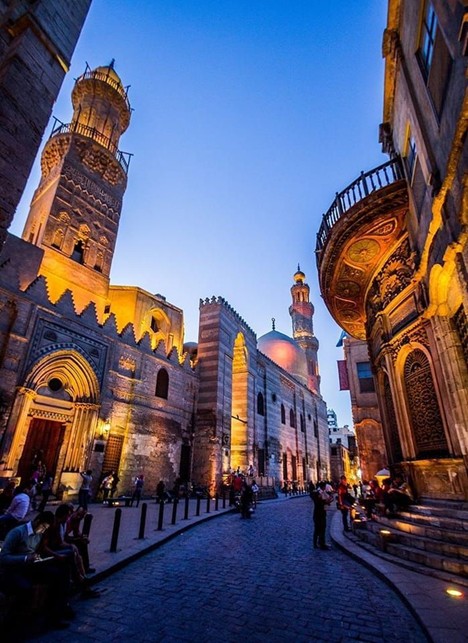
The very heart of historical Cairo lies in what is known as Islamic Cairo, a UNESCO World Heritage site and a living museum of breathtaking Islamic architecture. This ancient quarter, with its narrow, winding alleys, bustling souqs, and towering minarets, takes you back to the Fatimid, Ayyubid, and Mamluk eras.

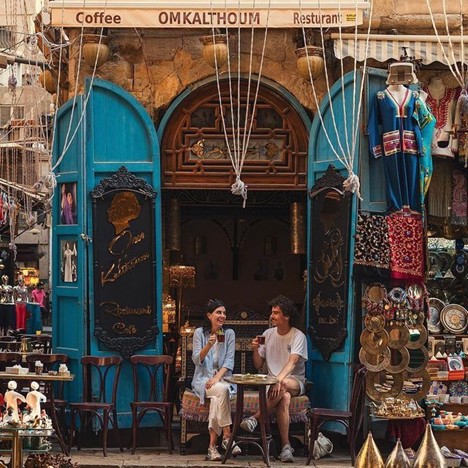
  • Khan el-Khalili: No visit to Islamic Cairo is complete without a stroll through Khan el-Khalili, one of the oldest and most famous bazaars in the Middle East. Dating back to the Mamluk era, this vibrant marketplace is a feast for the senses, offering everything from exquisite craftsmanship and traditional souvenirs to aromatic spices and bustling coffee shops. It’s the perfect place to soak in the atmosphere of old Cairo.
  • Al-Muizz Street: Often called an “open-air museum,” Al-Muizz li-Din Allah al-Fatimi Street is lined with an astonishing collection of medieval Islamic monuments. As you walk along this historic thoroughfare, you’ll encounter stunning mosques, madrasas (religious schools), hospitals, and grand houses, each telling a story of Cairo’s golden age. Don’t miss:
    • Al-Azhar Mosque: Founded in 970 CE, Al-Azhar is not just one of the oldest mosques in Cairo but also the second oldest continuously run university in the world. Its grand courtyards and intricate prayer halls are a testament to centuries of Islamic scholarship and worship.
    • Mosque-Madrassa of Sultan Hassan: A colossal and awe-inspiring example of Mamluk architecture, this 14th-century complex is renowned for its sheer scale, soaring minarets, and impressive courtyard.
    • Mosque of Ibn Tulun: Dating back to the 9th century, this is Cairo’s oldest surviving mosque in its original form. Its vast open courtyard, unique spiraling minaret (inspired by the Great Mosque of Samarra in Iraq), and pointed arches (which predate European Gothic architecture) make it a truly remarkable site.
    • Complex of Sultan Qalawun: This impressive 13th-century complex includes a mosque, a madrasa, and a mausoleum, showcasing intricate Mamluk decorative arts.
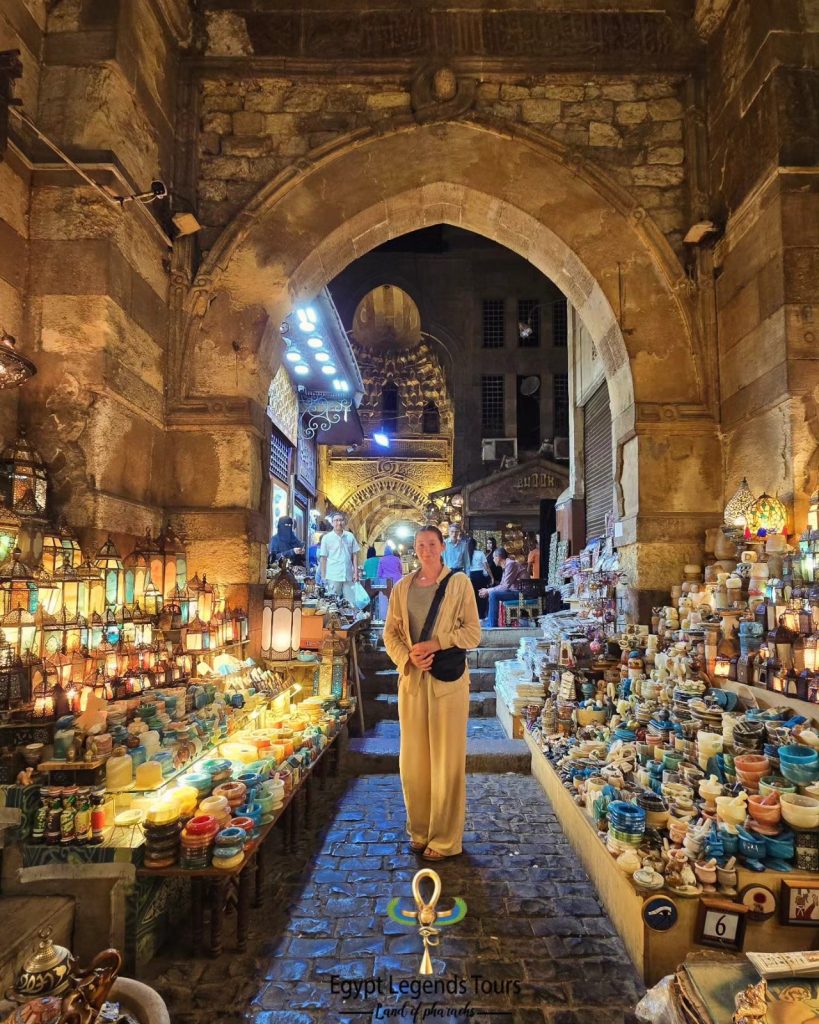
Khan El Khalili Market Cairo

The Citadel of Salah al-Din: A Fortress of Power

Perched atop the Mokattam Hills, the imposing Citadel of Salah al-Din (Saladin Citadel) has dominated Cairo’s skyline for centuries. Built by the legendary Ayyubid ruler Salah al-Din in the 12th century to protect Cairo from Crusader attacks, it served as the seat of Egyptian government for over 700 years.

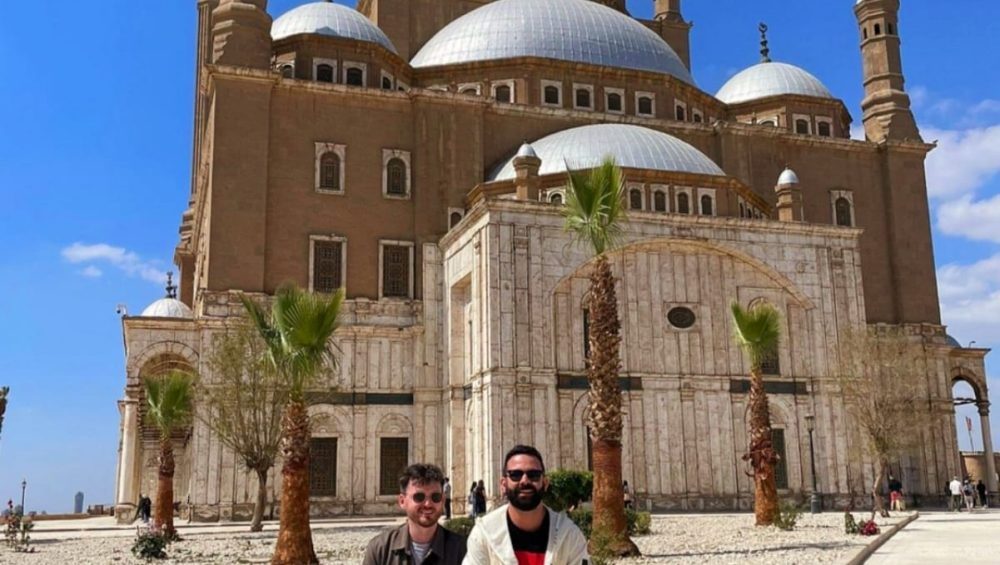
  • Mosque of Muhammad Ali Pasha: The most prominent feature of the Citadel is the magnificent Mosque of Muhammad Ali Pasha, often referred to as the “Alabaster Mosque.” With its Ottoman-inspired architecture, grand domes, and slender minarets, it’s an iconic landmark offering panoramic views of Cairo. Inside, the intricate decorations and vast prayer hall are truly stunning.
  • Other Museums and Mosques: Within the Citadel complex, you’ll also find the National Police Museum, the Royal Carriages Museum, and other historical mosques like the Mosque of al-Nasir Muhammad, providing a comprehensive look at Egypt’s various ruling periods.
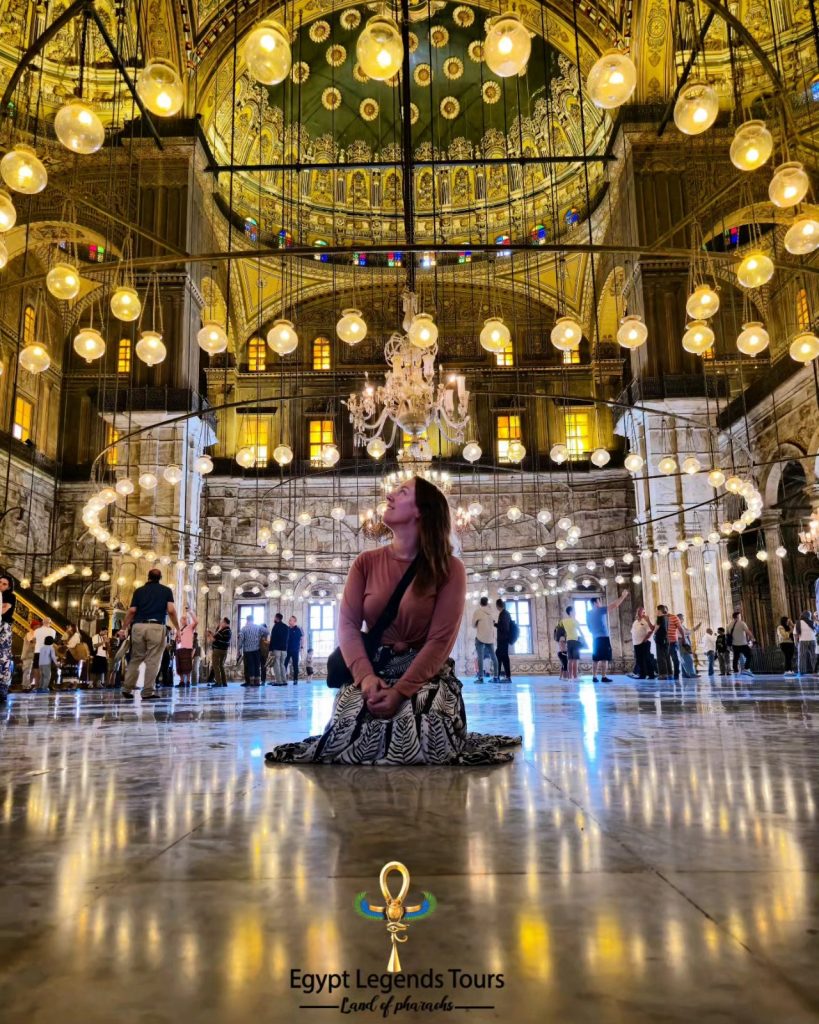
Mosque Of Mohamed Ali Pasha

Coptic Cairo: The Cradle of Christianity in Egypt

A tranquil oasis amidst the city’s hustle and bustle, Coptic Cairo is the spiritual heart of Egypt’s Christian community. This ancient area, built around the remnants of the Roman-era Babylon Fortress, holds immense historical and religious significance.

  • The Hanging Church (St. Mary’s Church): Perched above the gatehouse of the Babylon Fortress, this iconic church gets its name from its nave “hanging” over a passage. It’s one of Egypt’s oldest churches, with a history dating back to the 3rd or 4th century, and is renowned for its beautiful icons and historic atmosphere.
  • Church of Saints Sergius and Bacchus (Abu Serga): Legend has it that the Holy Family rested in a cave beneath this church during their flight into Egypt, making it a revered pilgrimage site.
  • Ben Ezra Synagogue: This historic synagogue is believed to be built on the site where baby Moses was found, adding another layer to the area’s diverse religious heritage.
  • Coptic Museum: Housing one of the world’s most extensive collections of Coptic artifacts, the Coptic Museum provides invaluable insights into the history, art, and culture of early Christianity in Egypt.
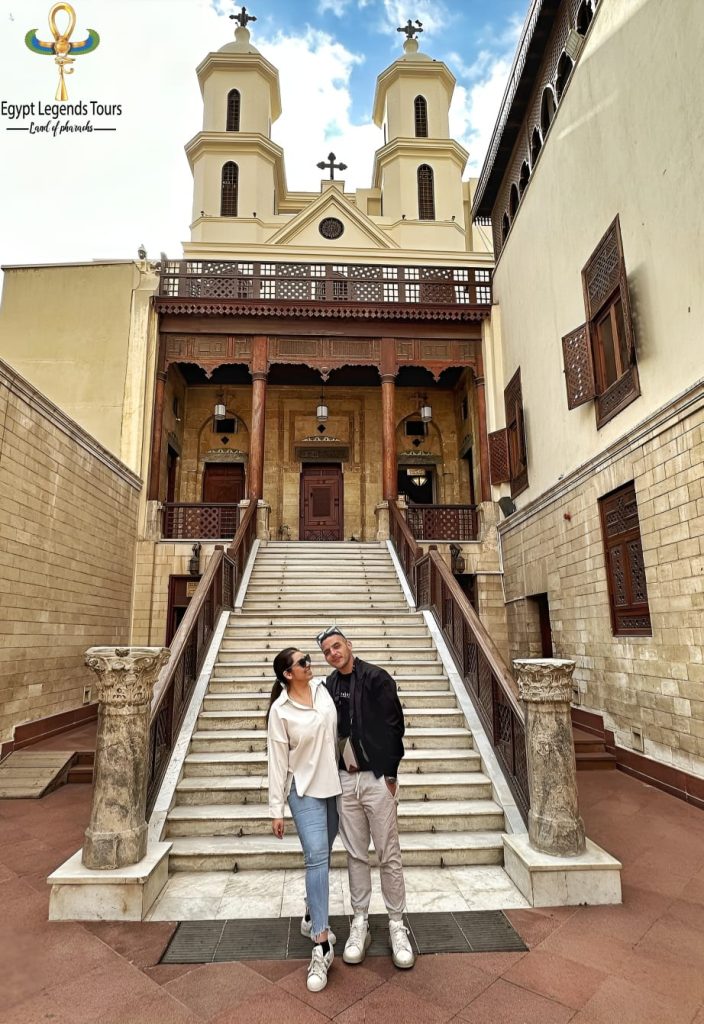
Hanging Church

Planning Your Historical Cairo Exploration:

  • Prioritize: Cairo’s historical sites are vast. Consider dedicating full days or at least half-days to specific areas like Islamic Cairo or Coptic Cairo to truly immerse yourself.
  • Comfortable Attire: Dress modestly, especially when visiting religious sites. Comfortable walking shoes are a must for navigating the ancient streets and sprawling complexes.
  • Stay Hydrated: Egypt’s climate can be warm, so always carry water.

Cairo’s historical sites offer an unparalleled journey through civilizations, empires, and spiritual traditions. From the echoes of medieval caliphs to the ancient roots of Christianity, every corner of this city holds a story waiting to be discovered.

Embark on your unforgettable historical tour of Cairo and uncover the layers of Egypt’s magnificent past!
A Tale of Two Treasures: The Egyptian Museum and the Grand Egyptian Museum

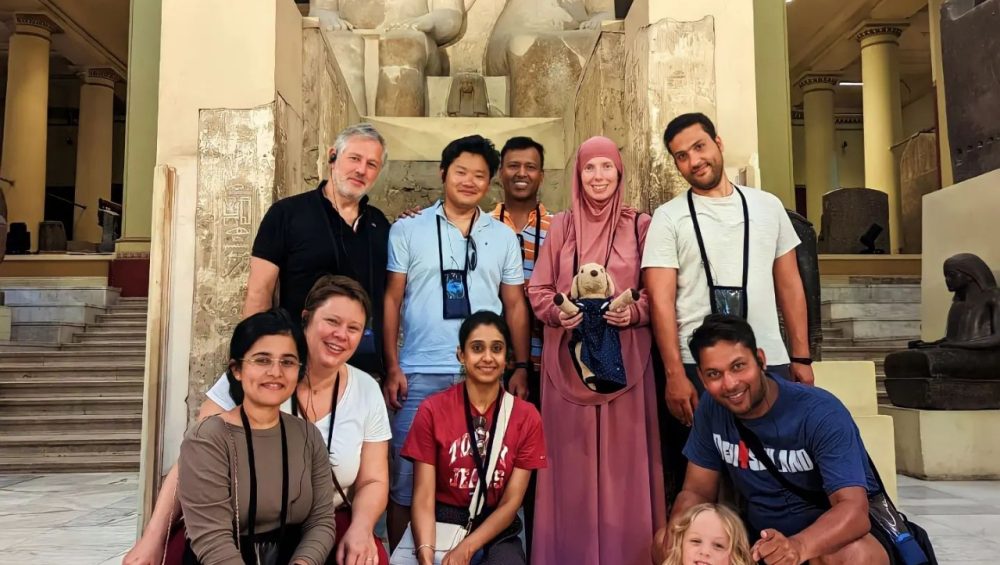
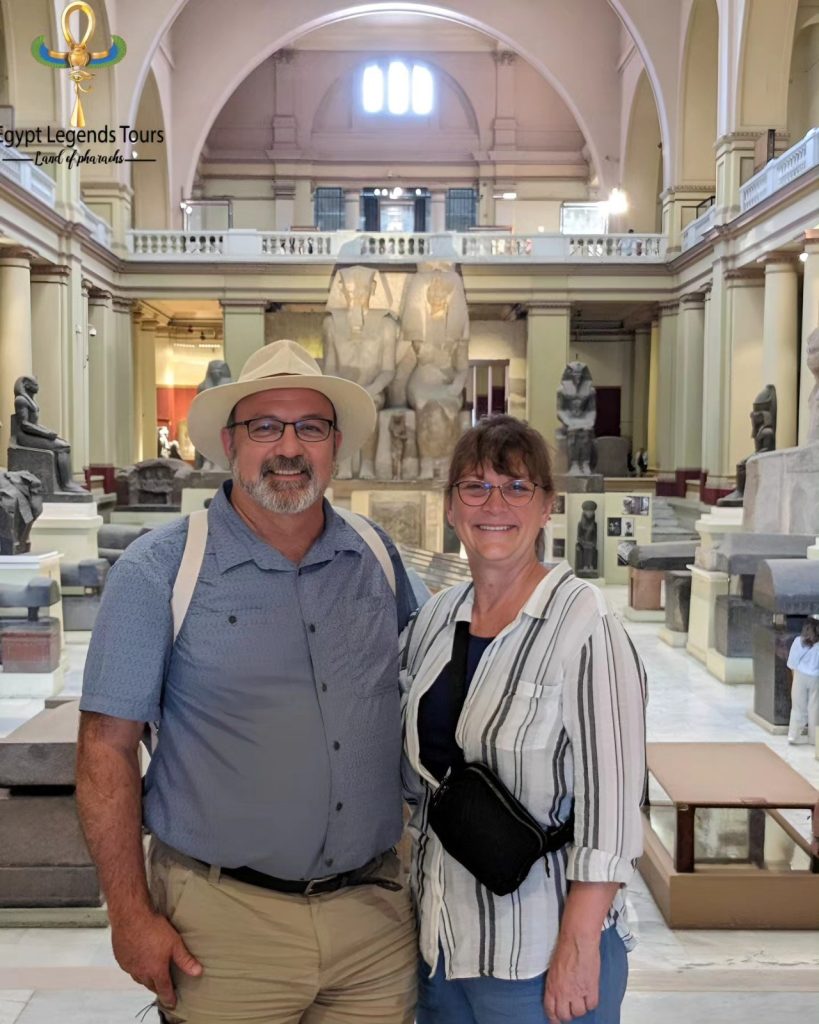
For decades, the Egyptian Museum in Tahrir Square has been the iconic home of the world’s most extensive collection of ancient Egyptian antiquities. It’s a place where history literally spills out of every corner, a testament to the incredible richness of this ancient civilization. However, a new era in Egyptian museology has dawned with the much-anticipated Grand Egyptian Museum (GEM), promising an unparalleled experience.

For any traveler passionate about ancient Egypt, understanding both these incredible institutions is key to planning your visit to Cairo.

The Egyptian Museum (Museum of Egyptian Antiquities) – Tahrir Square: A Historical Gem

Often referred to simply as “the Egyptian Museum,” this grand, pink-hued building in the heart of Tahrir Square has captivated visitors since its opening in 1902. Stepping inside is like entering a time capsule, where the sheer volume of artifacts is overwhelming in the most exhilarating way.

Highlights of the Egyptian Museum, Tahrir:

  • Tutankhamun’s Treasures (Currently being transferred): For years, the undeniable highlight was the glorious gold burial mask of Tutankhamun and the vast collection of artifacts from his tomb. While many of these items have now moved to the GEM, the Tahrir Museum still holds some important pieces related to Tutankhamun and other significant artifacts. Check current availability when planning your visit.
  • The Royal Mummies Room (Now at NMEC): Another popular section was the Royal Mummies Room, displaying the mummified remains of pharaohs like Ramses II and Hatshepsut. These have largely been transferred to the National Museum of Egyptian Civilization (NMEC), another must-visit museum in Cairo.
  • Narmer Palette: A crucial artifact from the Early Dynastic period, this slate palette depicts the unification of Upper and Lower Egypt and is a cornerstone of early Egyptian history.
  • Statues of Khafre and Menkaure: Marvel at the powerful and exquisitely carved statues of the Old Kingdom pharaohs, offering insight into the artistry of the Pyramid Age.
  • Statue of Ka-aper (Sheikh el-Balad): This incredibly lifelike wooden statue from the Old Kingdom is famous for its realistic eyes and expressive face.
  • Countless Sarcophagi, Jewelry, and Daily Life Objects: The museum’s vast collection covers every aspect of ancient Egyptian life, from predynastic tools to Greco-Roman artifacts, offering endless discoveries for the curious mind.

The Tahrir Museum, with its slightly more chaotic yet authentic charm, provides a sense of discovery as you wander through its crowded halls, filled with millennia of history.

Egyptian Museum Cairo

The Grand Egyptian Museum (GEM): The Future of Egyptian Heritage

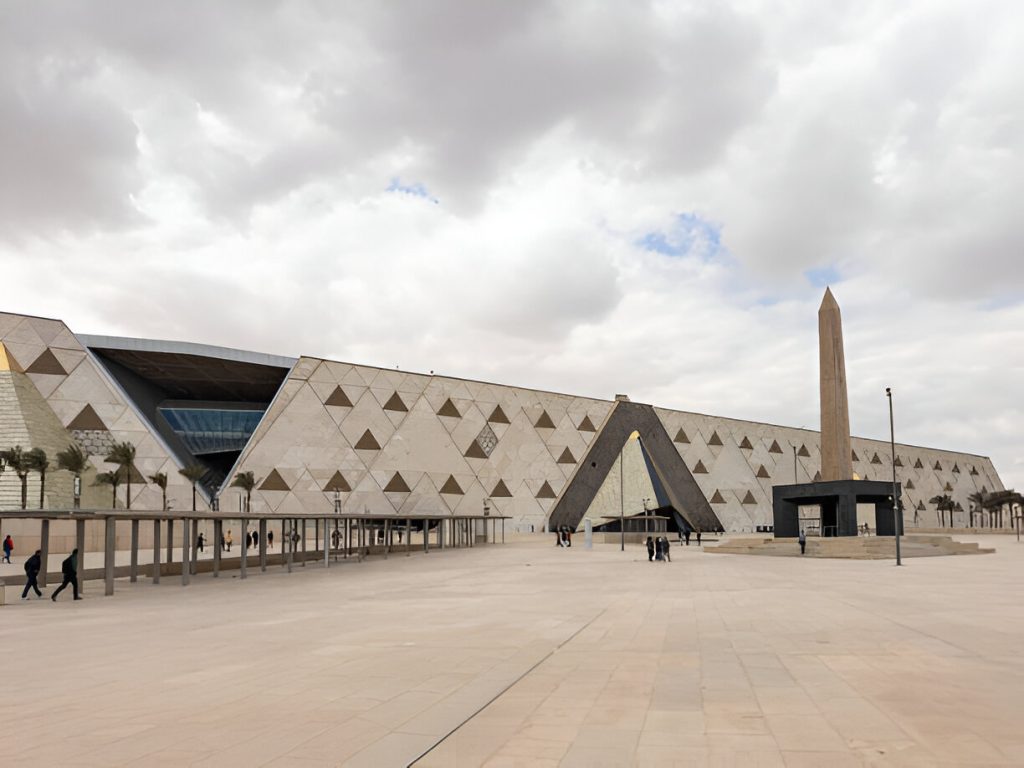
Overlooking the magnificent Giza Pyramids, the Grand Egyptian Museum is a monumental undertaking, designed to be the largest archaeological museum in the world. After years of anticipation and a soft opening phase, the GEM is now largely accessible, providing a state-of-the-art home for Egypt’s unparalleled heritage.

Key Features and Highlights of the GEM:

  • The Complete Tutankhamun Collection: For the very first time, all 5,000 artifacts found in King Tutankhamun’s tomb will be displayed together, offering an unprecedented look into the life and afterlife of the boy king. This is a major draw for Egypt tours.
  • Colossal Statue of Ramses II: A towering statue of Ramses the Great greets visitors in the grand atrium, setting the stage for the awe-inspiring collections within.
  • The Grand Staircase: This impressive staircase is adorned with colossal statues and artifacts, guiding visitors on a chronological journey through Egyptian history, culminating in panoramic views of the Giza Pyramids.
  • Khufu’s Solar Boat: Housed in its own dedicated gallery, the meticulously reconstructed Solar Boat of Khufu is a breathtaking testament to ancient Egyptian shipbuilding and beliefs about the afterlife.
  • Modern Exhibition Spaces: The GEM utilizes cutting-edge technology and spacious, well-lit galleries to present artifacts in a clear, engaging, and comprehensive manner.
  • Conservation Center: The museum also boasts a world-class conservation center, allowing visitors to glimpse the meticulous work involved in preserving these ancient treasures.
Grand Egyptian Museum Giza , GEM

Which Museum to Visit?

With the opening of the GEM, many travelers wonder if they need to visit both. The answer often depends on your interests and available time:

  • For the Ultimate Experience: If time permits, visiting both the Grand Egyptian Museum and the Egyptian Museum in Tahrir offers a comprehensive understanding. The GEM provides a modern, chronological narrative with all of Tutankhamun’s treasures, while the Tahrir Museum retains a historical charm and a vast collection of other significant artifacts.
  • If Time is Limited: For most visitors, the Grand Egyptian Museum is now the primary destination for a deep dive into ancient Egyptian history, especially to see the complete Tutankhamun collection and enjoy its modern presentation.
  • Don’t Forget NMEC: Also consider visiting the National Museum of Egyptian Civilization (NMEC), which now houses the Royal Mummies and offers a broader overview of Egyptian civilization from prehistoric times to the modern era.

Planning Your Museum Visit:

  • Book Tickets in Advance: Especially for the GEM, purchasing tickets online can save time.
  • Wear Comfortable Shoes: You’ll be doing a lot of walking!
  • Stay Hydrated: Carry water, particularly during warmer months.
  • Photography Rules: Be aware of photography restrictions, especially for specific sensitive artifacts.

Whether you’re exploring the nostalgic halls of the Egyptian Museum or marveling at the technological prowess of the Grand Egyptian Museum, these institutions offer unparalleled opportunities to connect with the incredible legacy of ancient Egypt. They are absolute must-sees for anyone on an Egypt tour or interested in Egyptian archaeology.

Embark on your journey through ancient history – your adventure in Cairo’s magnificent museums awaits!

Memphis Open-Air Museum: Stepping into Egypt’s Ancient Capital

While the colossal pyramids of Giza and the sprawling temples of Luxor capture the imagination, few sites offer as intimate a glimpse into the daily life and monumental aspirations of ancient Egypt’s first capital as the Memphis Open-Air Museum. Located at Mit Rahina, just a short drive south of Cairo, this unique archaeological park allows visitors to walk among the scattered remnants of a city that once ruled a powerful empire for millennia.

For any traveler on an Egypt tour interested in the foundational history of this remarkable civilization, the Memphis Open-Air Museum is a vital and easily accessible stop, often combined with a visit to the nearby Saqqara Necropolis and the Dahshour Pyramids.

The Glory That Was Memphis: A Brief History

Founded by King Menes around 3100 BCE, Memphis served as the capital of unified Egypt throughout the Old Kingdom and remained a significant political and religious center for much of ancient Egyptian history. It was the principal cult center for the god Ptah, the patron deity of craftsmen and architects. Though time, natural forces (like the changing course of the Nile), and stone quarrying for later cities have left little of the original city standing, what remains at the open-air museum provides powerful insights.

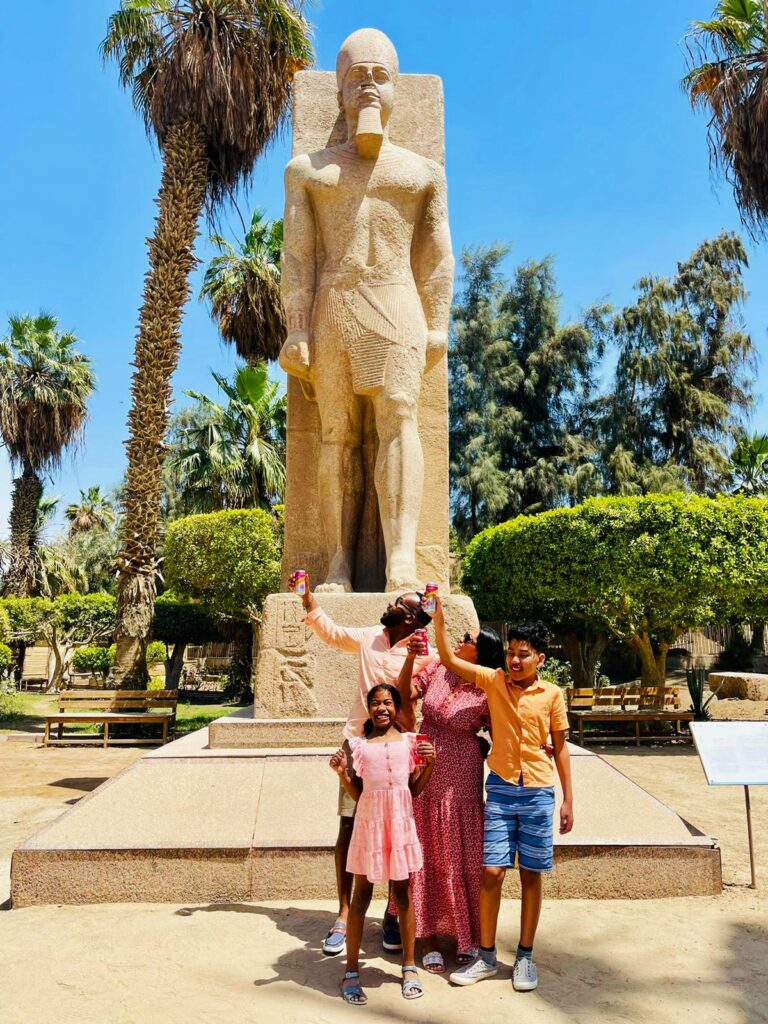
Statue Of King Rameses

Unveiling the Treasures: Highlights of the Museum

The Memphis Open-Air Museum offers a concentrated collection of monumental sculptures and architectural fragments that speak volumes about the city’s past grandeur.

The Colossal Statue of Ramses II: This is undoubtedly the star attraction. Lying prone within a specially constructed pavilion, this enormous limestone statue of Ramses the Great (measuring over 10 meters long) is remarkably well-preserved. You can walk around it on a viewing platform, appreciating the intricate details of the pharaoh’s crown, regalia, and serene facial expression. It’s a breathtaking testament to the scale of ancient Egyptian artistry and the ego of one of its most powerful rulers.

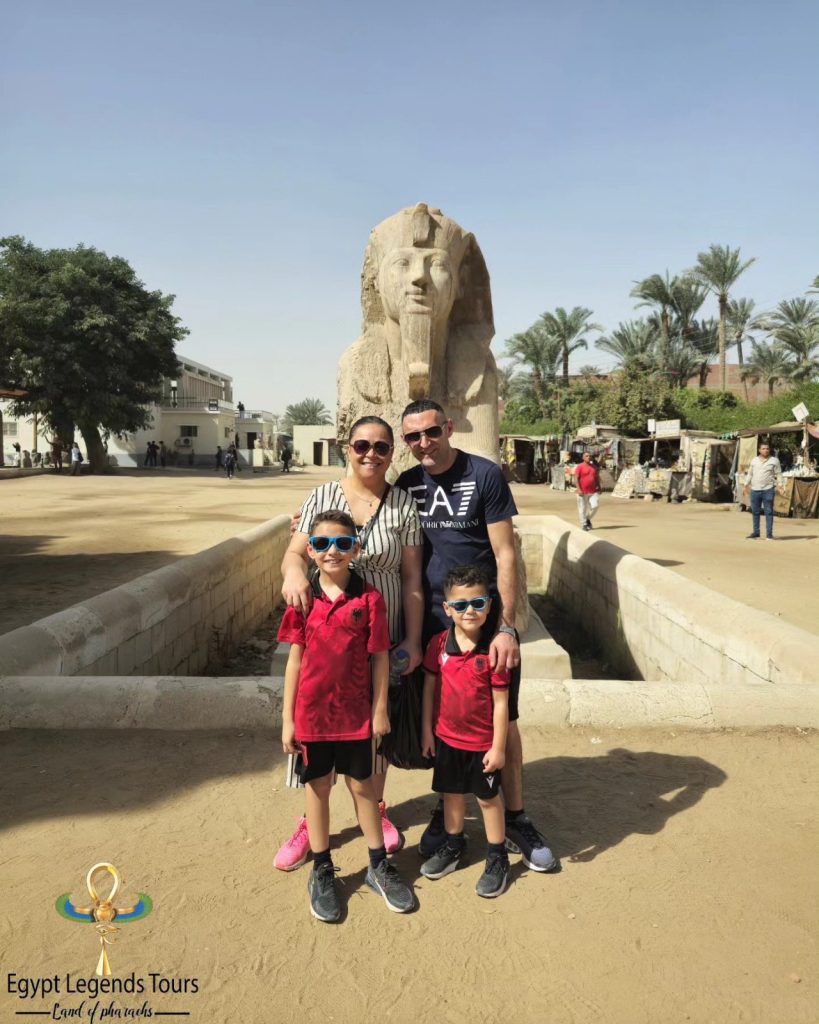
The Alabaster Sphinx of Memphis: Another magnificent piece, this beautifully sculpted alabaster sphinx weighs approximately 80 tons and is believed to date from the New Kingdom, possibly depicting Pharaoh Amenhotep II. Unlike the Great Sphinx of Giza, which is carved from bedrock, this sphinx is a single, exquisitely polished piece of white alabaster, exuding a sense of serene majesty.

Remnants of the Temple of Ptah: While the grand Temple of Ptah is largely gone, you can still see various fragmented statues, column bases, and stone blocks scattered throughout the museum grounds. These provide a tangible connection to the colossal scale of the city’s main cult center.

Other Statues and Artifacts: The museum features a collection of other statues of pharaohs, deities, and officials, as well as stelae and various architectural elements, offering further insights into the diverse artistic and religious practices of ancient Memphis.

Sphinx Of Queen Hatshepsut

Why Visit the Memphis Open-Air Museum

A Crucial Historical Context: Visiting Memphis is essential for understanding the broader Memphis Necropolis (which includes Saqqara and Dahshour) and the evolution of ancient Egyptian monumental architecture. It provides the urban context for the magnificent tombs and pyramids built on the desert plateau.

Intimate Scale: Unlike the vastness of Luxor’s temple complexes, the Memphis Open-Air Museum is relatively compact, allowing for a focused and digestible exploration of its key artifacts. You can get up close to the colossal statues and appreciate their details.

Convenient Location: Situated just a short drive from Cairo, it’s an ideal addition to any Cairo day tour itinerary, often combined with Saqqara and Dahshour for a comprehensive journey through the Old Kingdom.

Photographic Opportunities: The colossal statues against the open sky provide excellent opportunities for memorable photos.

Planning Your Visit:

  • Combine Your Trip: The Memphis Open-Air Museum is best visited as part of a day trip that includes the Step Pyramid of Djoser at Saqqara and the pyramids of Dahshour. This allows for a chronological and geographical understanding of early Egyptian monumental building.
  • Comfortable Attire: As an outdoor site, wear comfortable walking shoes, a hat, and sunscreen, especially during sunny months.
  • Opening Hours: Check current opening hours, as they can vary seasonally (typically 8 AM to 4 PM).

The Memphis Open-Air Museum may not boast intact temples or towering pyramids, but it offers a powerful connection to the very foundations of ancient Egyptian civilization. It’s a place where you can touch the remnants of a city that shaped history, making it an invaluable stop for any serious exploration of Egypt’s archaeological wonders.

Step back in time to the heart of ancient power – discover the secrets of Memphis at its open-air museum!

Dahshour Unveiling the Pyramids of Innovation and Perfection

Beyond the famous Giza Plateau lies a less crowded, yet equally significant, chapter in ancient Egyptian pyramid building: the Dahshour Necropolis. Located approximately 40 kilometers south of Cairo, this ancient royal burial ground is a treasure trove for anyone fascinated by the evolution of pyramid architecture. While Giza boasts the ultimate triumph, Dahshour is where the critical experiments, failures, and eventual successes took place, paving the way for the grand pyramids that followed.

Dahshour: The Cradle of the “True” Pyramid:

The Dahshour Pyramids offer a unique opportunity to witness the remarkable journey of the ancient Egyptians as they refined their construction techniques and architectural understanding. This site is primarily associated with Pharaoh Sneferu, the visionary founder of the 4th Dynasty and father of Khufu (who built the Great Pyramid of Giza). Sneferu’s relentless pursuit of the perfect pyramid is beautifully documented in the structures he left behind at Dahshour.

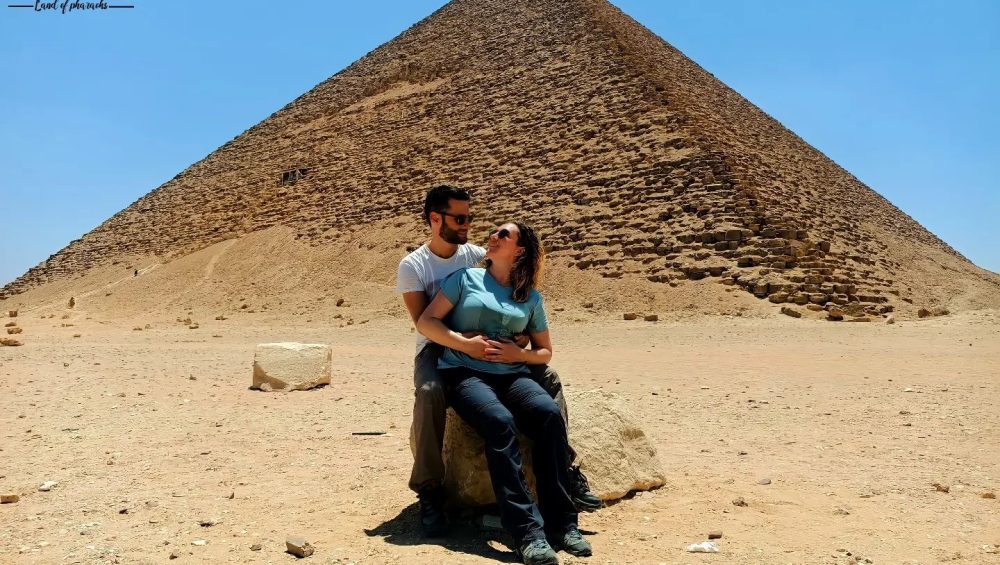
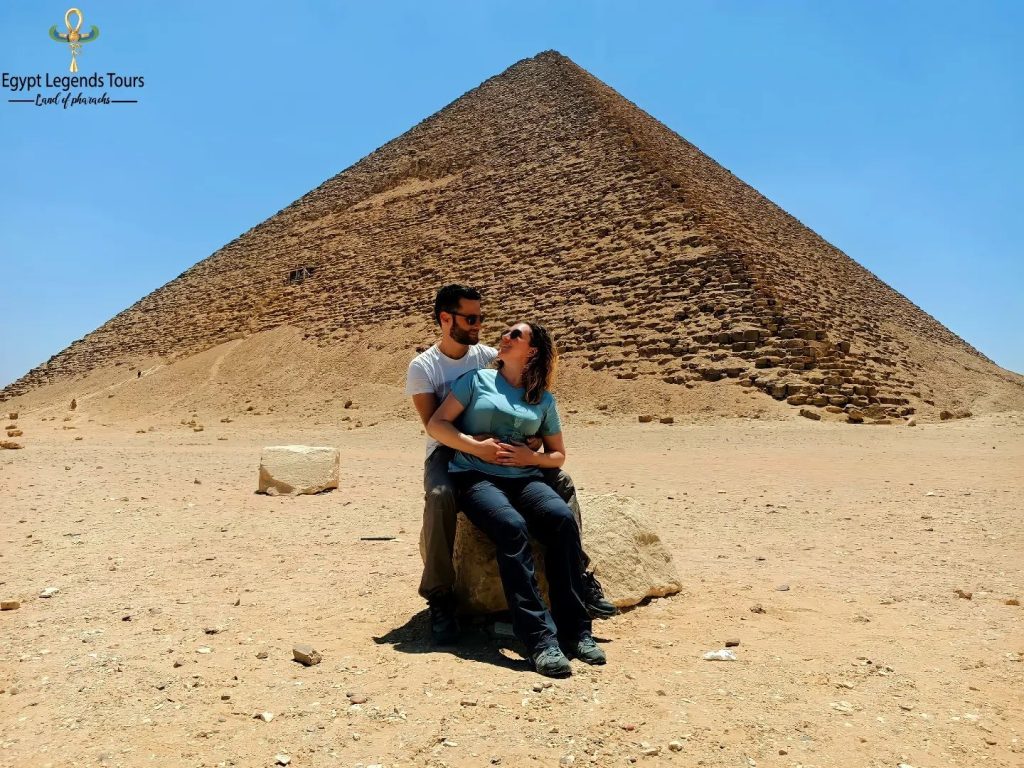
Oldest True Pyramid / Red Pyramid

The Architectural Masterpieces of Dahshour:

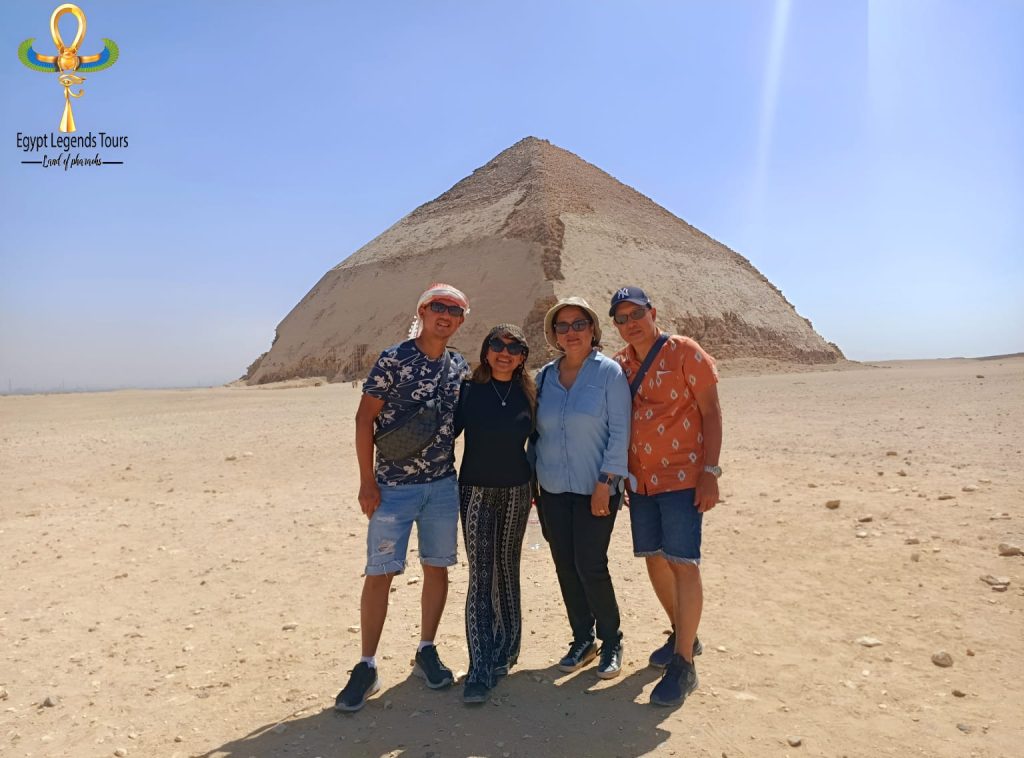
  1. The Bent Pyramid: This iconic pyramid is arguably the most famous at Dahshour and a testament to the trial-and-error process of early pyramid construction. Built for Sneferu, the Bent Pyramid dramatically changes its angle about halfway up, giving it its distinctive “bent” appearance. This shift in inclination, from a steep 54 degrees to a shallower 43 degrees, was likely a last-minute adjustment to prevent structural collapse. It represents a crucial learning experience for the ancient builders, demonstrating their innovative spirit and ability to adapt. You can even enter this unique pyramid and explore its two distinct burial chambers!
  2. The Red Pyramid: Just a short distance from the Bent Pyramid stands the magnificent Red Pyramid, also built by Pharaoh Sneferu. This monumental structure holds immense historical significance as it is widely considered the world’s first true smooth-sided pyramid. Its name comes from the reddish hue of the limestone blocks used in its construction. After the lessons learned from the Bent Pyramid, the Red Pyramid stands as a testament to perfected engineering, making it a pivotal landmark in the history of architecture. Entering the Red Pyramid allows you to experience its vast internal chambers, showcasing the mastery of ancient Egyptian stonemasonry.
The Bent Pyramid
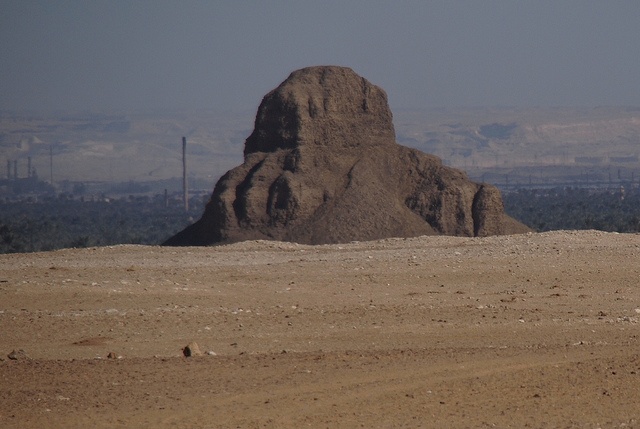
  1. The Black Pyramid (Pyramid of Amenemhat III): While less visually striking today due to extensive erosion, the Black Pyramid is another important monument at Dahshour, dating from the Middle Kingdom (12th Dynasty). Built primarily from mud brick with a limestone casing, it showcases a different architectural approach. Though largely ruined, its remaining core provides valuable insights into later pyramid construction techniques and the challenges faced by builders in different periods.
The Black Pyramid

Why Visit Dahshour?

Photographic Opportunities: The stark desert landscape, combined with the unique shapes of the Dahshour Pyramids, creates stunning photographic opportunities, especially during sunrise or sunset.

Witness Architectural Evolution: Dahshour is the perfect place to understand how the ancient Egyptians progressed from the experimental Step Pyramid at Saqqara to the near-perfect designs of the Giza Pyramids. It’s a living architectural textbook.

Escape the Crowds: Unlike the often bustling Giza Plateau, Dahshour offers a more serene and contemplative experience. You’ll have more space to marvel at these ancient wonders and soak in the historical atmosphere.

Discover Inside Pyramids: Both the Bent Pyramid and the Red Pyramid are open to visitors, providing an incredible opportunity to delve into their mysterious interiors and appreciate their ingenious construction firsthand.

Planning Your Dahshour Excursion:

  • Combine with Saqqara: Dahshour is often visited in conjunction with the Saqqara Necropolis, as they are relatively close and offer a chronological journey through pyramid development.
  • Comfortable Attire: Wear comfortable walking shoes, a hat, sunscreen, and light, breathable clothing, especially given the open desert environment.
  • Stay Hydrated: Always carry plenty of water.

The Dahshour Necropolis offers a compelling narrative of innovation, perseverance, and triumph in ancient Egyptian engineering. It’s a place where the secrets of pyramid building were truly unlocked, making it an essential destination for any traveler seeking a deeper understanding of ancient Egypt’s unparalleled architectural legacy. Don’t miss the chance to explore these fascinating precursors to the Giza wonders!

Discover the secrets of the ancient world – plan your trip to the Dahshour Pyramids today!

Journey to the Beautiful Land of Giants Exploring the Giza Pyramids Necropolis

Are you ready to witness one of the most iconic and enduring symbols of human achievement? Do you dream of standing in the shadow of millennia-old marvels? Then your journey to Egypt isn’t complete without an immersive exploration of the Giza Pyramids Necropolis. This breathtaking archaeological site, a UNESCO World Heritage site and the only remaining Ancient Wonder of the World, offers an unparalleled window into the ingenuity, beliefs, and sheer power of the ancient Egyptian civilization.

The Giza Necropolis: A Testament to Immortality

Nestled on the Giza Plateau, on the western bank of the Nile River, the Giza Necropolis served as the royal burial ground for pharaohs of the Fourth Dynasty (circa 2575–2465 BCE). This sprawling complex is far more than just three pyramids; it’s a meticulously planned city of the dead, designed to ensure the eternal life and divine ascension of its royal occupants. Here, the pharaohs sought to literally touch the heavens, leaving behind a legacy that continues to captivate the world.

The Mighty Three: Pillars of the Past

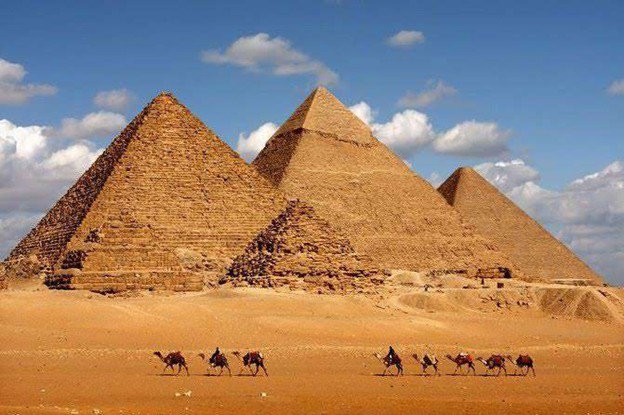
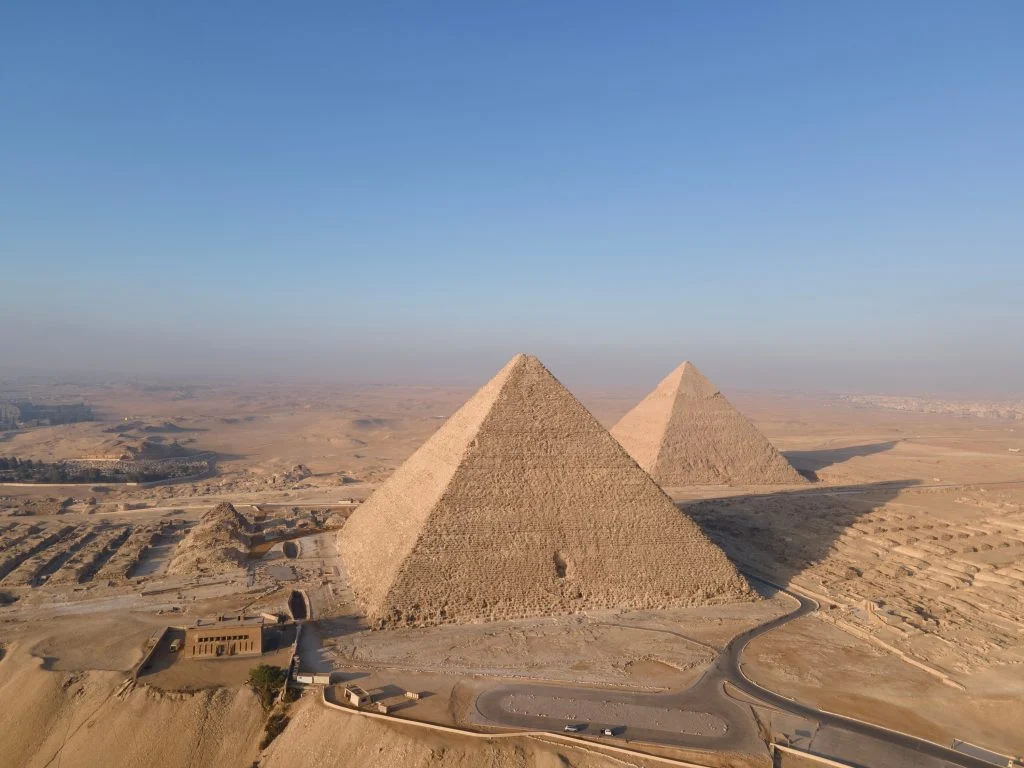
The undisputed stars of the Giza Necropolis are its three colossal pyramids:

  • The Great Pyramid of Khufu (Cheops): The largest and oldest of the trio, this magnificent structure stood as the tallest man-made building in the world for over 3,800 years. Its sheer scale and the precision of its construction continue to baffle and inspire engineers and historians alike. Stepping inside (for a separate ticket) allows you to experience the narrow passages and impressive chambers, offering a truly unique perspective on its grandeur.
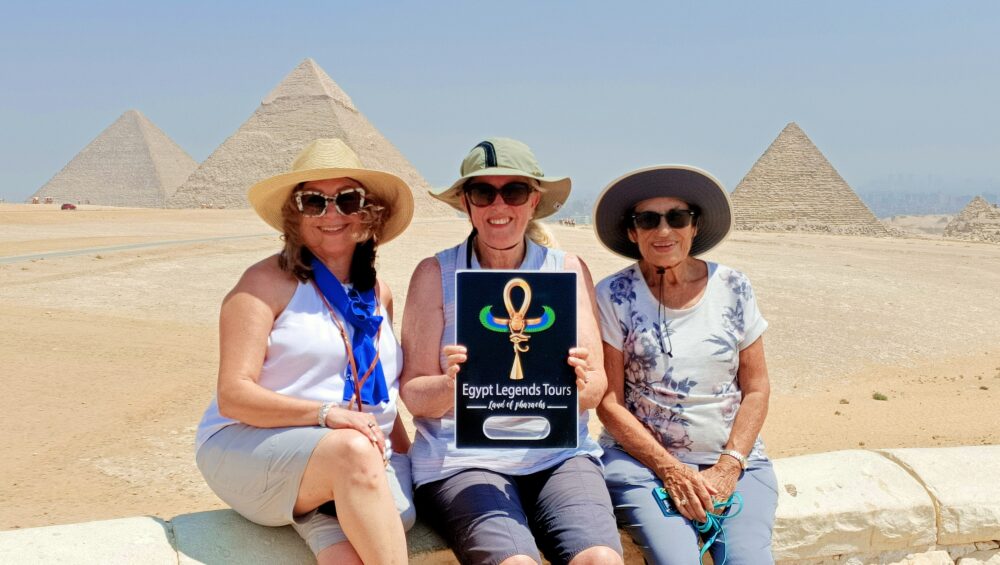
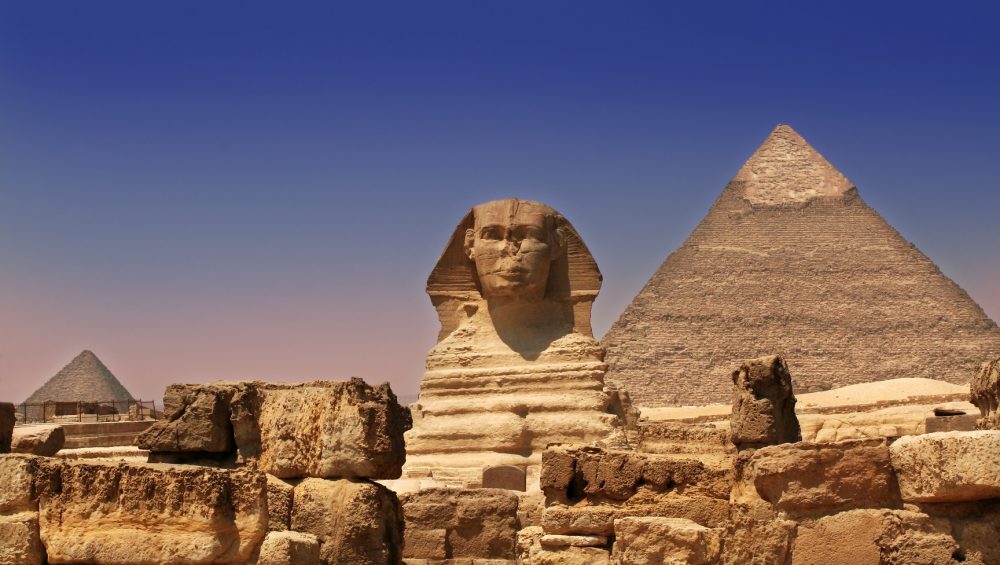
  • The Pyramid of Khafre (Chephren): Slightly smaller than Khufu’s, the Pyramid of Khafre is easily identified by the remnants of its original polished limestone casing near its apex. It’s often photographed with the majestic Great Sphinx in the foreground, creating that iconic Egyptian panorama.
  • The Pyramid of Menkaure (Mykerinus): The smallest of the three main pyramids, Menkaure’s pyramid is nevertheless a stunning feat of engineering and a crucial part of the complex. It once featured a rich granite casing, adding to its imposing beauty.
The Great Pyramid

The Enigmatic Guardian: The Great Sphinx

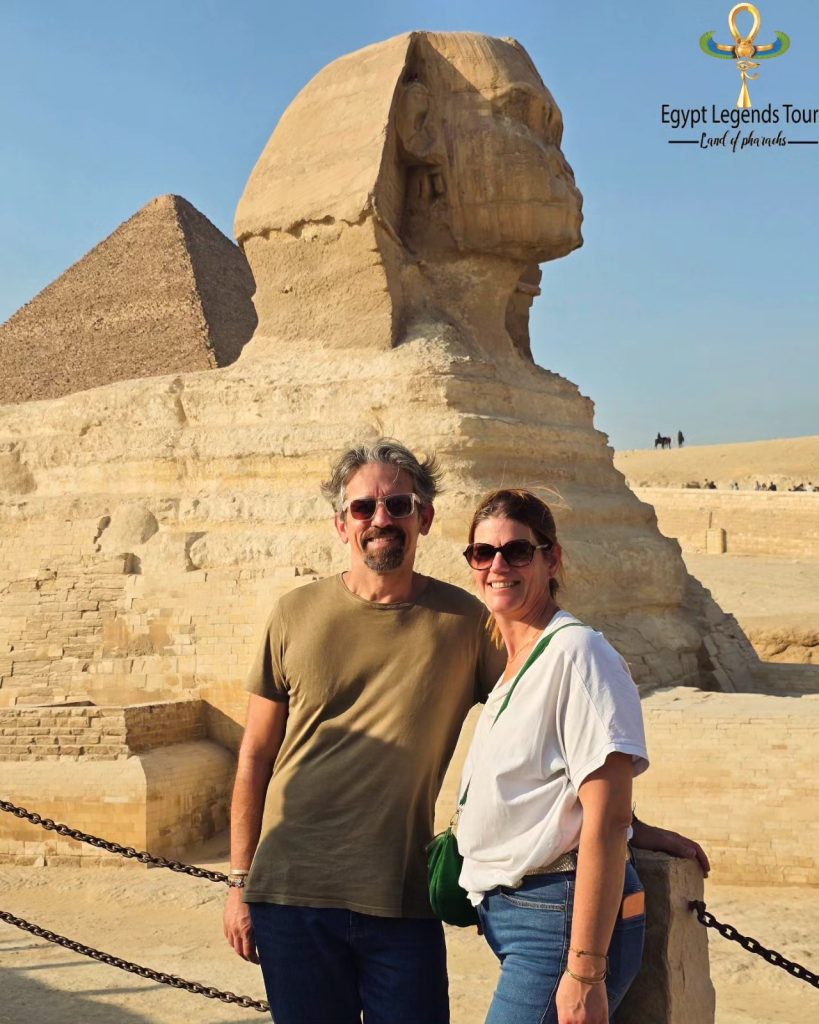
No visit to Giza is complete without beholding the enigmatic Great Sphinx of Giza. This colossal limestone statue, with the body of a lion and the head of a human (believed to represent Pharaoh Khafre), has guarded the Giza Plateau for millennia. Its stoic gaze and mysterious aura make it one of the most recognizable and captivating ancient monuments on Earth.

Valley Temple & Sphinx

Beyond the Pyramids: A Rich Archaeological Landscape

While the major pyramids and the Sphinx dominate the skyline, the Giza Necropolis offers much more for the eager explorer:

  • Queens’ Pyramids: Discover the smaller pyramids associated with the queens of the pharaohs, offering insights into the royal family structure.
  • Mastaba Tombs: Discover the rectangular, flat-topped mastaba tombs of nobles and high-ranking officials. Many of these contain remarkably preserved and vibrant wall reliefs depicting scenes of daily life, offering a fascinating glimpse into ancient Egyptian society and beliefs about the afterlife.
  • Valley Temples and Mortuary Temples: These ruined but still significant structures were part of the elaborate funerary complexes, where rituals for the deceased pharaohs were performed.

Tips for Your Giza Pyramids Tour

To make the most of your Giza Pyramids experience:

  • Go Early: Arrive as close to opening time as possible to beat the heat and the crowds of tour buses.
  • Dress Appropriately: Wear comfortable walking shoes, light, breathable clothing, a hat, and sunscreen.
  • Stay Hydrated: Carry plenty of water, especially during warmer months.
  • Be Prepared for Vendors: You’ll encounter many local vendors offering souvenirs, camel rides, and horse carriage tours. Negotiating prices is expected.
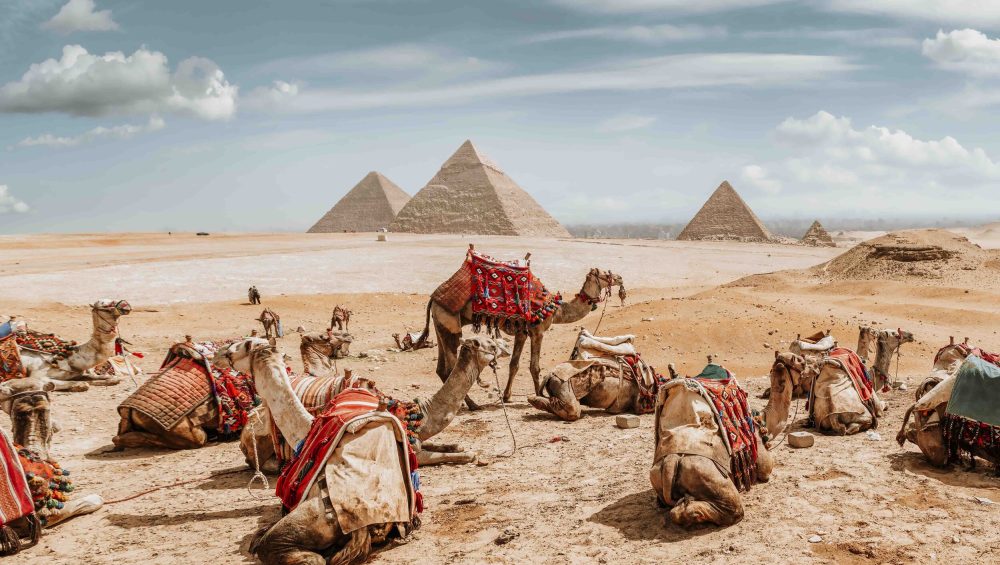
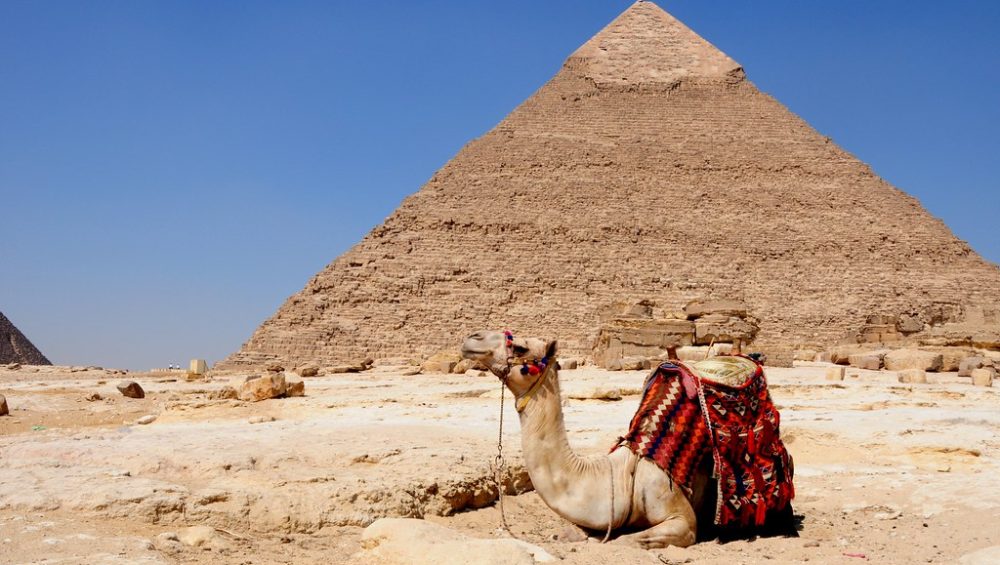
  • Consider a Camel Ride: For a truly memorable experience, a short camel ride can offer unique photo opportunities and a different perspective of the plateau.
  • Go Inside a Pyramid: If you’re not claustrophobic, the experience of entering one of the pyramids is unforgettable. The Great Pyramid, Khafre’s, or Menkaure’s offer access (with separate tickets).

The Giza Pyramids Necropolis is more than just a collection of ancient stones; it’s a vibrant testament to the enduring power of human ambition, faith, and artistic expression. It’s a place where history breathes, and legends come alive.

Embark on your own adventure to Egypt and unlock the timeless mysteries of the Giza Pyramids!

Unearthing Ancient Wonders: A Journey Through the Saqqara Necropolis

Are you fascinated by ancient Egypt? Do you dream of walking in the footsteps of pharaohs and exploring millennia-old mysteries? Then a visit to the Saqqara Necropolis is an absolute must for your Egypt itinerary. Located just south of modern-day Cairo, this sprawling ancient burial ground offers an unparalleled glimpse into the evolution of Egyptian funerary architecture, religious beliefs, and daily life.

Saqqara: More Than Just Pyramids

While the Giza Pyramids capture the imagination with their sheer scale, Saqqara holds a unique significance as the birthplace of pyramid construction. This vast archaeological site served as the primary burial ground for the ancient capital of Memphis for over 3,000 years, from the Early Dynastic Period right through to the Roman era. Its sands conceal a treasure trove of ancient tombs, temples, and monuments, constantly yielding new and astonishing discoveries.

The Icon: Djoser’s Step Pyramid

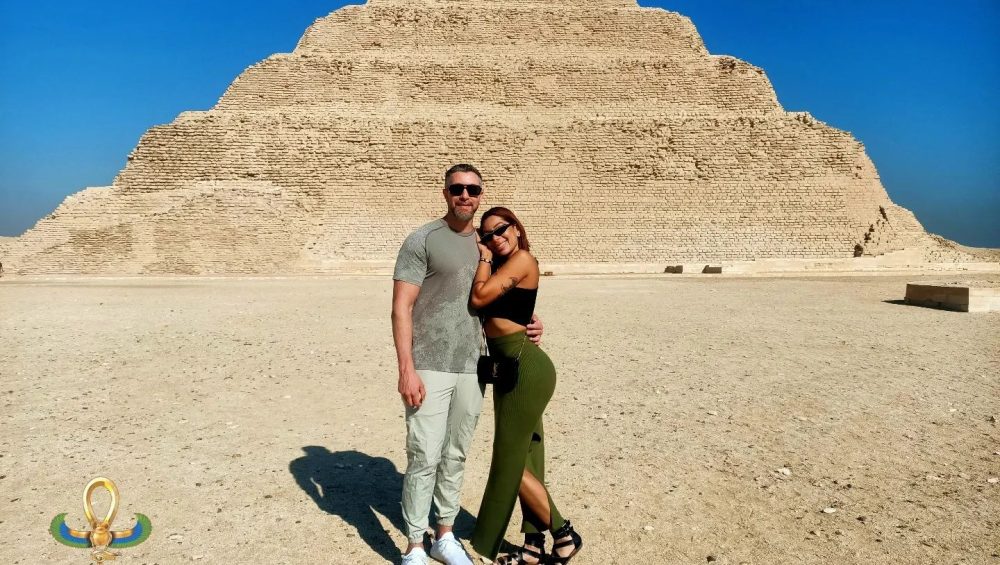
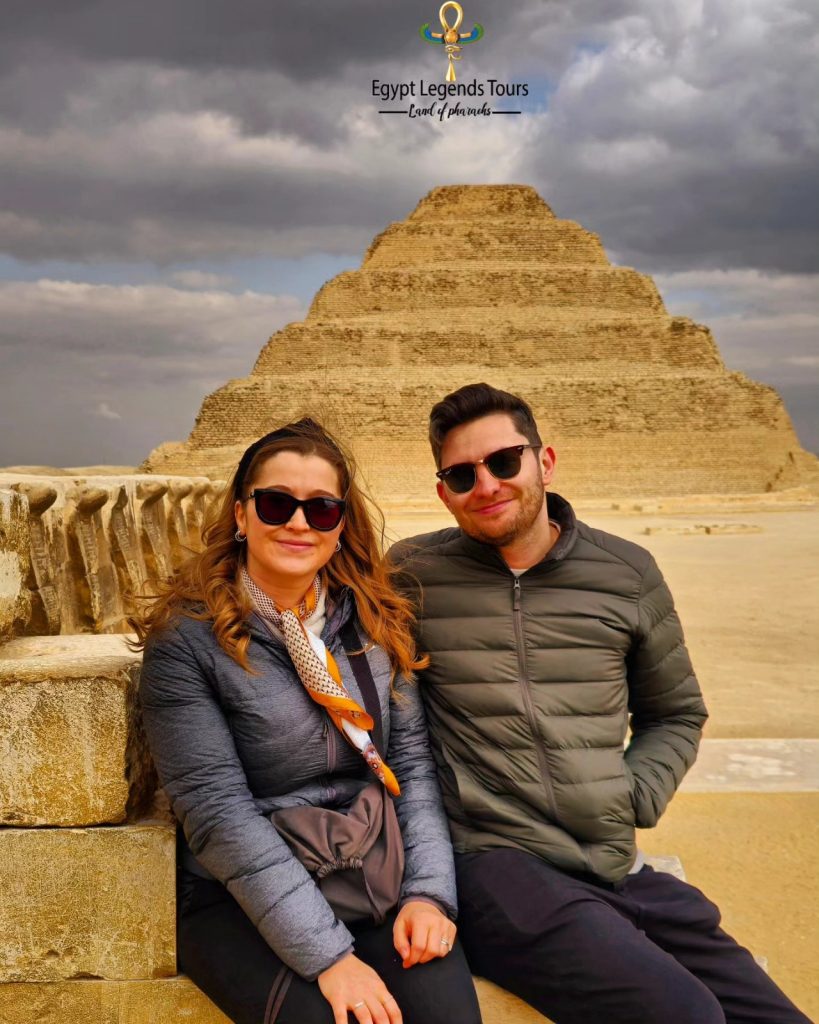
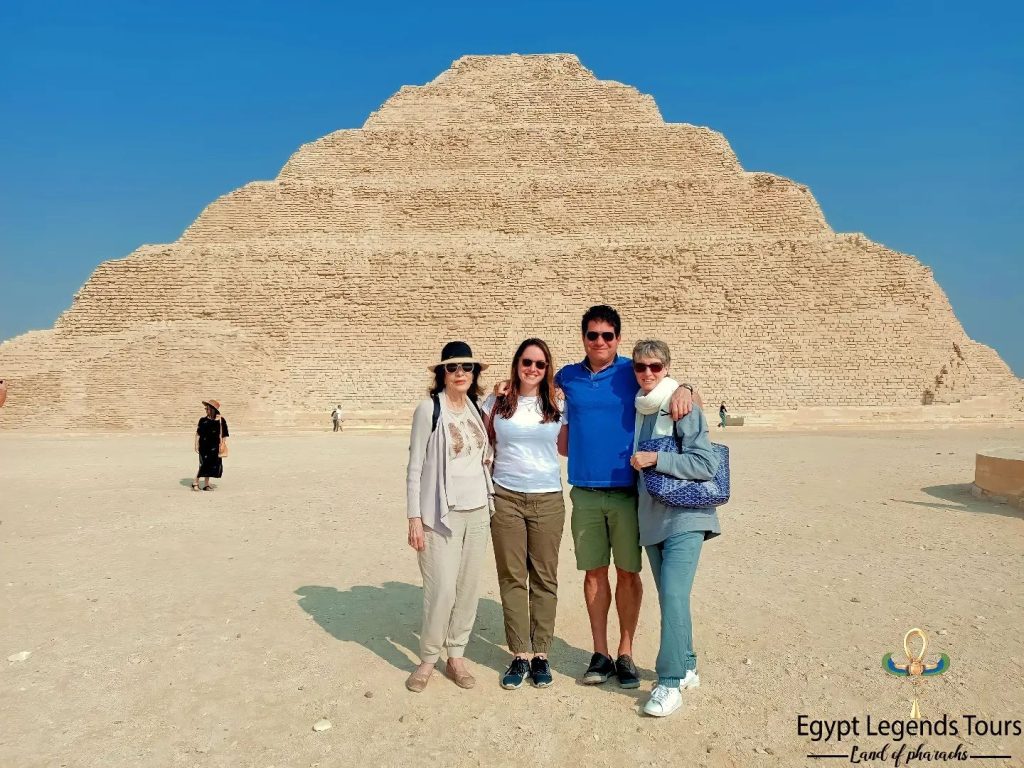
The undisputed star of Saqqara is the Step Pyramid of Djoser, a monumental achievement that forever changed the course of architecture. Designed by the legendary polymath Imhotep in the 27th century BCE, this six-tiered masterpiece is considered the world’s oldest stone building and the very first pyramid ever constructed. It served as the prototype for all subsequent pyramids, including those at Giza and Dahshur, making it a pivotal landmark in human history. Exploring its complex, with its courtyards, chapels, and underground passages, is a truly awe-inspiring experience.

Step Pyramid of Saqqara

Beyond the Royal Tombs: A City of the Dead

Saqqara’s allure extends far beyond the Step Pyramid. The necropolis is home to a myriad of other fascinating sites, each offering a unique window into ancient Egyptian society:

  • Mastaba Tombs: Discover the intricately decorated mastaba tombs of high-ranking officials and nobles. These rectangular, flat-roofed structures are adorned with vibrant hieroglyphics and reliefs depicting scenes of daily life, agricultural practices, religious ceremonies, and the journey to the afterlife. Don’t miss the remarkably preserved Tomb of Ti and the Tomb of Kagemni, renowned for their exquisite artistry.
  • Pyramids of Later Dynasties: While Djoser’s pyramid is the oldest, Saqqara also features pyramids from later dynasties, such as the Pyramid of Unas and the Pyramid of Teti. The interior of Teti’s pyramid is particularly notable for its Pyramid Texts, some of the oldest religious texts known to humankind, carved directly onto the burial chamber walls.
  • The Serapeum: Venture into the enigmatic Serapeum, an underground burial complex for the sacred Apis bulls, believed to be incarnations of the god Ptah. The sheer size of the massive stone sarcophagi housed within these dark tunnels is a testament to the reverence bestowed upon these animals.
  • Imhotep Museum: Before or after your exploration, a visit to the onsite Imhotep Museum provides invaluable context. It showcases artifacts unearthed from Saqqara, offering a deeper understanding of the site’s rich history and archaeological significance.
Step Pyramid of Saqqara

Planning Your Visit to Saqqara

To make the most of your Saqqara tour:

  • Wear Comfortable Shoes: The site is vast, and you’ll be doing a lot of walking on uneven terrain.
  • Stay Hydrated: Egypt’s climate can be hot, so carry plenty of water.
  • Sun Protection: A hat, sunglasses, and sunscreen are essential.
  • Camera Ready: You’ll want to capture the incredible beauty and history of this ancient site.

The Saqqara Necropolis is more than just an archaeological site; it’s a profound journey through time, revealing the enduring legacy of one of the world’s greatest civilizations. From the pioneering Step Pyramid to the intimate details of daily life captured in ancient tombs, Saqqara offers an unforgettable experience for anyone seeking to delve into the heart of ancient Egyptian history.

Ready to explore the mysteries of Saqqara? Start planning your trip to Egypt today!

Unveiling Egypt: A Journey Where Ancient Wonders Meet Modern Marvels

Egypt. The very name conjures images of majestic pyramids, pharaohs, and timeless legends. But beyond the iconic postcards, Egypt is a vibrant, captivating nation that offers an unparalleled travel experience. It’s a place where millennia of history are woven into the fabric of daily life, creating a tapestry rich with culture, adventure, and unparalleled beauty.

If you’ve ever dreamt of walking among giants, sailing the legendary Nile, or diving into crystal-clear waters teeming with marine life, Egypt is calling. Join us as we explore what makes this extraordinary country a truly unforgettable destination.

Stepping Back in Time: The Grandeur of Ancient Egypt

No visit to Egypt is complete without immersing yourself in its astonishing ancient history. The sheer scale and preservation of its monuments are simply breathtaking.


    • The Giza Pyramids & Sphinx: Standing sentinel on the edge of the sprawling desert, these colossal structures are the only remaining wonders of the ancient world. Witnessing the Great Pyramid of Khufu, the Pyramid of Khafre, and the enigmatic Sphinx up close is a humbling experience that transports you thousands of years into the past. Consider a sunrise or sunset visit for truly magical light and fewer crowds.

    • Luxor: The World’s Largest Open-Air Museum: Often called ancient Thebes, Luxor is a treasure trove of temples and tombs. Discover the monumental Karnak Temple Complex, a sprawling city of pillars, obelisks, and sanctuaries. Witness the elegant Luxor Temple, particularly enchanting when illuminated at night. Cross to the West Bank to uncover the mysteries of the Valley of the Kings, where pharaohs like Tutankhamun were laid to rest, and marvel at the unique architecture of Queen Hatshepsut’s Temple.

    • Aswan & The Nile’s Embrace: Further south, Aswan offers a more relaxed pace. Experience the serene beauty of the Nile on a traditional felucca (sailboat), gliding past verdant islands. Visit the beautifully relocated Philae Temple, dedicated to the goddess Isis, and learn about the engineering marvel of the Aswan High Dam. A day trip to the colossal Abu Simbel temples, carved directly into the mountainside by Ramses II, is a magnificent optional excursion that truly showcases ancient Egyptian ambition.

Beyond the Monuments: Culture & Adventure

Egypt isn’t just about ancient stones; it’s a living, breathing country with a vibrant culture and diverse landscapes waiting to be explored.


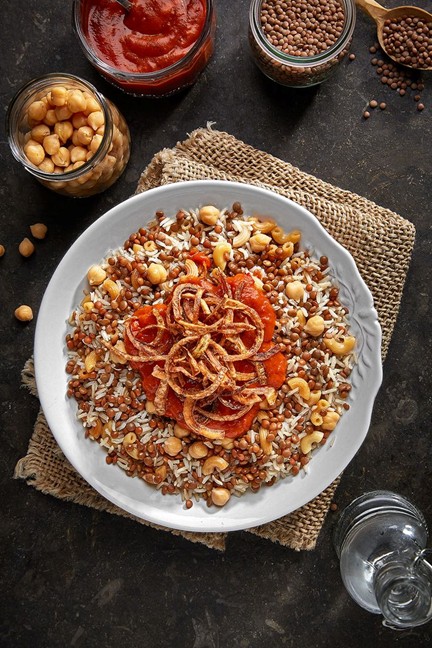
    • A Taste of Egypt: The food scene is a delightful surprise. Dive into a hearty bowl of Koshary, a quintessential Egyptian dish of rice, lentils, pasta, and chickpeas, topped with crispy fried onions and a tangy sauce. Savor Ta’ameya (Egyptian falafel, made from fava beans), enjoy grilled kofta or shawarma, and don’t miss sweet treats like Om Ali (bread pudding). Be sure to sample fresh juices and strong Egyptian tea.

    • Bustling Bazaars & Local Life: Immerse yourself in the sensory overload of a traditional Egyptian souk, like Cairo’s Khan el-Khalili. Practice your bargaining skills, sip mint tea, and soak in the lively atmosphere as artisans craft their wares. Observe daily life unfolding along the Nile banks and in bustling city streets – it’s a fascinating blend of ancient traditions and modern realities.

    • Red Sea Riviera: For those seeking sun, sand, and spectacular marine life, Egypt’s Red Sea coast (Hurghada, Sharm El Sheikh) is a paradise. World-class diving and snorkeling reveal vibrant coral reefs and a kaleidoscope of fish, offering a perfect contrast to the historical exploration.

    • Desert Adventures: For the truly adventurous, the Western Desert holds wonders like the surreal White Desert, with its unique chalk rock formations, or the tranquil Siwa Oasis, a haven of palm groves and hot springs.

Planning Your Egyptian Odyssey: Essential Tips


    • Best Time to Visit: The cooler months from October to April offer the most comfortable temperatures for exploring historical sites. While summer (May-September) is hot, it means fewer crowds and often lower prices.

    • Getting Around: Domestic flights are efficient for covering long distances. Nile cruises are a popular and relaxing way to see many key sites between Luxor and Aswan. In major cities, ride-sharing apps like Uber and Careem are convenient and affordable.

    • Cultural Etiquette: Egyptians are renowned for their hospitality. Dressing modestly, especially when visiting religious sites, is appreciated. While tipping (or “baksheesh”) is common, it’s a part of the culture to show appreciation for services. Always ask for permission before taking photos of individuals.

    • Safety: Egypt is a welcoming destination for tourists. By traveling with reputable operators, staying aware of your surroundings, and following local guidance, you can enjoy a safe and enriching trip.

Your Egyptian Dream Awaits

Egypt is a destination that truly stirs the soul. It’s a journey that combines the profound awe of ancient civilizations with the vibrant energy of contemporary life. From the iconic pyramids to the serene Nile, the bustling bazaars to the tranquil desert oases, every moment promises discovery.

Are you ready to write your own chapter in Egypt’s timeless story?


Top Traditional Egyptian Dishes To Try: A Culinary Journey Through the Land of Pharaohs

Beyond the awe-inspiring pyramids and ancient temples, Egypt offers another incredible adventure: a culinary journey that tantalizes the taste buds and speaks volumes about its vibrant culture. Egyptian cuisine is a delicious tapestry woven from its rich history, agricultural bounty, and a generous spirit of hospitality.

Prepare to discover a world of hearty, flavorful, and incredibly satisfying dishes that are deeply ingrained in the Egyptian way of life. Here are some of the top traditional Egyptian dishes you absolutely must try to truly savor the essence of this captivating country.

Beyond the awe-inspiring pyramids and ancient temples, Egypt offers another incredible adventure: a culinary journey that tantalizes the taste buds and speaks volumes about its vibrant culture. Egyptian cuisine is a delicious tapestry woven from its rich history, agricultural bounty, and a generous spirit of hospitality.

Prepare to discover a world of hearty, flavorful, and incredibly satisfying dishes that are deeply ingrained in the Egyptian way of life. Here are some of the top traditional Egyptian dishes you absolutely must try to truly savor the essence of this captivating country.

I. The Unmissable Staples: National Icons

  1. Koshary: The undisputed national dish. A delightful medley of rice, macaroni, and lentils, crowned with spicy tomato sauce, garlic vinegar, and crispy fried onions. A must-try.
  2. Ful Medames: The beloved breakfast staple. Slow-cooked fava beans, seasoned with olive oil, cumin, and lemon juice, served with aish baladi (flatbread).
  3. Aish Baladi (Egyptian Flatbread): The omnipresent accompaniment to almost every meal. Soft, puffy, and baked fresh, it’s perfect for scooping.

II. Breakfast Delights: Starting Your Day the Egyptian Way

  1. Ful Iskandarani: Ful Medames with a spicy kick, often including green peppers and chili.
  2. Ful Bel Zayt El Hār: Ful Medames infused with hot chili oil.
  3. Ful Bel Beid: Ful Medames served with a fried or boiled egg.
  4. Ful Bel Samna: Ful Medames cooked with clarified butter for richness.
  5. Ta’ameya (Egyptian Falafel): Made from crushed fava beans (not chickpeas!), these crispy, herb-filled fritters are a breakfast and street food favorite.
  6. Fiteer Meshaltet (Sweet Breakfast/Dessert): Flaky, layered pastry often served with honey, cheese, or molasses for breakfast.
  7. Shakshouka: Eggs poached in a rich tomato sauce, often spiced with cumin and paprika.
  8. Batates Ma’liya (Egyptian Fries): Crispy fried potatoes, a popular side with breakfast or street food.
  9. Gibna Qareesh (Egyptian Cottage Cheese): Simple, fresh white cheese, often served with tomatoes and olive oil.
  10. Labneh: Thick, creamy strained yogurt, sometimes drizzled with olive oil and za’atar.

III. Street Food Gems: Quick Bites & Flavorful Eats

  1. Hawawshi: A spiced minced meat mixture baked inside a baladi bread, creating a delicious and hearty Egyptian meat pie.
  2. Shawarma: Thinly sliced marinated meat (chicken or beef) cooked on a vertical rotisserie, served in aish baladi with tahini and pickles.
  3. Kebab: Succulent pieces of grilled lamb or beef, often marinated with spices and served with bread and salads.
  4. Kofta: Spiced minced meat skewers, grilled to perfection and incredibly juicy.
  5. Kebda Eskandarani (Alexandrian Liver): Spicy pan-fried liver, usually beef, seasoned with chili, bell peppers, and cumin, served in crusty bread rolls. A true Alexandrian specialty.
  6. Suguk (Sausages): Spicy Egyptian sausages, often pan-fried with peppers and tomatoes, served in sandwiches.
  7. Basbousa: A sweet semolina cake soaked in simple syrup, often flavored with orange blossom water and topped with a single almond.
  8. Roz bil Laban: Creamy Egyptian rice pudding, served chilled, often topped with cinnamon, nuts, or ice cream.
  9. Zalabya: Golden, crispy fried dough balls, typically drenched in honey syrup.
  10. Torshi: A vibrant assortment of pickled vegetables (cabbage, carrots, cucumbers, turnips), served as a tangy accompaniment to many dishes.

IV. Hearty Main Courses: From Family Feasts to Fine Dining

  1. Fattah: A celebratory dish, especially for Eid. Layers of rice, crispy aish baladi, and tender lamb or beef, all drenched in a garlicky tomato sauce and vinegar.
  2. Hamam Mahshi: Whole pigeons stuffed with spiced rice or fereek (cracked wheat) and roasted or grilled. A delicacy often enjoyed at special occasions.
  3. Molokhia: The distinct green soup made from minced jute mallow leaves, cooked with garlic, coriander, and broth, often served with rabbit, chicken, or rice.
  4. Farakh Mashwiya (Grilled Chicken): Marinated and perfectly grilled whole or half chicken, tender and flavorful.
  5. Samak Mashwi (Grilled Fish): Fresh fish, often from the Red Sea or the Nile, simply grilled with herbs and spices.
  6. Sayadeya: A traditional fish and rice dish, where the rice is cooked with caramelized onions for a distinct brown color and rich flavor, then topped with baked or fried fish.
  7. Bamia (Okra Stew): Tender okra cooked in a rich tomato sauce with cubes of meat (usually lamb or beef), served with rice.
  8. Torly: A flavorful mixed vegetable stew, typically including potatoes, carrots, zucchini, peas, and tomatoes, often cooked with meat.
  9. Roz Me’ammar: Baked rice casserole made with rice, milk, butter, and often cream or chicken, baked in an earthenware pot until golden and fragrant.
  10. Macarona Bechamel: Egypt’s answer to baked mac and cheese, featuring layers of penne pasta, minced meat, and a creamy béchamel sauce, baked until golden.
  11. Kofta bel Batates: Kofta meatballs cooked in a savory tomato sauce with potatoes.

V. Vegetarian & Vegan Delights (Beyond Koshary & Ta’ameya)

  1. Bessara: A creamy, savory dip or soup made from puréed fava beans, flavored with herbs and garlic, served with bread.
  2. Kawarea: While traditionally meat-based, the vegetable stews and variations of Mahshi offer plenty for non-meat eaters.

VI. Soups, Salads & Sides

  1. Shorbet Lesan El Asfour: A light and comforting orzo soup, often made with chicken or meat broth.
  2. Shorbet Adas: Hearty and nutritious lentil soup, often served with lemon and toasted bread.
  3. Salata Baladi: A refreshing Egyptian salad made with finely diced tomatoes, cucumbers, onions, and peppers, dressed with lemon juice, oil, and herbs.
  4. Tahini: A creamy sesame paste dip, often served as a condiment with grilled meats and falafel.
  5. Baba Ghanoush: A smoky and creamy dip made from roasted eggplant, tahini, garlic, and lemon juice.

VII. Sweet Indulgences: Desserts & Beverage

  1. Konafa: A shredded phyllo pastry dessert, filled with cheese or nuts, baked until golden and drenched in sweet syrup.
  2. Om Ali: A decadent Egyptian bread pudding made with puff pastry, milk, nuts, and coconut, baked until golden.
  3. Ghorayeba: Delicate, melt-in-your-mouth shortbread cookies, perfect with tea.
  4. Kahk: Traditional butter cookies, often filled with dates or nuts, especially popular during Eid celebrations.
  5. Karkadeh (Hibiscus Tea): A refreshing and vibrant red drink, served hot or cold.
  6. Tamr Hindi (Tamarind Juice): A sweet and tangy cold drink, especially popular during Ramadan.
  7. Kharroub (Carob Juice): A dark, sweet, and earthy cold beverage.
  8. Aseer Asab (Sugarcane Juice): Freshly pressed, incredibly sweet, and refreshing.
  9. Shai (Egyptian Tea): Strong, sweet black tea, a fundamental part of Egyptian hospitality.

This extensive list is just a starting point for the incredible culinary journey that awaits you in Egypt. Each dish tells a story, offering a unique glimpse into the country’s soul and hospitality. So, come hungry and ready to savor the rich flavors of this ancient land!

Ready to embark on a delicious adventure through Egypt?

The Heart of Egypt: A Journey Through Its Vibrant Culture

Egypt is undeniably home to some of the world’s most iconic ancient wonders. But to truly experience this captivating land, one must look beyond the monumental temples and tombs and delve into the vibrant tapestry of its living culture. Egyptian culture is a fascinating blend of ancient traditions, deeply rooted customs, and a warm, resilient spirit that has evolved over millennia.

Join us as we explore the heart and soul of Egypt, offering insights into its hospitality, traditions, and the daily life that makes this country so uniquely charming.

Warmth & Generosity: The Soul of Egyptian Hospitality (Karam)

One of the most striking aspects of Egyptian culture is its profound sense of hospitality, known as ‘Karam’. Visitors often speak of the genuine warmth and generosity extended by locals.

  • Invites for Tea: Don’t be surprised if you’re offered a cup of hot, sweet tea (shai) by a shopkeeper, a taxi driver, or even a casual acquaintance. It’s a gesture of welcome and friendship, and accepting it with a smile is a wonderful way to connect.
  • A Helping Hand: Egyptians are often eager to assist, whether you’re lost, looking for a specific item, or just need advice. A polite “Shukran” (thank you) goes a long way.
  • Family First: Family is the cornerstone of Egyptian society. You’ll observe close-knit family units, strong community bonds, and a deep respect for elders.


Faith & Festivals: Shaping Daily Life

Religion plays a significant role in Egyptian life, with the majority being Muslim and a substantial Christian minority (Coptic Orthodox). This strong faith influences daily routines, customs, and celebrations.

  • Calls to Prayer: In predominantly Muslim areas, you’ll hear the beautiful calls to prayer (azhan) five times a day, creating an atmospheric backdrop to city life.
  • Religious Sites: Respectful dress (shoulders and knees covered, headscarf for women in mosques) is essential when visiting religious sites. Removing shoes before entering mosques is also customary.
  • Festivals: Major religious holidays like Eid al-Fitr and Eid al-Adha are times of great celebration, feasting, and family gatherings, offering a vibrant glimpse into local traditions.

The Flavors of Egypt: Food as a Social Experience

Egyptian cuisine is hearty, flavorful, and deeply communal. Food isn’t just sustenance; it’s an experience shared with family and friends.

  • Street Food Culture: Don’t shy away from the vibrant street food scene! Try Koshary, a delightful mix of rice, pasta, lentils, chickpeas, and a tangy tomato sauce. Sample crispy Ta’ameya (Egyptian falafel made from fava beans), and savor fragrant street grilled meats.
  • Mint Tea & Coffee: These are social lubricants. Egyptians love to gather over a glass of sweet mint tea or a strong Turkish coffee. It’s an invitation to relax, chat, and connect.
  • Shared Meals: If you’re fortunate enough to be invited to an Egyptian home, prepare for a feast. Meals are often served on large communal platters, emphasizing sharing and togetherness.

Sounds & Rhythms: Music, Dance & Language

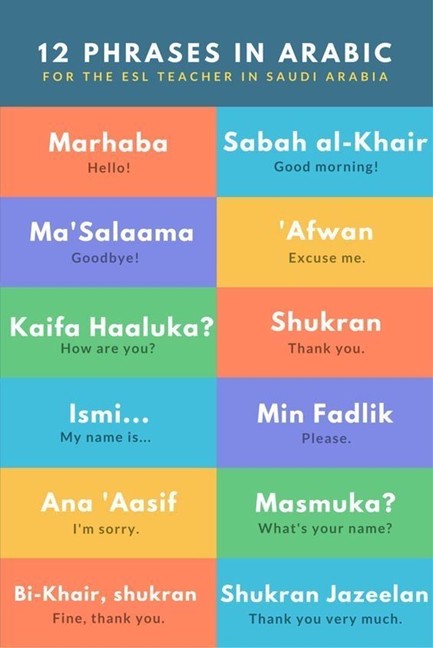
  • Arabic Language: While English is widely spoken in tourist areas, learning a few basic Arabic phrases like “Salam Alaikum” (hello/peace be upon you) and “Shukran” (thank you) will be genuinely appreciated.
  • Traditional Music: Listen for the sounds of traditional instruments like the oud (lute) and tabla (drum) that fill the air in cafes and local gatherings. Folkloric dance, like the whirling dervishes or traditional belly dance, also has deep roots.

Navigating Culture: Tips for Respectful Immersion

  • Dress Modestly: As mentioned, dressing respectfully in religious sites and more conservative areas shows respect for local customs.
  • Bargain Gracefully: In markets, bargaining is a cultural dance, not a confrontation. Approach it with humor and patience.
  • Right Hand Rule: When eating or shaking hands, use your right hand, as the left is traditionally considered unclean.
  • Observe and Learn: Pay attention to how locals interact. A smile, a nod, and an open mind are your best tools for positive cultural exchange.

Experiencing Egypt’s culture is as enriching as exploring its ancient wonders. It’s in the bustling energy of Cairo, the serene pace of the Nile, the warmth of its people, and the delicious flavors of its cuisine. When you connect with the heart of Egypt, your journey transforms from a simple sightseeing trip into a profound cultural adventure.

Ready to immerse yourself in the vibrant culture of Egypt?

Navigating Egypt: Essential Tips for a Seamless Adventure

Egypt is a land of unparalleled history and vibrant culture, promising an unforgettable journey. But like any international destination, a little preparation goes a long way. To help you make the most of your adventure, we’ve compiled our top travel tips for a smooth, enjoyable, and truly immersive experience.

Before You Go: Planning Essentials

  • Visa Requirements: Most nationalities require a visa to enter Egypt. You can often obtain an e-Visa online before you travel, which is the most convenient option. Alternatively, a visa-on-arrival is available at major airports for many nationalities, but applying beforehand saves time upon arrival. Always check the latest requirements for your specific nationality well in advance of your trip.
  • Best Time to Visit: The ideal time to explore Egypt is during the cooler months, from October to April. Temperatures are pleasant for sightseeing, especially in Upper Egypt (Luxor and Aswan). The summer months (May to September) can be very hot, but also mean fewer crowds and potentially lower prices.
  • Pack Smart & Light: Think modesty and comfort. Lightweight, breathable fabrics like cotton and linen are ideal. Pack layers, as evenings can be cooler, especially in the desert.
    • For Women: Loose-fitting clothing that covers shoulders and knees is recommended, especially when visiting religious sites. A scarf is also handy for covering your head when entering mosques.
    • For Men: Shorts are generally acceptable in tourist areas, but longer trousers are more respectful for religious sites and evenings.
    • Essentials: Don’t forget a wide-brimmed hat, sunglasses, high-SPF sunscreen, comfortable walking shoes, and any personal medications. A universal travel adapter is crucial.

Money & Mementos: Navigating Local Commerce

  • Currency: The local currency is the Egyptian Pound (EGP). While credit cards are accepted in major hotels and larger shops, cash is essential for smaller purchases, local markets, and tipping.
  • ATMs: You’ll find ATMs widely available in cities and tourist hubs. Inform your bank of your travel plans to avoid any issues with card usage.
  • Tipping (Baksheesh): Tipping is an integral part of Egyptian culture. A small tip (baksheesh) is expected for almost every service – from baggage handlers and restroom attendants to guides and drivers. Carry small denominations of Egyptian Pounds for this purpose.
  • Bargaining: In local markets like Cairo’s Khan el-Khalili, bargaining is expected and part of the fun! Start with an offer significantly lower than the asking price and negotiate politely and with a smile. It’s an art form, so enjoy the process!

Health & Safety: Staying Well and Secure

  • Stay Hydrated: The Egyptian sun is strong! Drink plenty of bottled water throughout the day to avoid dehydration. Avoid tap water.
  • Food Savvy: Embrace Egyptian cuisine, but be mindful. Stick to cooked foods, peel fruits, and opt for busy restaurants where food turnover is high. Street food can be delicious, but choose vendors with a high volume of local customers.
  • Sun Protection: Sunburn can quickly ruin your trip. Always use high-SPF sunscreen, wear a hat, and seek shade during the hottest parts of the day.
  • Respectful Photography: Always ask for permission before taking photos of individuals, especially women and children. Be discreet and respectful. Avoid photographing military installations, government buildings, or bridges.
  • Guides & Drivers: When booking tours or transportation, use reputable tour operators and licensed guides/drivers. This ensures safety, expertise, and a smoother experience.

Cultural Immersion: Connecting with Egypt

  • Embrace the Pace: Life in Egypt, especially in local areas, moves at its own rhythm. Patience and flexibility will enhance your experience.
  • Local Hospitality: Egyptians are famously warm and welcoming. Don’t be surprised if locals offer you tea or engage in friendly conversation. Embrace these interactions – they are often among the most memorable parts of the trip.
  • Dress Modestly: While tourist areas are more lenient, dressing respectfully, particularly when visiting mosques, churches, or smaller villages, shows appreciation for local customs.
  • Learn a Few Phrases: “Shukran” (thank you), “Merhaba” (hello), and “Insha’Allah” (God willing) can go a long way in building rapport.

Egypt is an incredible country, and with these tips in your pocket, you’re well-prepared for an adventure of a lifetime. The ancient wonders await, ready to captivate your imagination and create stories you’ll cherish forever.

Ready to plan your Egyptian adventure?