
When people envision Cairo, images of bustling bazaars, ancient mosques, and the majestic Nile often come to mind. But just beyond the historic city walls, nestled beneath the Mokattam Hills, lies a truly unique and often misunderstood part of its fabric: the Cairo Necropolis, more famously known as the City of the Dead (Al-Qarafa). This vast, sprawling series of Islamic-era cemeteries is far more than just a burial ground; it’s a vibrant, living community, a testament to centuries of Egyptian history, culture, and resilience.
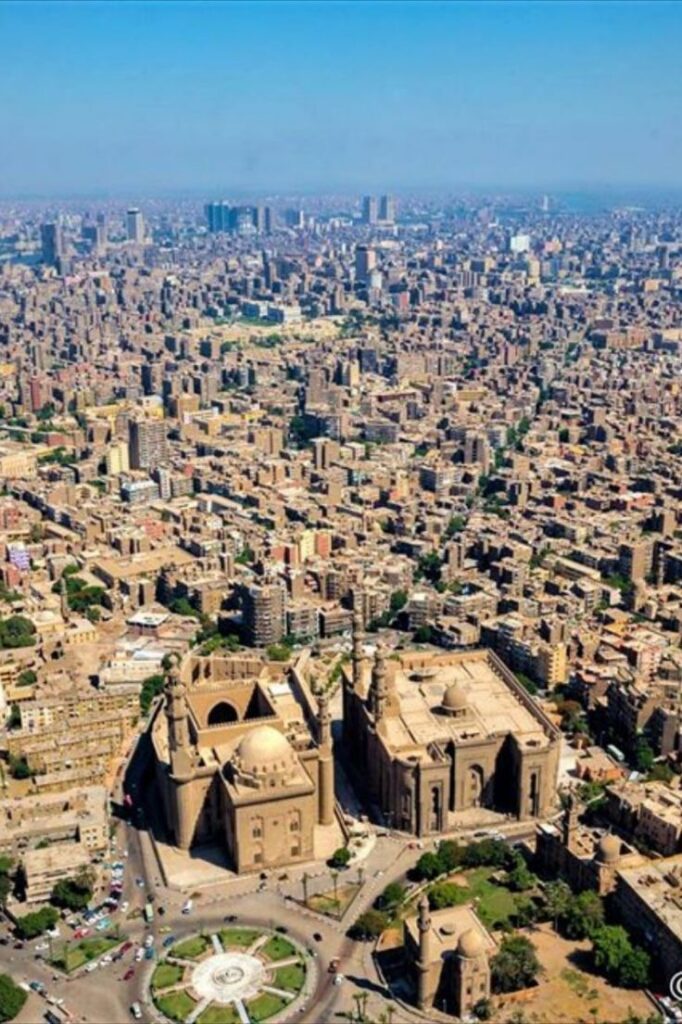
More Than Just Tombs: A Unique Urban Landscape
Unlike the ancient Egyptian necropolises of Giza or Saqqara, which are primarily archaeological sites, the City of the Dead is a functioning cemetery where the living and the deceased coexist in an extraordinary way. For generations, due to housing shortages and economic realities, families have built homes within and around the elaborate mausoleums and tombs of their ancestors. This creates a fascinating blend of solemn remembrance and everyday life, where children play amidst historic monuments and families gather in the courtyards of their departed loved ones.
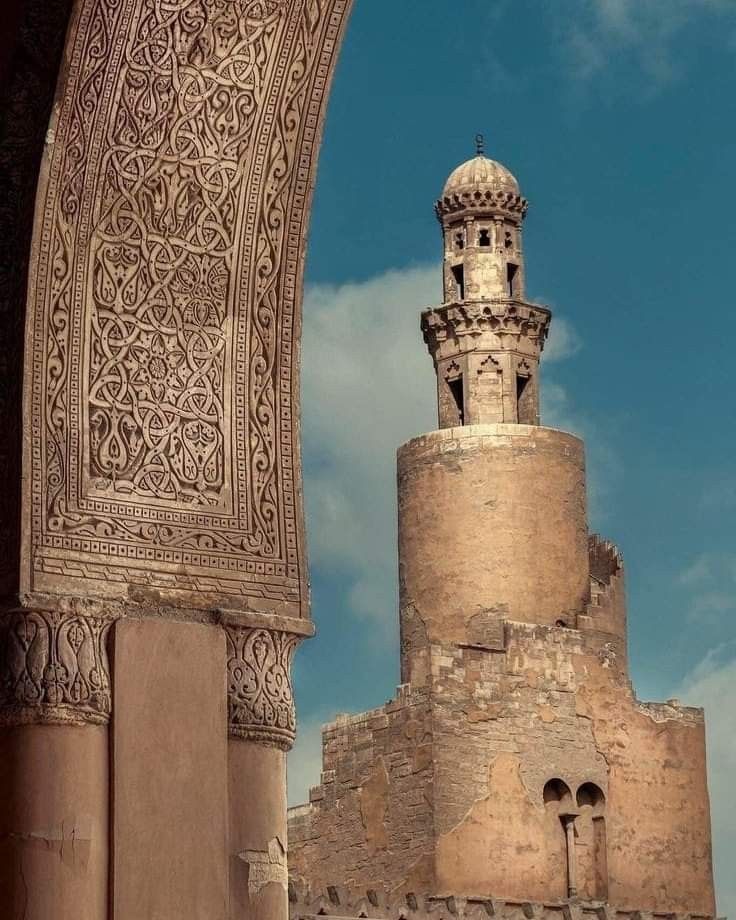
A Journey Through Islamic History
The Cairo Necropolis dates back to the 7th century, founded shortly after the Arab conquest of Egypt. Over more than a thousand years, it has continuously expanded, becoming the final resting place for countless Egyptians, from common citizens to revered scholars, influential rulers, and prominent figures of various Islamic dynasties. The necropolis is broadly divided into two main sections:
The Northern Cemetery: This area is particularly rich in Mamluk-era monuments, showcasing some of the most exquisite Islamic architecture in Cairo. You’ll find grand funerary complexes, mosques, and khanqahs (Sufi lodges) that reflect the artistic and religious fervor of the Mamluk sultans. Key highlights include:
The Funerary Complex of Sultan Qaytbay: A masterpiece of Mamluk architecture, renowned for its intricate dome, minaret, and beautiful carved stone work.
The Khanqah of Faraj ibn Barquq: Another magnificent Mamluk complex featuring two impressive domes.
Various mausoleums of Emirs and high-ranking officials, each telling a story through its design and inscriptions.
The Southern Cemetery: This older section of the necropolis dates back to the early Islamic period and holds immense religious significance. It contains the tombs of many revered figures, including descendants of the Prophet Muhammad and prominent Islamic scholars.
The Mausoleum of Imam al-Shafi’i: One of the most important landmarks, dedicated to the founder of the Shafi’i school of thought in Sunni Islam. Its impressive dome is a significant example of Ayyubid architecture.
Hosh al-Basha: The grand family mausoleum of Muhammad Ali Pasha and his dynasty, reflecting a later Ottoman and European influence in its design.
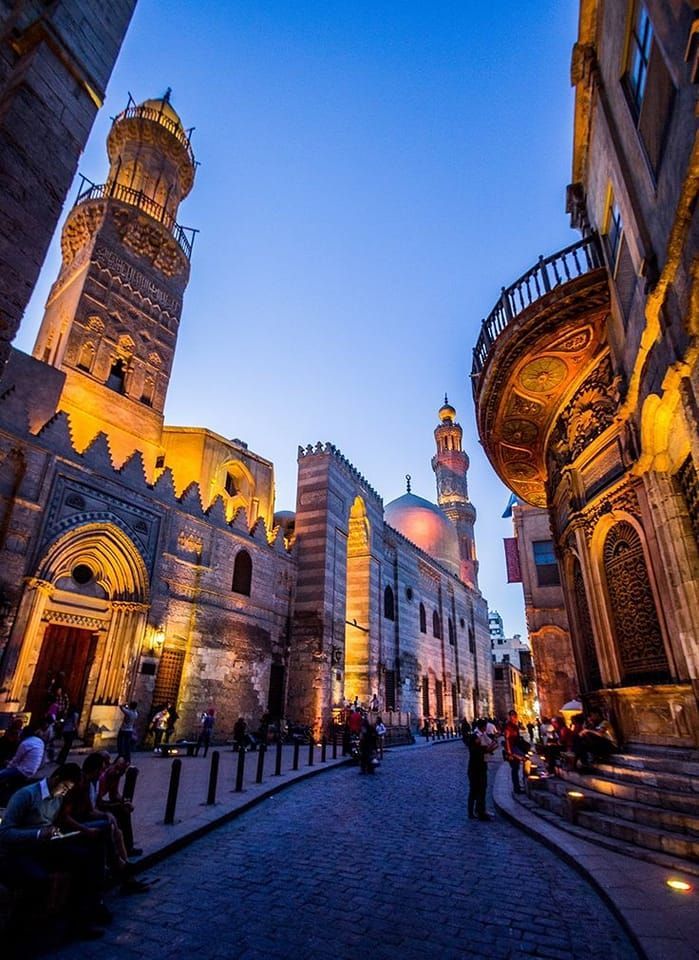
Why Discover the City of the Dead?
A tour of the Cairo Necropolis offers a truly unique and profound experience for travelers seeking:
- Authentic Cultural Immersion: Witness a unique way of life where historical reverence and daily living are intertwined.
- Architectural Gems: Discover centuries of Islamic architectural styles, from early Islamic simplicity to the ornate grandeur of the Mamluk period.
- Historical Insights: Gain a deeper understanding of Egypt’s rich Islamic history, beyond the pharaonic era.
- Unique Photography Opportunities: Capture the compelling contrasts between ancient monuments and modern life.
- Off-the-Beaten-Path Experience: Discover a less conventional but deeply rewarding side of Historic Cairo.
Tips for Visiting the Cairo Necropolis:
- Respectful Conduct: Remember this is a living community and a sacred burial ground. Dress modestly, be mindful of residents, and ask permission before taking close-up photos of people.
- Timing: Daytime visits are best for safety and to fully appreciate the architecture.
- Comfortable Footwear: You’ll be doing a lot of walking on unpaved paths and uneven surfaces.
The Cairo Necropolis, or City of the Dead, is a powerful reminder that history is not just confined to museums or ruins; it lives and breathes within the vibrant tapestry of urban life. It’s a place that challenges perceptions and offers a poignant, unforgettable glimpse into the soul of Egypt.