
Alexandria Echoes of Cleopatra and a Mediterranean Soul

Stepping into Alexandria, Egypt’s second-largest city, is like entering a different chapter of Egyptian history. Unlike the pharaonic grandeur of Luxor or the Islamic splendor of Cairo, Alexandria whispers tales of Hellenistic queens, Roman emperors, and a vibrant cosmopolitan past. Known affectionately as the “Bride of the Mediterranean,” Alexandria offers a unique blend of ancient heritage, a refreshing sea breeze, and a distinctly European charm.

For travelers seeking a different side of Egypt, one rich with Greco-Roman history, intellectual legacy, and a relaxed coastal vibe, Alexandria is an indispensable part of your journey.
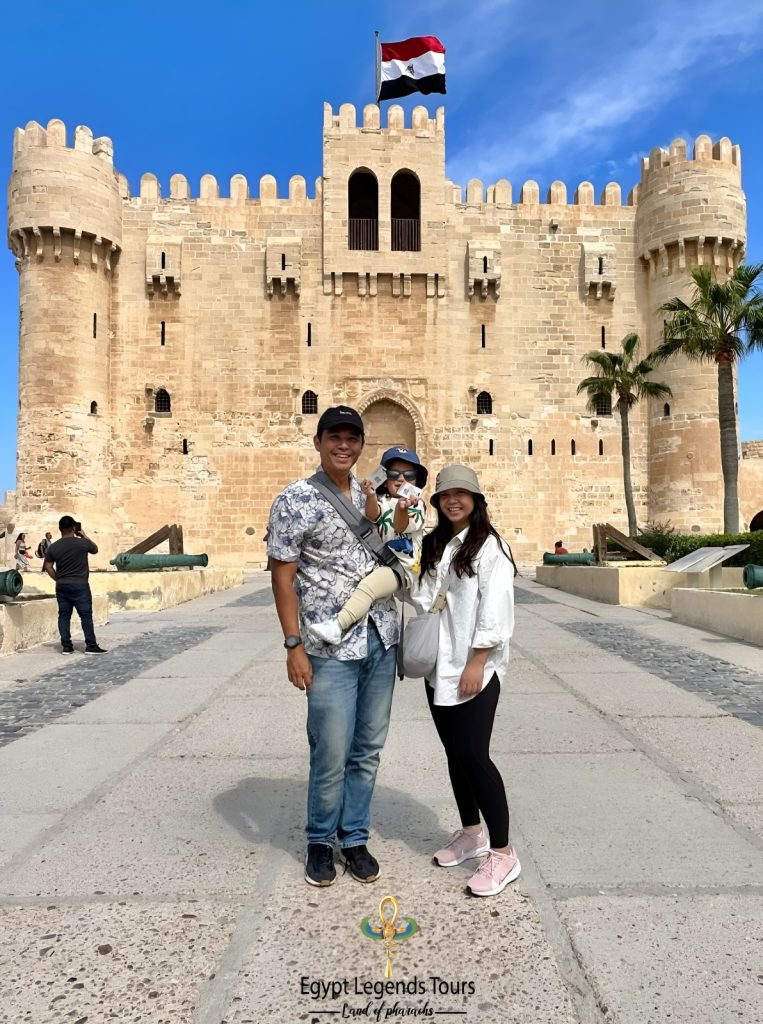
Qaitbay (Citadel of Qaitbay)

A Legacy of Brilliance: Ancient Wonders and Modern Marvels

Founded by Alexander the Great in 331 BCE, Alexandria quickly rose to prominence as a beacon of learning and culture in the ancient world. It was home to the legendary Library of Alexandria and the towering Pharos Lighthouse, one of the Seven Wonders of the Ancient World. While these colossal structures are now lost to history, their spirit lives on in the city’s modern attractions and archaeological sites.

Bibliotheca Alexandrina (The New Library of Alexandria): A magnificent architectural marvel, the Bibliotheca Alexandrina stands as a modern homage to its ancient predecessor. This colossal cultural complex is far more than just a library; it houses museums, art galleries, a planetarium, and various research centers, making it a vibrant hub of knowledge and a powerful symbol of Alexandria’s intellectual revival.

Fort Qaitbay (Citadel of Qaitbay): Standing proudly on the site of the ancient Pharos Lighthouse, Fort Qaitbay is a 15th-century Mamluk fortress. Exploring its ramparts offers stunning panoramic views of the Mediterranean Sea and provides a glimpse into Alexandria’s maritime defense history. You can almost feel the echoes of ancient mariners navigating these famous waters.

Catacombs of Kom el-Shuqqafa: Descend into the fascinating Catacombs of Kom el-Shuqqafa, a sprawling underground necropolis dating back to the 2nd century AD. This unique funerary site beautifully blends ancient Egyptian, Greek, and Roman artistic styles, showcasing the multiculturalism of ancient Alexandria. Elaborate tombs, statues, and intricate reliefs tell stories of a city where diverse cultures intertwined.

Pompey’s Pillar & Serapeum: This towering Roman column, standing at an impressive 27 meters, dominates the ruins of the ancient Serapeum temple complex. Erected in honor of Emperor Diocletian, the pillar is a monumental remnant of Alexandria’s Roman era and offers a glimpse into a once-grand temple dedicated to the god Serapis.

Roman Amphitheatre (Kom el-Dikka): Discovered by chance in the 1960s, the Roman Amphitheatre at Kom el-Dikka is a well-preserved testament to Roman entertainment and urban planning in Alexandria. Its marble seating tiers and mosaic floors provide a direct connection to the daily life of the city’s ancient inhabitants.
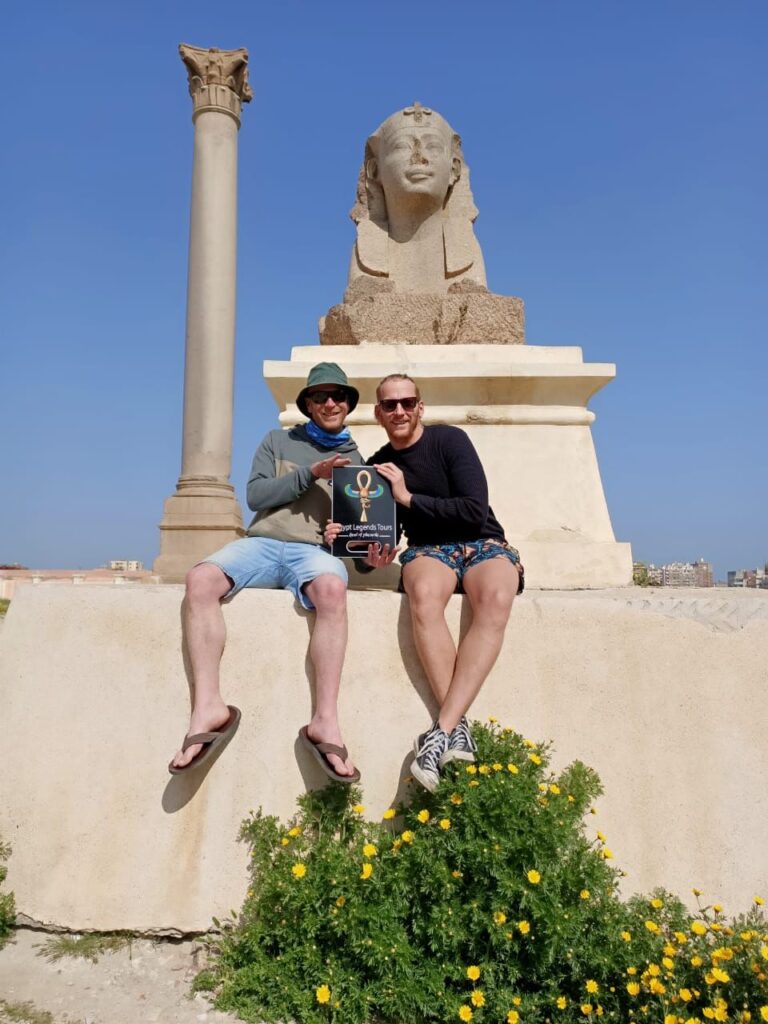
Pompey’s Pillar & Serapeum

A Coastal Vibe: Modern Charms and Relaxation

Beyond its profound historical layers, Alexandria offers a delightful Mediterranean ambiance perfect for relaxation and enjoying the sea.

Alexandria Corniche: Take a leisurely stroll along the picturesque Alexandria Corniche, the city’s iconic waterfront promenade. Lined with palm trees, historic buildings, and charming cafes, it’s the perfect place to enjoy the sea breeze, watch the fishing boats, and soak in the vibrant atmosphere.

Montazah Palace Gardens: Discover the sprawling Montazah Palace Gardens, once the summer residence of Egypt’s royal family. These lush, beautifully landscaped gardens offer a serene escape, complete with walking paths, scenic views of the palace (now a public museum), and access to tranquil beaches.

Royal Jewelry Museum: Housed in a stunning former palace, the Royal Jewelry Museum showcases an opulent collection of jewelry, ornaments, and decorative arts belonging to Egypt’s royal family from the 19th and 20th centuries. It’s a dazzling display of wealth and craftsmanship.

Local Cuisine: Indulge in Alexandria’s renowned seafood, influenced by its Mediterranean heritage. Fresh fish and local specialties are a highlight of the city’s culinary scene.
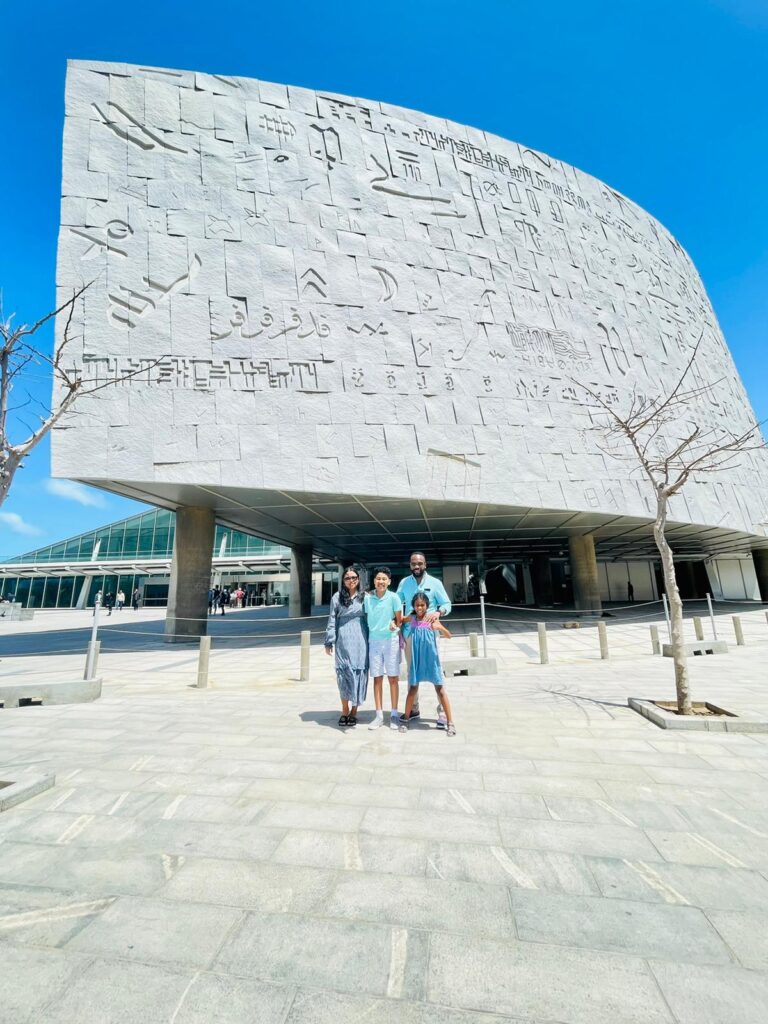
Bibliotheca Alexandrina (The New Library of Alexandria)

Planning Your Alexandria Experience:

Best Time to Visit: The cooler months from March to June (Spring) and September to November (Autumn) offer the most pleasant weather for exploring Alexandria’s outdoor sites, avoiding the intense summer heat.

Transportation: Alexandria is easily accessible from Cairo by train or private car (approximately 2.5-3 hours drive). Many travelers opt for a day trip to Alexandria from Cairo, though an overnight stay allows for a more relaxed exploration.

Alexandria is a city that defies easy categorization. It’s where the echoes of ancient scholars mingle with the sounds of the Mediterranean, and where the layers of Egyptian, Greek, Roman, and modern history are palpable at every turn. It offers a unique and enriching perspective on Egypt’s diverse heritage.

Discover the timeless allure of the “Bride of the Mediterranean” – plan your unforgettable trip to Alexandria today!

Aswan Egypt’s Serene Gateway to the South

Nestled on the banks of the majestic Nile River, approximately 850 kilometers south of Cairo, lies Aswan, a city that exudes tranquility, natural beauty, and a captivating blend of ancient history and vibrant local culture. Often referred to as Egypt’s most beautiful city, Aswan offers a refreshing change of pace from the bustling metropolises of Luxor and Cairo, inviting visitors to slow down, soak in the stunning landscapes, and explore its unique historical treasures.

For anyone planning an Egypt tour or Nile River cruise, Aswan is an essential and unforgettable stop, serving as a gateway to both magnificent ancient sites and the serene rhythms of Nubian life.

River Nile , Aswam

The Charm of Aswan: Beyond the Monuments

What sets Aswan apart is its unique ambiance. The Nile here flows gently, dotted with picturesque feluccas (traditional sailboats) and verdant islands. The air is often clearer, and the pace of life feels more relaxed. This southern city has a distinct Nubian character, evident in its colorful villages, warm hospitality, and vibrant local markets.

Must-See Historical and Cultural Sites in Aswan:

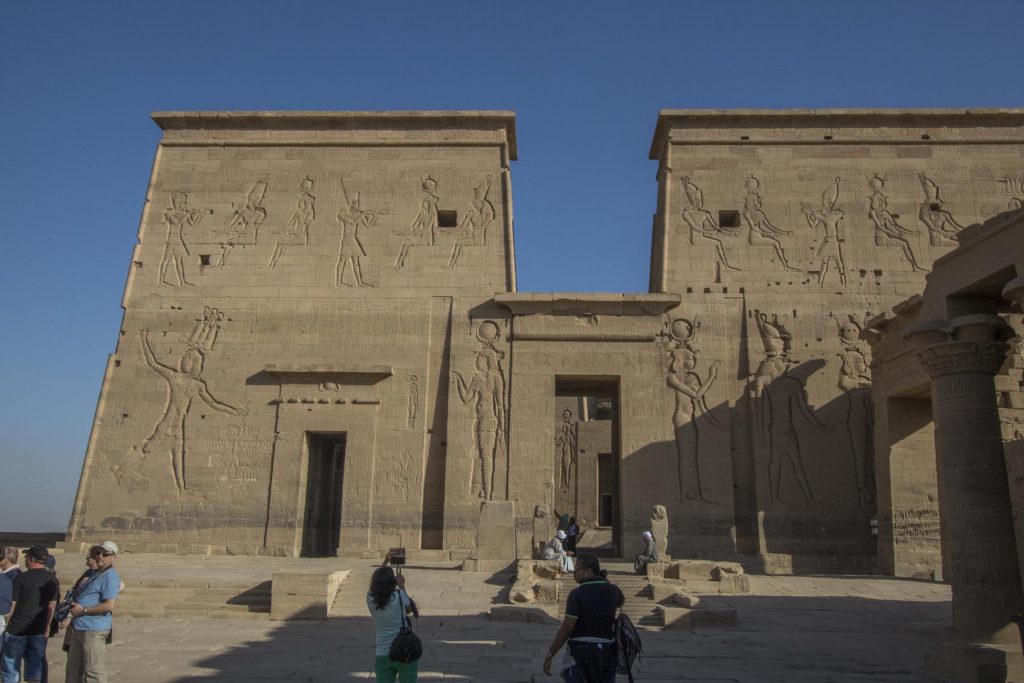
Philae Temple (Temple of Isis): A true gem relocated to Agilkia Island to save it from the rising waters of the Aswan High Dam, Philae Temple is dedicated to the goddess Isis. Accessible by a short boat ride, its stunning pylons, courtyards, and sanctuaries are beautifully preserved and offer a magical experience, especially when illuminated at night during a sound and light show. It’s a testament to both ancient devotion and modern engineering.

Aswan High Dam: A monumental feat of modern engineering, the Aswan High Dam was completed in 1970 and plays a crucial role in controlling the Nile’s annual floods, generating electricity, and increasing agricultural land. Visiting the dam offers panoramic views of Lake Nasser, the world’s largest artificial lake, and provides insight into contemporary Egyptian development.

The Unfinished Obelisk: Located in the ancient granite quarries of Aswan, the Unfinished Obelisk offers a fascinating glimpse into the incredible stone-working techniques of the ancient Egyptians. Had it been completed, it would have been the largest ancient obelisk ever, standing over 40 meters tall. The site reveals the precise methods used to quarry and carve these massive monuments, along with the cracks that ultimately led to its abandonment.

Philia Temple , Aswan

Aswan Botanical Garden (Kitchener’s Island): A peaceful oasis in the middle of the Nile, Aswan Botanical Garden is a lush haven of exotic plants and trees collected from around the world. A relaxing felucca ride to the island and a leisurely stroll through its shaded pathways offer a delightful escape from the sun and a chance to enjoy nature’s beauty.

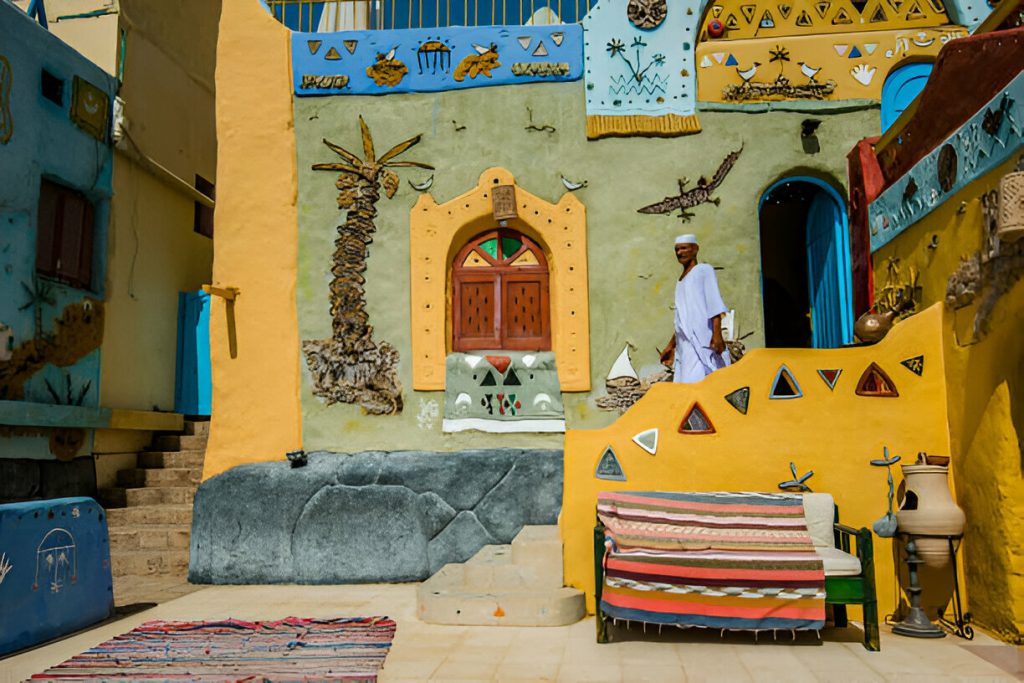
Nubian Village: For a taste of local culture, a visit to a Nubian Village on Elephantine Island or the West Bank is a highly recommended experience. Known for their brightly painted homes, friendly inhabitants, and unique customs, these villages offer a glimpse into the rich heritage of the Nubian people. You can enjoy traditional hospitality, explore local crafts, and perhaps even get a henna tattoo.

Nubian Valley , Aswan

Elephantine Island: One of the largest islands in the Nile at Aswan, Elephantine Island is home to ancient ruins, including the Temple of Khnum, Nilometers (ancient devices for measuring the Nile’s flood levels), and charming Nubian villages. It’s a fantastic spot for a leisurely walk and offers historical depth.

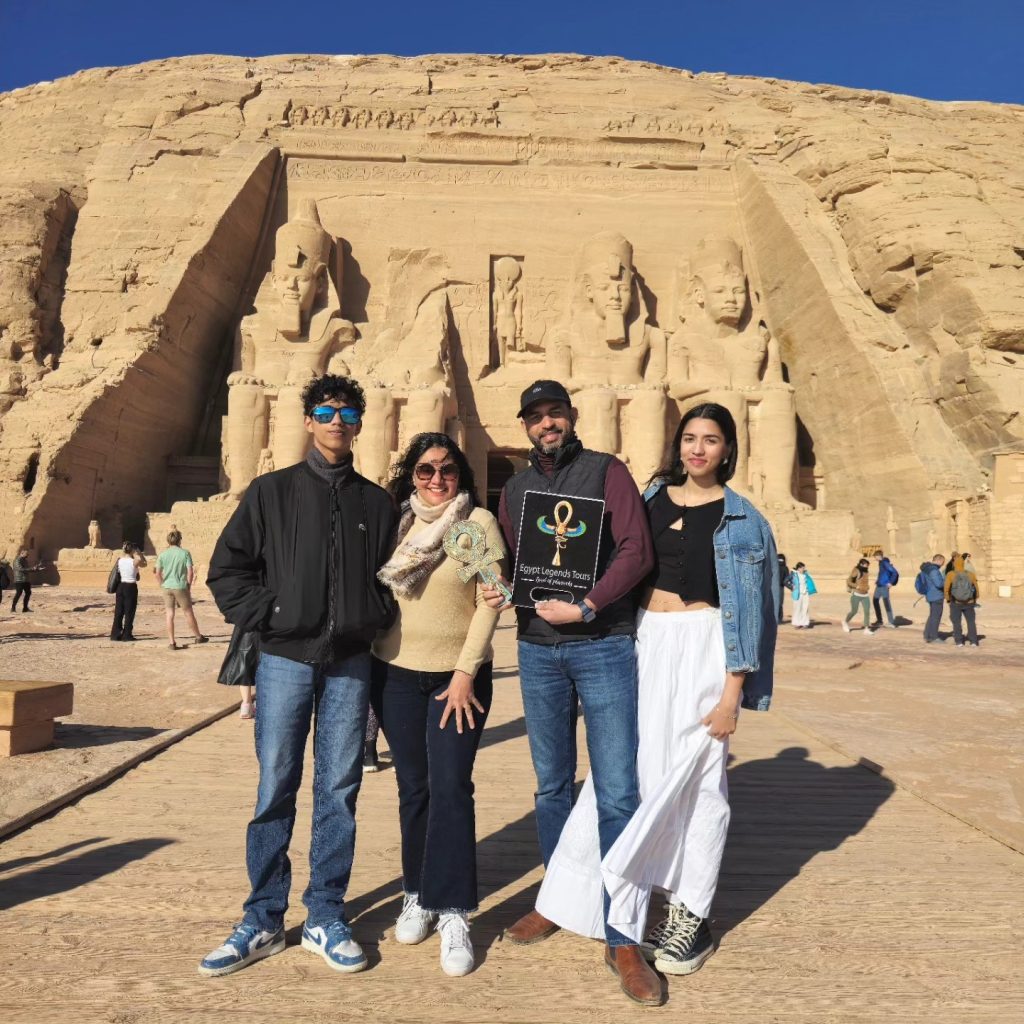
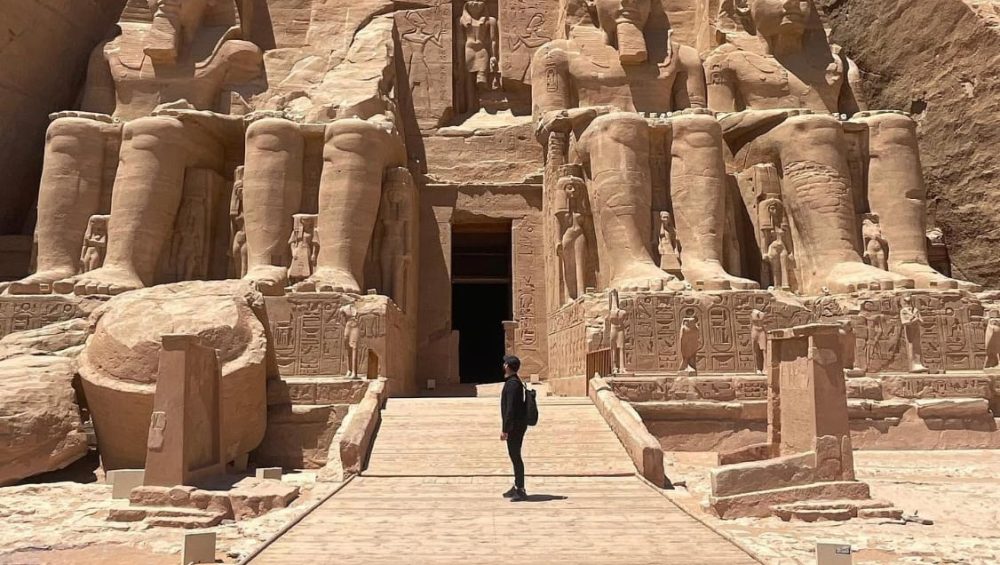
Abu Simbel (Optional Day Trip): While a bit further afield, many Aswan itineraries include a day trip to the magnificent Abu Simbel Temples. Relocated in a monumental UNESCO-led effort to save them from the dam’s waters, these two massive rock-cut temples of Ramses II and Nefertari are among Egypt’s most awe-inspiring sights, particularly their colossal facades.

Abu Simble Temple

Experiencing Aswan:

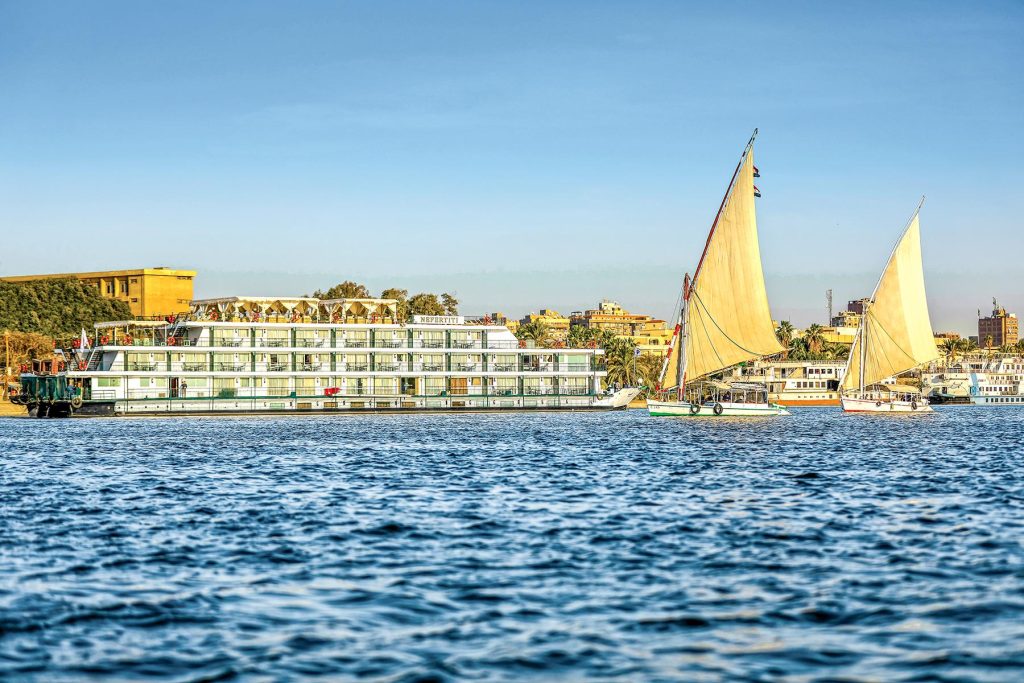
Felucca Sailing: Glide silently along the Nile on a traditional felucca, enjoying the gentle breeze and picturesque scenery. It’s the quintessential Aswan experience.

Nile River Cruises: Aswan is a popular starting or ending point for Nile River cruises between Luxor and Aswan, offering a luxurious way to see the ancient sites along the river.

Shopping at the Souq: Discover Aswan’s lively souq, known for its spices, perfumes, traditional Nubian crafts, and textiles. It’s a great place to find unique souvenirs.

Aswan offers a perfect blend of ancient wonders, serene landscapes, and authentic cultural experiences. It’s a city where you can truly connect with the timeless spirit of the Nile, making it an indispensable part of any trip to Egypt.

Felucca in Aswan

Embrace the tranquility and discover the charm of Aswan – your journey to Egypt’s south awaits!

Luxor The World’s Greatest Open-Air Museum

Often hailed as the “world’s greatest open-air museum,” Luxor is not just a city in modern-day Egypt; it is the breathtaking site of ancient Thebes, the capital of the New Kingdom pharaohs. Standing proudly on the banks of the mighty Nile River, Luxor is a living testament to the grandeur, artistry, and religious devotion of one of history’s most powerful civilizations. For anyone seeking to delve deep into ancient Egyptian history and archaeology, Luxor is an absolute, unmissable destination.

The East Bank: Temples of Gods and Kings

The East Bank of Luxor, where the modern city thrives, is dominated by two colossal temple complexes that once formed the spiritual heart of ancient Thebes.

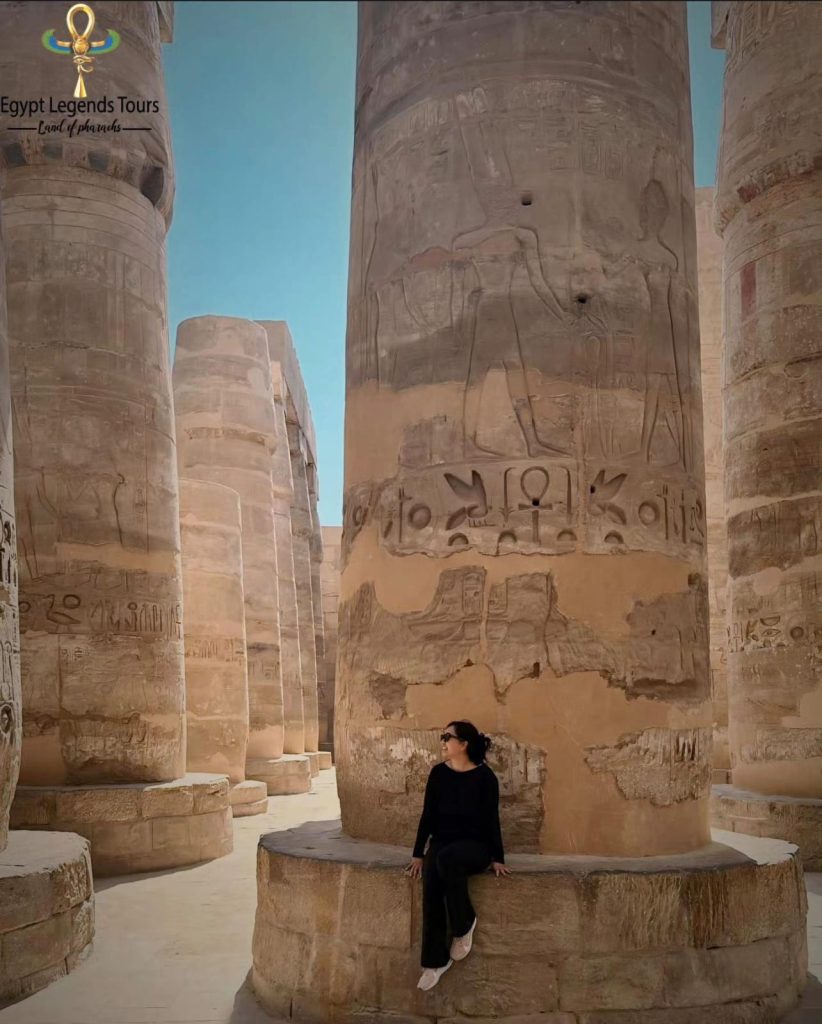
Karnak Temple Complex: This is not just a temple; it’s a sprawling city of temples, chapels, pylons, and obelisks built over two millennia. As the largest religious site ever constructed, Karnak is dedicated primarily to the god Amun-Ra. Walking through its awe-inspiring Hypostyle Hall, with its 134 massive columns reaching towards the sky, feels like stepping into a sacred forest of stone. Every pharaoh wanted to leave their mark here, making it a chronological record of their devotion and power.

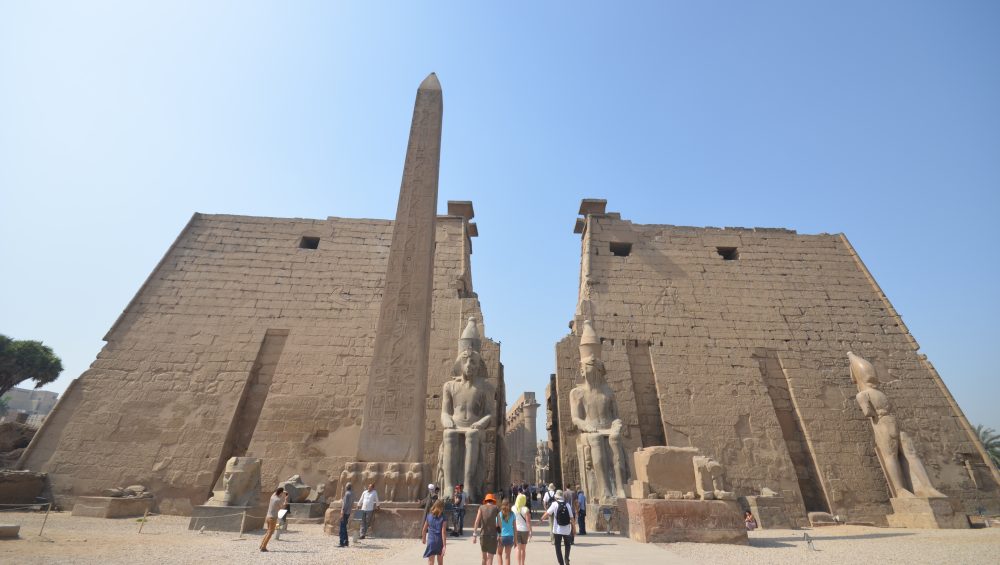
Luxor Temple: Located closer to the city center and beautifully illuminated at night, Luxor Temple is a graceful and elegant sanctuary dedicated to the rejuvenation of kingship. Built largely by Amenhotep III and Ramses II, it was the focal point of the annual Opet Festival, celebrating the fertility of the Nile and the bond between the pharaoh and the gods. The Avenue of Sphinxes, now largely re-excavated and connecting Luxor Temple to Karnak, offers a glimpse into the grand processional routes of antiquity.

Karnak Temple , Luxor

The West Bank: The City of the Dead

Across the Nile, the West Bank of Luxor is often referred to as the “City of the Dead.” This arid, dramatic landscape served as the royal necropolis for the New Kingdom pharaohs and nobles, where elaborate tombs were carved deep into the desert cliffs, designed to protect the journey to the afterlife.

Valley of the Kings: The most famous burial site in Egypt, the Valley of the Kings is the final resting place for many of Egypt’s most celebrated pharaohs, including the legendary Tutankhamun, Seti I, and Ramses II. Descending into these meticulously decorated tombs, adorned with vibrant hieroglyphs and intricate scenes from the Book of the Dead, is an unforgettable experience. Each tomb offers a unique artistic and historical narrative.

Temple of Hatshepsut (Deir el-Bahari): Dedicated to one of ancient Egypt’s most successful female pharaohs, the Mortuary Temple of Hatshepsut is a striking, multi-terraced structure carved into the limestone cliffs. Its unique design and impressive scale make it a marvel of ancient architecture and a testament to her powerful reign.

Valley of the Queens: The burial ground for the wives and children of the pharaohs, the Valley of the Queens holds some exceptionally beautiful tombs, most notably the richly decorated Tomb of Nefertari, often considered one of the most stunning tombs in Egypt.

Colossi of Memnon: These two massive stone statues of Pharaoh Amenhotep III stand majestically in the fields, silent guardians of what was once his magnificent mortuary temple. They offer an imposing first impression of the West Bank’s monumental scale.

Medinet Habu (Mortuary Temple of Ramses III): Often overlooked but incredibly well-preserved, Medinet Habu is a fortified temple complex adorned with vivid reliefs depicting Ramses III’s military victories and religious festivals. Its colors and details are remarkably intact, offering a vibrant look into New Kingdom art.

Memnon Statue, Luxor

Beyond the Grand Sights:

Luxor Museum: A beautifully curated museum housing a select collection of masterworks discovered in and around Thebes, providing excellent context for the sites you’ll visit.

Mummification Museum: Offers fascinating insights into the ancient Egyptian art and science of mummification.

Nile River Felucca Ride: Experience the tranquility of the Nile on a traditional sailboat, providing stunning views of the East and West Banks, especially at sunset.

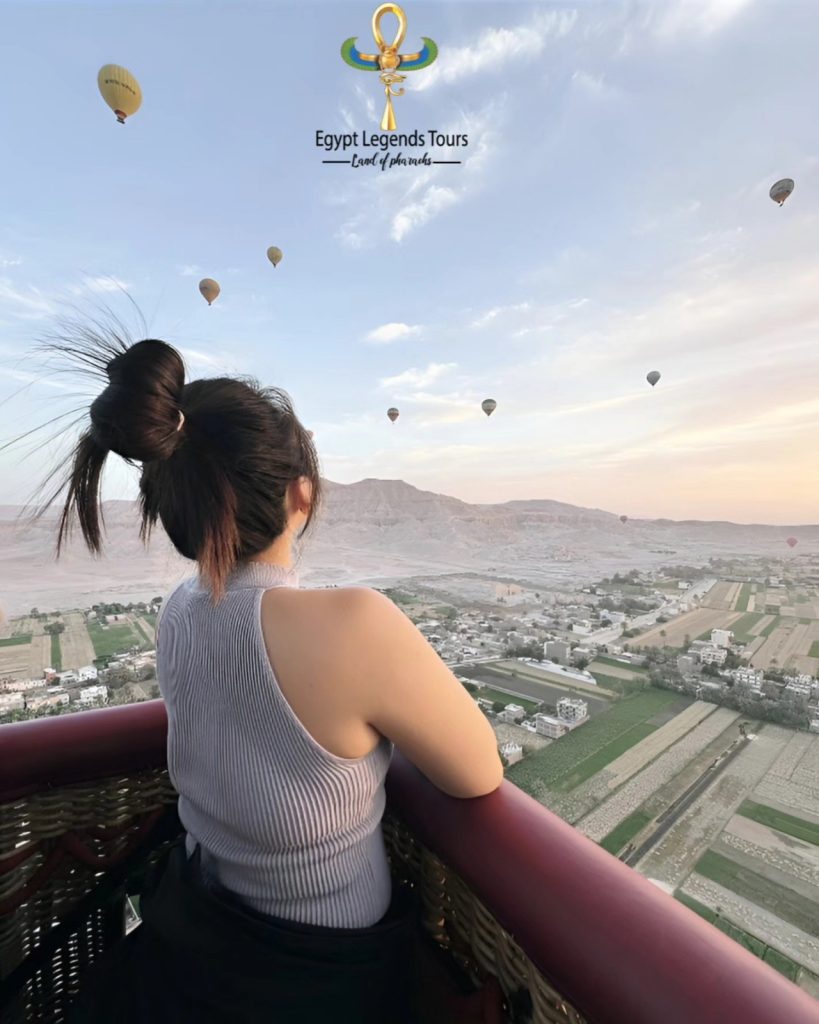
Hot Air Balloon Ride: For an unforgettable panoramic view, a hot air balloon ride at sunrise over the West Bank offers a breathtaking perspective of the temples, valleys, and the vast desert landscape.

Hot Air Balloon , Luxor

Planning Your Luxor Adventure:

  • Best Time to Visit: The cooler months from October to April are ideal for exploring Luxor, with pleasant temperatures.
  • Comfortable Attire: Dress modestly and wear comfortable walking shoes, a hat, and sunscreen.
  • Stay Hydrated: Always carry plenty of water.

Luxor is more than just a destination; it’s an immersive journey into the heart of ancient Egyptian civilization. Every temple, every tomb, every relief tells a story of pharaohs, gods, and a people’s unwavering belief in the eternal. Prepare to be awestruck.

Unearth the mysteries of ancient Thebes – plan your unforgettable trip to Luxor, Egypt today!

Siwa Oasis Egypt’s Mystical Desert Paradise

Nestled deep within Egypt’s Western Desert, close to the Libyan border, lies Siwa Oasis – a secluded, enchanting world unlike anywhere else in Egypt. Far from the bustling metropolises and ancient monuments of the Nile Valley, Siwa offers a unique blend of breathtaking natural beauty, a distinct Berber culture, and a history steeped in ancient prophecy and legend.

For the adventurous traveler seeking an off-the-beaten-path Egypt experience, eco-tourism, and a truly immersive cultural journey, Siwa Oasis is an absolute must-visit.

A Sanctuary of Serenity and Natural Wonders

Siwa’s isolation has preserved its pristine environment and created a landscape of mesmerizing contrasts.

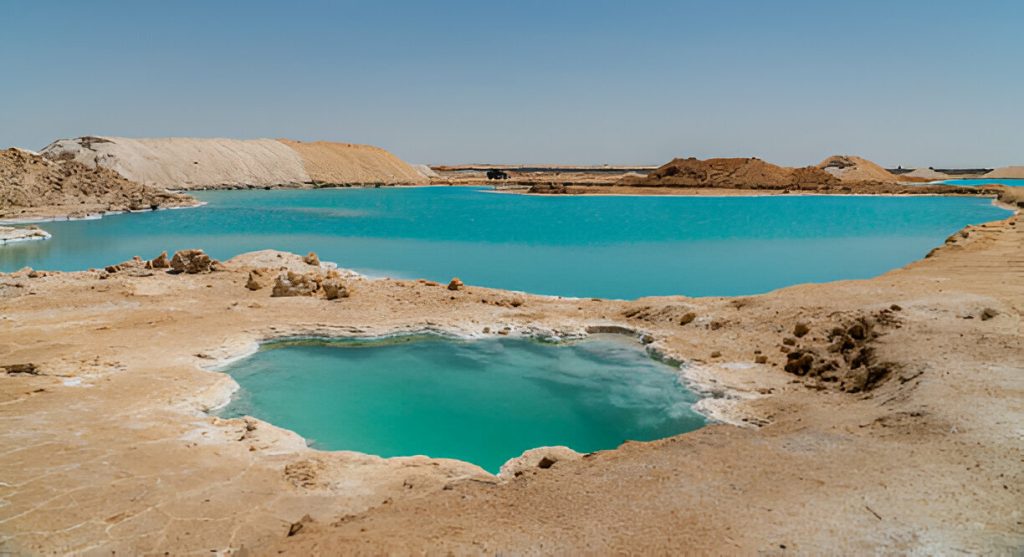
Salt Lakes: Perhaps the most iconic feature of Siwa are its dazzling salt lakes. With a salt concentration so high that you effortlessly float (much like the Dead Sea), these emerald-green to sapphire-blue pools are not only incredibly therapeutic but also offer surreal photographic opportunities against the backdrop of the desert. The sensation of buoyancy is unforgettable!

Cleopatra’s Spring (Ain Juba): A natural spring believed to have been a bathing spot for Queen Cleopatra herself, this cool, refreshing spring is a popular place for a dip, surrounded by lush palm groves. It’s a perfect spot to relax and unwind after a day of exploration.

Gebel Dakrour (Healing Mountain): This mountain is famous for its unique tradition of sand bathing. During the hottest months, locals and visitors alike bury themselves in the hot sand, believed to have therapeutic properties for various ailments, particularly rheumatism.

The Great Sand Sea: Siwa is bordered by the vast and dramatic Great Sand Sea, an expanse of towering sand dunes. This provides the perfect playground for thrilling desert safaris, sandboarding, and stargazing under an incredibly clear desert sky.

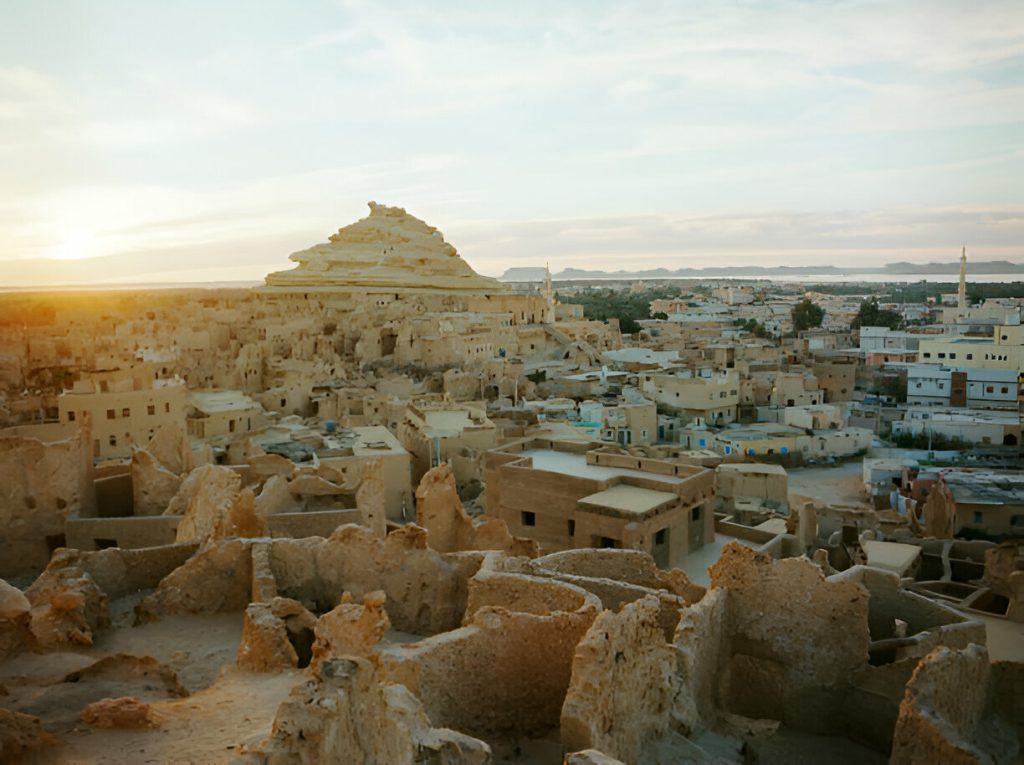
Siwa

A Living History: Ancient Legends and Unique Culture

Siwa’s history is as captivating as its landscapes, shaped by its isolation and its pivotal role in antiquity.

The Oracle of Amun (Temple of the Oracle): Siwa is most famously known as the home of the ancient Oracle of Amun, which gained renown after Alexander the Great famously consulted it in 331 BC to confirm his divine parentage and right to rule Egypt. Although largely in ruins today, the site carries an undeniable aura of mystery and historical significance. Exploring the remnants offers a tangible link to one of history’s most powerful figures.

Shali Fortress: Dominating the center of Siwa town are the dramatic mud-brick ruins of the Shali Fortress. Built in the 13th century from “kershif” (a unique mix of salt rock and mud), this ancient stronghold once housed the entire Siwan population, protecting them from desert raids. Climbing its crumbling walls offers panoramic views of the oasis.

Gebel al-Mawta (Mountain of the Dead): Just north of Siwa town, this Roman-era necropolis is dotted with dozens of rock-cut tombs. While many are closed, some are open to visitors, including the Tomb of Si-Amun, known for its well-preserved, colorful frescoes.

Salt Lake Siwa

The Siwan Culture: A Berber Heart

Siwa’s unique identity stems from its predominant Berber (Amazigh) culture. The Siwans have their own distinct language (Siwi), customs, and traditions, largely preserved due to their long isolation.

Handicrafts: Siwan women are renowned for their intricate embroidery, particularly on traditional wedding dresses and silver jewelry. You’ll also find beautiful pottery, basketry made from palm fronds, and the iconic salt lamps carved from the local rock salt.

Architecture: The traditional architecture, utilizing the kershif mud-brick, gives Siwa its distinctive earthy charm. Many guesthouses and eco-lodges embrace this traditional style.

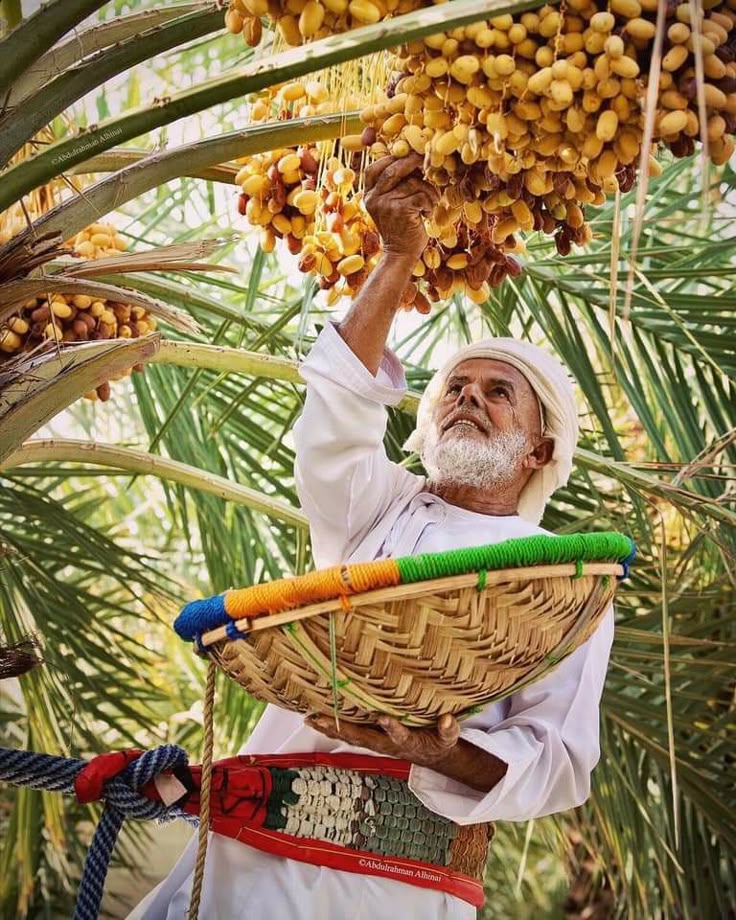
Dates and Olives: Siwa is famed for its abundant date palms and olive groves, which have sustained the oasis for millennia. Siwan dates and olive oil are highly prized throughout Egypt.

Man Cutting Dates From Palm Tress Siwa

Planning Your Siwa Oasis Adventure:

Best Time to Visit: The cooler months from October to April are ideal, as summer temperatures can be extremely hot. Consider visiting during the Siyaha Festival (usually in October), a vibrant annual celebration of Siwan traditions.

Getting There: Siwa is remote. The most common way to get there is by overnight bus from Cairo (approx. 8-10 hours) or by hiring a private car/driver. The journey itself is part of the adventure.

Accommodation: Siwa offers a range of unique accommodations, from charming eco-lodges built with traditional materials to more modern hotels.

Respectful Tourism: Remember that Siwa is a traditional community. Dress modestly, especially when away from resort areas, and be respectful of local customs.

Siwa Oasis is more than just a destination; it’s an escape to a timeless world, a journey that connects you with ancient mysteries, unparalleled natural beauty, and a rich, living culture. It’s an essential experience for anyone seeking a truly unforgettable and authentic Egypt travel adventure.

Unplug, explore, and discover the magic of Siwa Oasis – your desert paradise awaits!

Cairo’s City of the Dead: A Living Tapestry of History and Life

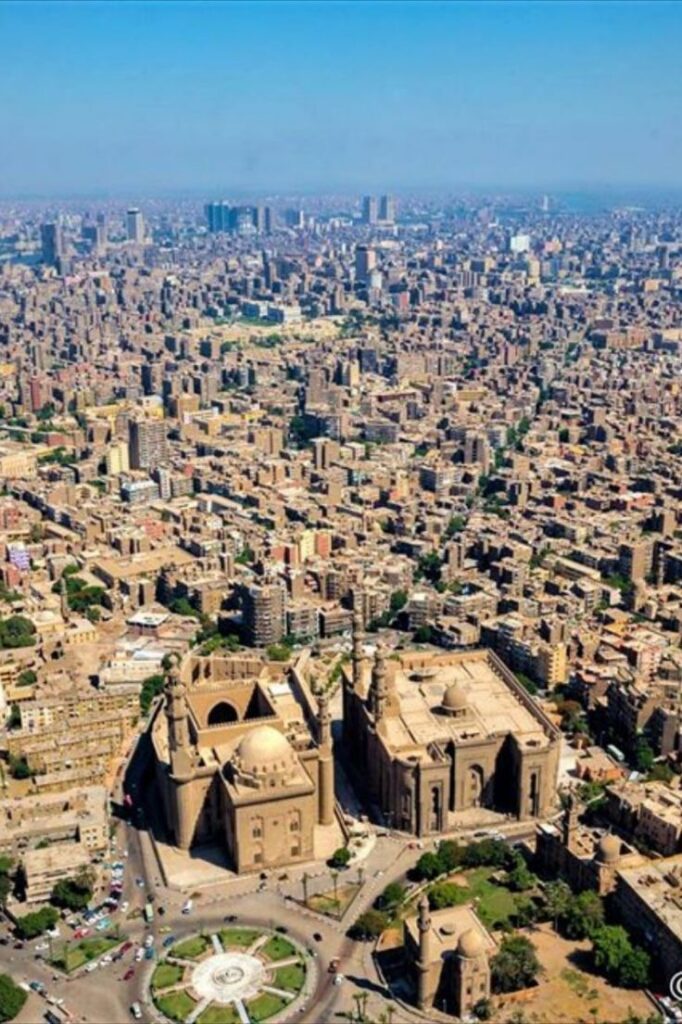
When people envision Cairo, images of bustling bazaars, ancient mosques, and the majestic Nile often come to mind. But just beyond the historic city walls, nestled beneath the Mokattam Hills, lies a truly unique and often misunderstood part of its fabric: the Cairo Necropolis, more famously known as the City of the Dead (Al-Qarafa). This vast, sprawling series of Islamic-era cemeteries is far more than just a burial ground; it’s a vibrant, living community, a testament to centuries of Egyptian history, culture, and resilience.

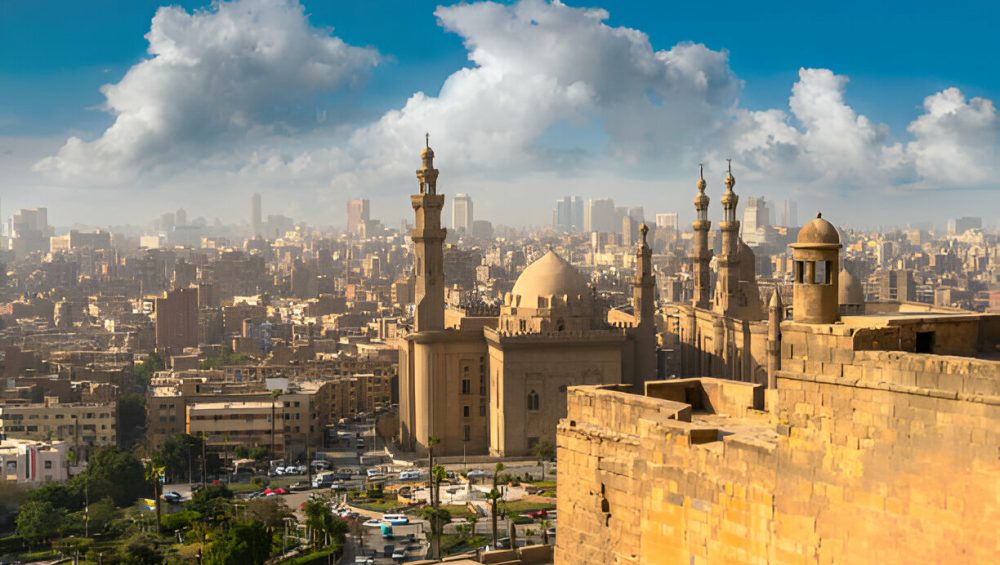
Old Islamic Cairo

More Than Just Tombs: A Unique Urban Landscape

Unlike the ancient Egyptian necropolises of Giza or Saqqara, which are primarily archaeological sites, the City of the Dead is a functioning cemetery where the living and the deceased coexist in an extraordinary way. For generations, due to housing shortages and economic realities, families have built homes within and around the elaborate mausoleums and tombs of their ancestors. This creates a fascinating blend of solemn remembrance and everyday life, where children play amidst historic monuments and families gather in the courtyards of their departed loved ones.

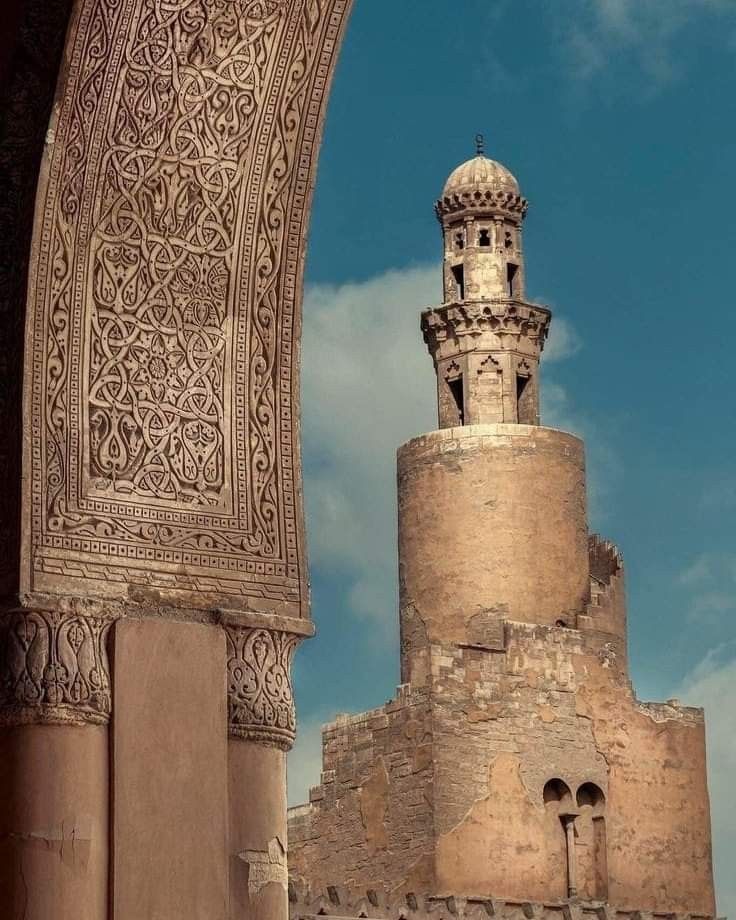
Ahmed Ibn Tolan Mosque

A Journey Through Islamic History

The Cairo Necropolis dates back to the 7th century, founded shortly after the Arab conquest of Egypt. Over more than a thousand years, it has continuously expanded, becoming the final resting place for countless Egyptians, from common citizens to revered scholars, influential rulers, and prominent figures of various Islamic dynasties. The necropolis is broadly divided into two main sections:

The Northern Cemetery: This area is particularly rich in Mamluk-era monuments, showcasing some of the most exquisite Islamic architecture in Cairo. You’ll find grand funerary complexes, mosques, and khanqahs (Sufi lodges) that reflect the artistic and religious fervor of the Mamluk sultans. Key highlights include:

The Funerary Complex of Sultan Qaytbay: A masterpiece of Mamluk architecture, renowned for its intricate dome, minaret, and beautiful carved stone work.

The Khanqah of Faraj ibn Barquq: Another magnificent Mamluk complex featuring two impressive domes.

Various mausoleums of Emirs and high-ranking officials, each telling a story through its design and inscriptions.

The Southern Cemetery: This older section of the necropolis dates back to the early Islamic period and holds immense religious significance. It contains the tombs of many revered figures, including descendants of the Prophet Muhammad and prominent Islamic scholars.

The Mausoleum of Imam al-Shafi’i: One of the most important landmarks, dedicated to the founder of the Shafi’i school of thought in Sunni Islam. Its impressive dome is a significant example of Ayyubid architecture.

Hosh al-Basha: The grand family mausoleum of Muhammad Ali Pasha and his dynasty, reflecting a later Ottoman and European influence in its design.

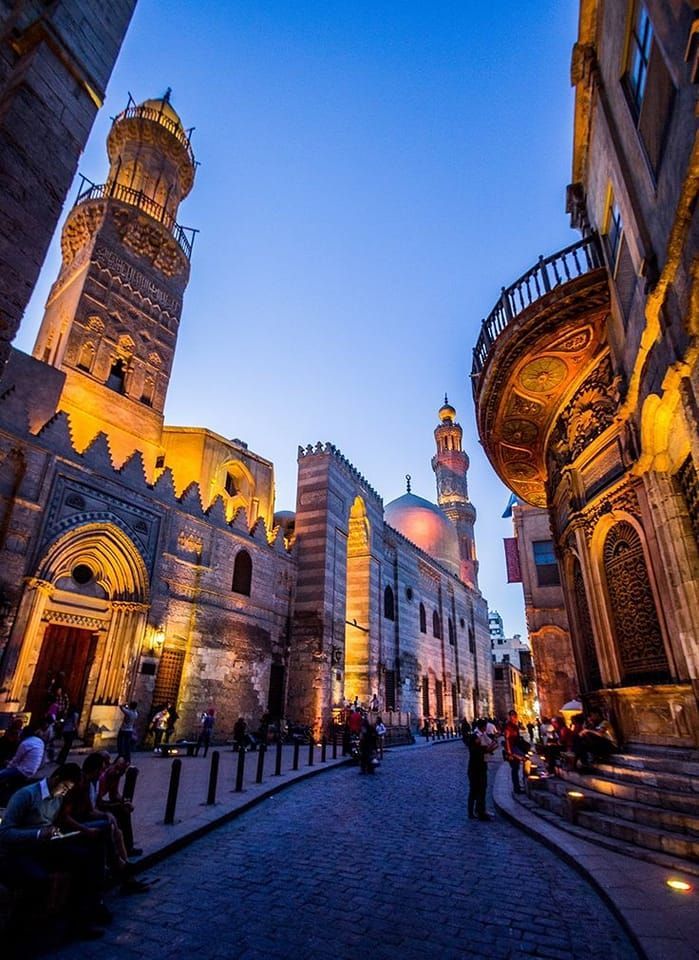
Al Moa’az Street Cairo

Why Discover the City of the Dead?

A tour of the Cairo Necropolis offers a truly unique and profound experience for travelers seeking:

  • Authentic Cultural Immersion: Witness a unique way of life where historical reverence and daily living are intertwined.
  • Architectural Gems: Discover centuries of Islamic architectural styles, from early Islamic simplicity to the ornate grandeur of the Mamluk period.
  • Historical Insights: Gain a deeper understanding of Egypt’s rich Islamic history, beyond the pharaonic era.
  • Unique Photography Opportunities: Capture the compelling contrasts between ancient monuments and modern life.
  • Off-the-Beaten-Path Experience: Discover a less conventional but deeply rewarding side of Historic Cairo.

Tips for Visiting the Cairo Necropolis:

  • Respectful Conduct: Remember this is a living community and a sacred burial ground. Dress modestly, be mindful of residents, and ask permission before taking close-up photos of people.
  • Timing: Daytime visits are best for safety and to fully appreciate the architecture.
  • Comfortable Footwear: You’ll be doing a lot of walking on unpaved paths and uneven surfaces.

The Cairo Necropolis, or City of the Dead, is a powerful reminder that history is not just confined to museums or ruins; it lives and breathes within the vibrant tapestry of urban life. It’s a place that challenges perceptions and offers a poignant, unforgettable glimpse into the soul of Egypt.

Ready to uncover the fascinating stories within Cairo’s living necropolis? Plan your journey to this extraordinary historical and cultural landmark!

Beyond the Pyramids: Unveiling the Historical Heart of Cairo

While the majestic Giza Pyramids might be the first image that springs to mind, Cairo is a city steeped in millennia of history, boasting a rich tapestry of historical sites that span various eras and cultures. From ancient Roman forts to awe-inspiring Islamic architecture and early Christian heritage, exploring Cairo’s historical sites is a journey through time itself. This blog will guide you through some of the must-see historical gems that reveal the soul of Egypt’s vibrant capital.

Islamic Cairo: A UNESCO World Heritage Treasure

The very heart of historical Cairo lies in what is known as Islamic Cairo, a UNESCO World Heritage site and a living museum of breathtaking Islamic architecture. This ancient quarter, with its narrow, winding alleys, bustling souqs, and towering minarets, takes you back to the Fatimid, Ayyubid, and Mamluk eras.

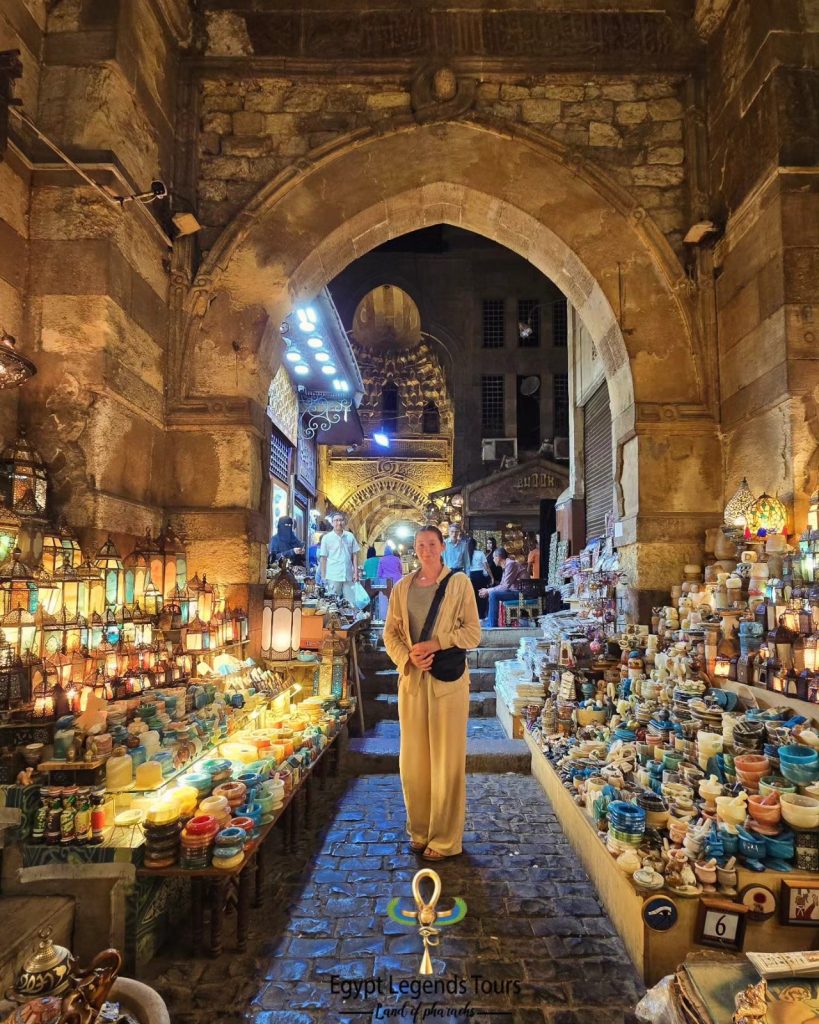
  • Khan el-Khalili: No visit to Islamic Cairo is complete without a stroll through Khan el-Khalili, one of the oldest and most famous bazaars in the Middle East. Dating back to the Mamluk era, this vibrant marketplace is a feast for the senses, offering everything from exquisite craftsmanship and traditional souvenirs to aromatic spices and bustling coffee shops. It’s the perfect place to soak in the atmosphere of old Cairo.
  • Al-Muizz Street: Often called an “open-air museum,” Al-Muizz li-Din Allah al-Fatimi Street is lined with an astonishing collection of medieval Islamic monuments. As you walk along this historic thoroughfare, you’ll encounter stunning mosques, madrasas (religious schools), hospitals, and grand houses, each telling a story of Cairo’s golden age. Don’t miss:
    • Al-Azhar Mosque: Founded in 970 CE, Al-Azhar is not just one of the oldest mosques in Cairo but also the second oldest continuously run university in the world. Its grand courtyards and intricate prayer halls are a testament to centuries of Islamic scholarship and worship.
    • Mosque-Madrassa of Sultan Hassan: A colossal and awe-inspiring example of Mamluk architecture, this 14th-century complex is renowned for its sheer scale, soaring minarets, and impressive courtyard.
    • Mosque of Ibn Tulun: Dating back to the 9th century, this is Cairo’s oldest surviving mosque in its original form. Its vast open courtyard, unique spiraling minaret (inspired by the Great Mosque of Samarra in Iraq), and pointed arches (which predate European Gothic architecture) make it a truly remarkable site.
    • Complex of Sultan Qalawun: This impressive 13th-century complex includes a mosque, a madrasa, and a mausoleum, showcasing intricate Mamluk decorative arts.
Khan El Khalili Market Cairo

The Citadel of Salah al-Din: A Fortress of Power

Perched atop the Mokattam Hills, the imposing Citadel of Salah al-Din (Saladin Citadel) has dominated Cairo’s skyline for centuries. Built by the legendary Ayyubid ruler Salah al-Din in the 12th century to protect Cairo from Crusader attacks, it served as the seat of Egyptian government for over 700 years.

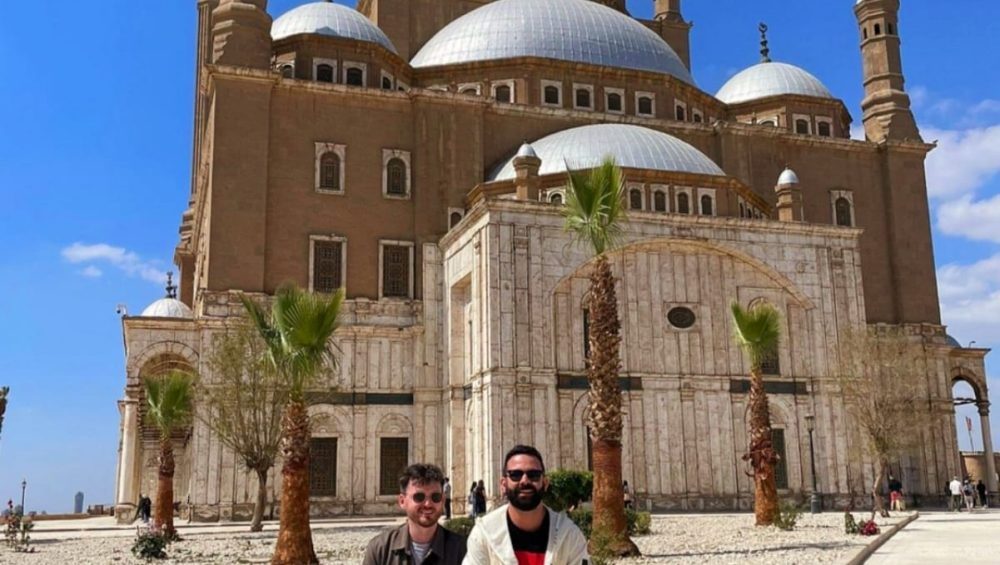
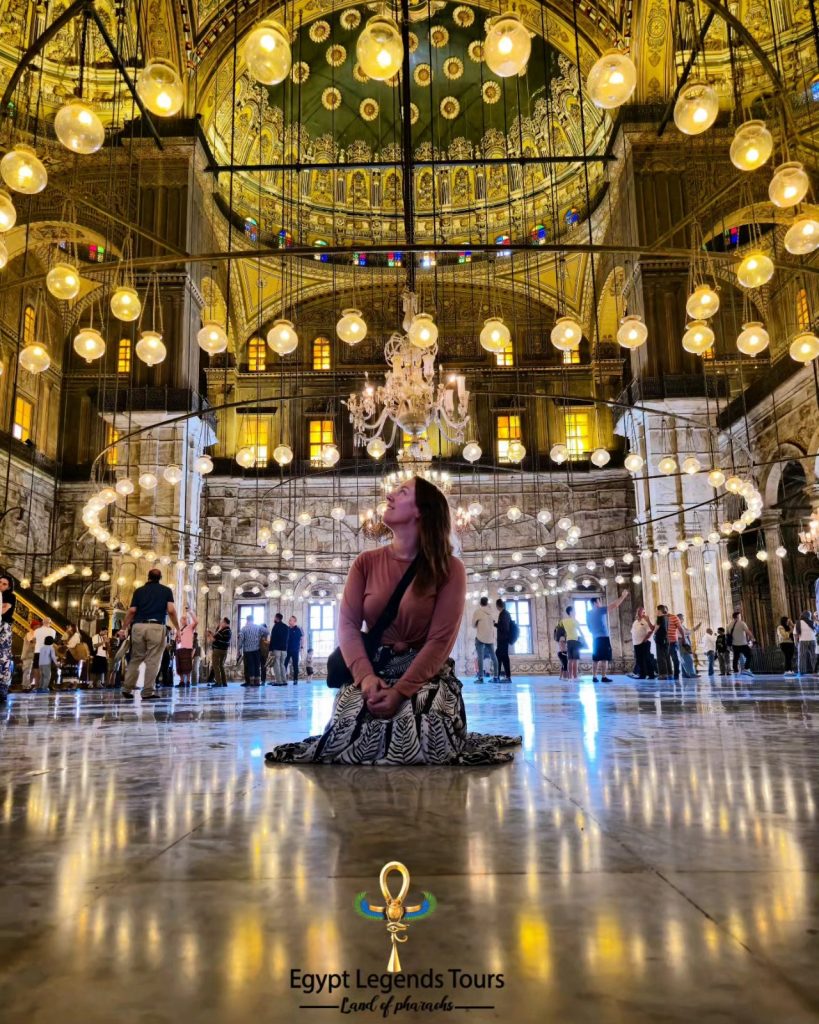
  • Mosque of Muhammad Ali Pasha: The most prominent feature of the Citadel is the magnificent Mosque of Muhammad Ali Pasha, often referred to as the “Alabaster Mosque.” With its Ottoman-inspired architecture, grand domes, and slender minarets, it’s an iconic landmark offering panoramic views of Cairo. Inside, the intricate decorations and vast prayer hall are truly stunning.
  • Other Museums and Mosques: Within the Citadel complex, you’ll also find the National Police Museum, the Royal Carriages Museum, and other historical mosques like the Mosque of al-Nasir Muhammad, providing a comprehensive look at Egypt’s various ruling periods.
Mosque Of Mohamed Ali Pasha

Coptic Cairo: The Cradle of Christianity in Egypt

A tranquil oasis amidst the city’s hustle and bustle, Coptic Cairo is the spiritual heart of Egypt’s Christian community. This ancient area, built around the remnants of the Roman-era Babylon Fortress, holds immense historical and religious significance.

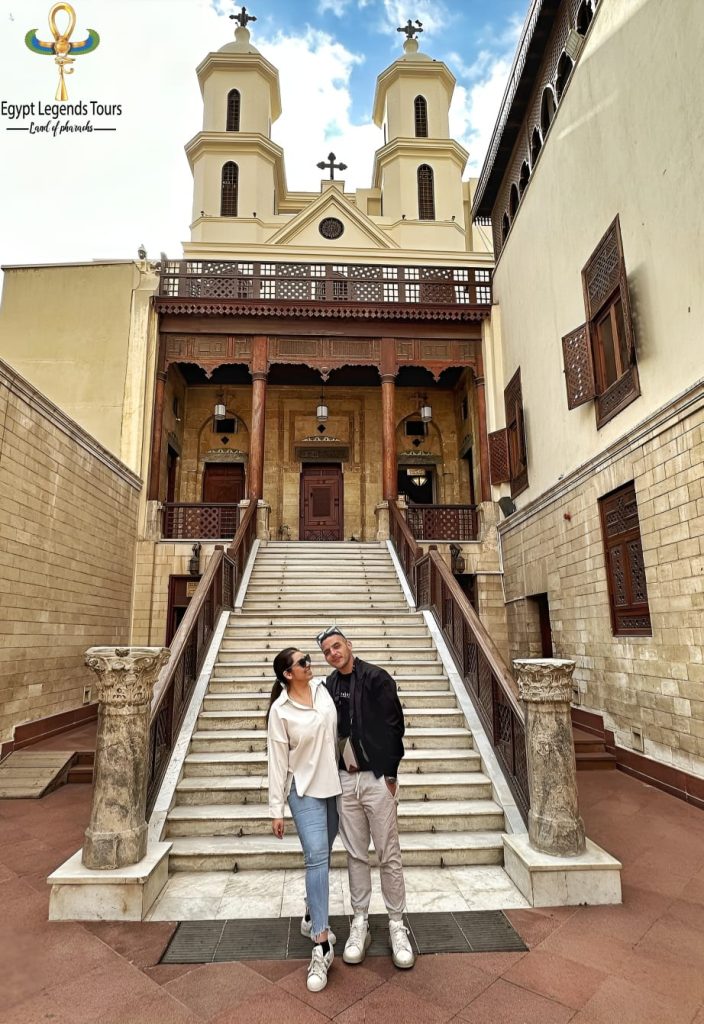
  • The Hanging Church (St. Mary’s Church): Perched above the gatehouse of the Babylon Fortress, this iconic church gets its name from its nave “hanging” over a passage. It’s one of Egypt’s oldest churches, with a history dating back to the 3rd or 4th century, and is renowned for its beautiful icons and historic atmosphere.
  • Church of Saints Sergius and Bacchus (Abu Serga): Legend has it that the Holy Family rested in a cave beneath this church during their flight into Egypt, making it a revered pilgrimage site.
  • Ben Ezra Synagogue: This historic synagogue is believed to be built on the site where baby Moses was found, adding another layer to the area’s diverse religious heritage.
  • Coptic Museum: Housing one of the world’s most extensive collections of Coptic artifacts, the Coptic Museum provides invaluable insights into the history, art, and culture of early Christianity in Egypt.
Hanging Church

Planning Your Historical Cairo Exploration:

  • Prioritize: Cairo’s historical sites are vast. Consider dedicating full days or at least half-days to specific areas like Islamic Cairo or Coptic Cairo to truly immerse yourself.
  • Comfortable Attire: Dress modestly, especially when visiting religious sites. Comfortable walking shoes are a must for navigating the ancient streets and sprawling complexes.
  • Stay Hydrated: Egypt’s climate can be warm, so always carry water.

Cairo’s historical sites offer an unparalleled journey through civilizations, empires, and spiritual traditions. From the echoes of medieval caliphs to the ancient roots of Christianity, every corner of this city holds a story waiting to be discovered.

Embark on your unforgettable historical tour of Cairo and uncover the layers of Egypt’s magnificent past!

A Tale of Two Treasures: The Egyptian Museum and the Grand Egyptian Museum

For decades, the Egyptian Museum in Tahrir Square has been the iconic home of the world’s most extensive collection of ancient Egyptian antiquities. It’s a place where history literally spills out of every corner, a testament to the incredible richness of this ancient civilization. However, a new era in Egyptian museology has dawned with the much-anticipated Grand Egyptian Museum (GEM), promising an unparalleled experience.

For any traveler passionate about ancient Egypt, understanding both these incredible institutions is key to planning your visit to Cairo.

The Egyptian Museum (Museum of Egyptian Antiquities) – Tahrir Square: A Historical Gem

Often referred to simply as “the Egyptian Museum,” this grand, pink-hued building in the heart of Tahrir Square has captivated visitors since its opening in 1902. Stepping inside is like entering a time capsule, where the sheer volume of artifacts is overwhelming in the most exhilarating way.

Highlights of the Egyptian Museum, Tahrir:

  • Tutankhamun’s Treasures (Currently being transferred): For years, the undeniable highlight was the glorious gold burial mask of Tutankhamun and the vast collection of artifacts from his tomb. While many of these items have now moved to the GEM, the Tahrir Museum still holds some important pieces related to Tutankhamun and other significant artifacts. Check current availability when planning your visit.
  • The Royal Mummies Room (Now at NMEC): Another popular section was the Royal Mummies Room, displaying the mummified remains of pharaohs like Ramses II and Hatshepsut. These have largely been transferred to the National Museum of Egyptian Civilization (NMEC), another must-visit museum in Cairo.
  • Narmer Palette: A crucial artifact from the Early Dynastic period, this slate palette depicts the unification of Upper and Lower Egypt and is a cornerstone of early Egyptian history.
  • Statues of Khafre and Menkaure: Marvel at the powerful and exquisitely carved statues of the Old Kingdom pharaohs, offering insight into the artistry of the Pyramid Age.
  • Statue of Ka-aper (Sheikh el-Balad): This incredibly lifelike wooden statue from the Old Kingdom is famous for its realistic eyes and expressive face.
  • Countless Sarcophagi, Jewelry, and Daily Life Objects: The museum’s vast collection covers every aspect of ancient Egyptian life, from predynastic tools to Greco-Roman artifacts, offering endless discoveries for the curious mind.

The Tahrir Museum, with its slightly more chaotic yet authentic charm, provides a sense of discovery as you wander through its crowded halls, filled with millennia of history.

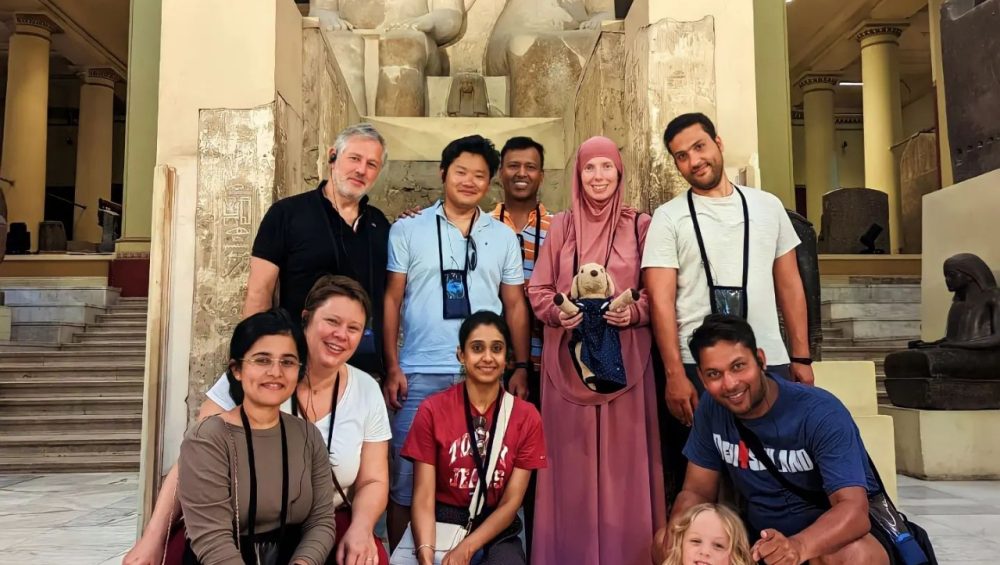
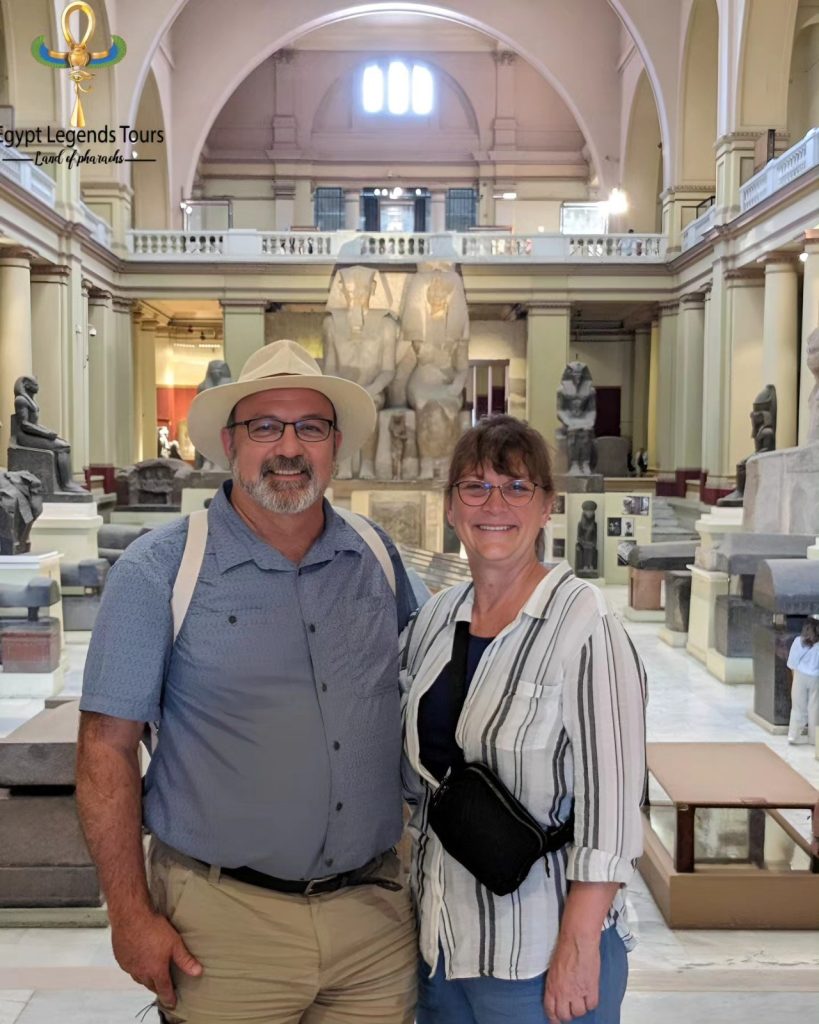
Egyptian Museum Cairo

The Grand Egyptian Museum (GEM): The Future of Egyptian Heritage

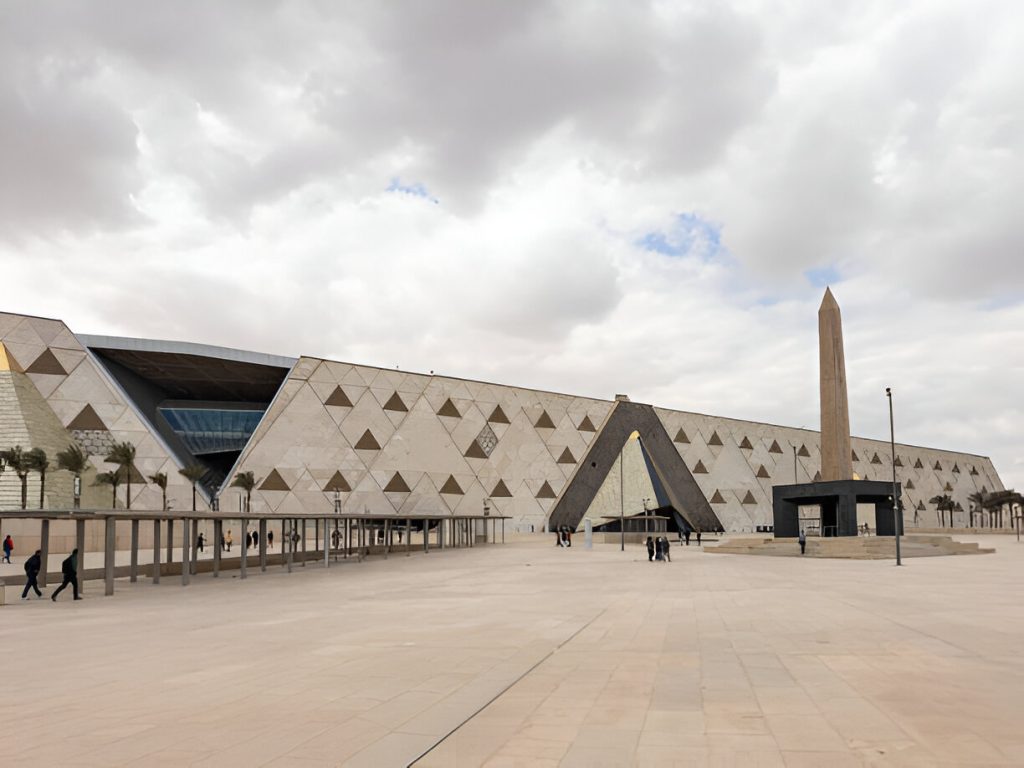
Overlooking the magnificent Giza Pyramids, the Grand Egyptian Museum is a monumental undertaking, designed to be the largest archaeological museum in the world. After years of anticipation and a soft opening phase, the GEM is now largely accessible, providing a state-of-the-art home for Egypt’s unparalleled heritage.
Key Features and Highlights of the GEM:

  • The Complete Tutankhamun Collection: For the very first time, all 5,000 artifacts found in King Tutankhamun’s tomb will be displayed together, offering an unprecedented look into the life and afterlife of the boy king. This is a major draw for Egypt tours.
  • Colossal Statue of Ramses II: A towering statue of Ramses the Great greets visitors in the grand atrium, setting the stage for the awe-inspiring collections within.
  • The Grand Staircase: This impressive staircase is adorned with colossal statues and artifacts, guiding visitors on a chronological journey through Egyptian history, culminating in panoramic views of the Giza Pyramids.
  • Khufu’s Solar Boat: Housed in its own dedicated gallery, the meticulously reconstructed Solar Boat of Khufu is a breathtaking testament to ancient Egyptian shipbuilding and beliefs about the afterlife.

  • Modern Exhibition Spaces: The GEM utilizes cutting-edge technology and spacious, well-lit galleries to present artifacts in a clear, engaging, and comprehensive manner.
  • Conservation Center: The museum also boasts a world-class conservation center, allowing visitors to glimpse the meticulous work involved in preserving these ancient treasures.
Grand Egyptian Museum Giza , GEM

Which Museum to Visit?

With the opening of the GEM, many travelers wonder if they need to visit both. The answer often depends on your interests and available time:

  • For the Ultimate Experience: If time permits, visiting both the Grand Egyptian Museum and the Egyptian Museum in Tahrir offers a comprehensive understanding. The GEM provides a modern, chronological narrative with all of Tutankhamun’s treasures, while the Tahrir Museum retains a historical charm and a vast collection of other significant artifacts.
  • If Time is Limited: For most visitors, the Grand Egyptian Museum is now the primary destination for a deep dive into ancient Egyptian history, especially to see the complete Tutankhamun collection and enjoy its modern presentation.
  • Don’t Forget NMEC: Also consider visiting the National Museum of Egyptian Civilization (NMEC), which now houses the Royal Mummies and offers a broader overview of Egyptian civilization from prehistoric times to the modern era.

Planning Your Museum Visit:

  • Book Tickets in Advance: Especially for the GEM, purchasing tickets online can save time.
  • Wear Comfortable Shoes: You’ll be doing a lot of walking!
  • Stay Hydrated: Carry water, particularly during warmer months.
  • Photography Rules: Be aware of photography restrictions, especially for specific sensitive artifacts.

Whether you’re exploring the nostalgic halls of the Egyptian Museum or marveling at the technological prowess of the Grand Egyptian Museum, these institutions offer unparalleled opportunities to connect with the incredible legacy of ancient Egypt. They are absolute must-sees for anyone on an Egypt tour or interested in Egyptian archaeology.

Embark on your journey through ancient history – your adventure in Cairo’s magnificent museums awaits!

Memphis Open-Air Museum: Stepping into Egypt’s Ancient Capital

While the colossal pyramids of Giza and the sprawling temples of Luxor capture the imagination, few sites offer as intimate a glimpse into the daily life and monumental aspirations of ancient Egypt’s first capital as the Memphis Open-Air Museum. Located at Mit Rahina, just a short drive south of Cairo, this unique archaeological park allows visitors to walk among the scattered remnants of a city that once ruled a powerful empire for millennia.

For any traveler on an Egypt tour interested in the foundational history of this remarkable civilization, the Memphis Open-Air Museum is a vital and easily accessible stop, often combined with a visit to the nearby Saqqara Necropolis and the Dahshour Pyramids.

The Glory That Was Memphis: A Brief History

Founded by King Menes around 3100 BCE, Memphis served as the capital of unified Egypt throughout the Old Kingdom and remained a significant political and religious center for much of ancient Egyptian history. It was the principal cult center for the god Ptah, the patron deity of craftsmen and architects. Though time, natural forces (like the changing course of the Nile), and stone quarrying for later cities have left little of the original city standing, what remains at the open-air museum provides powerful insights.

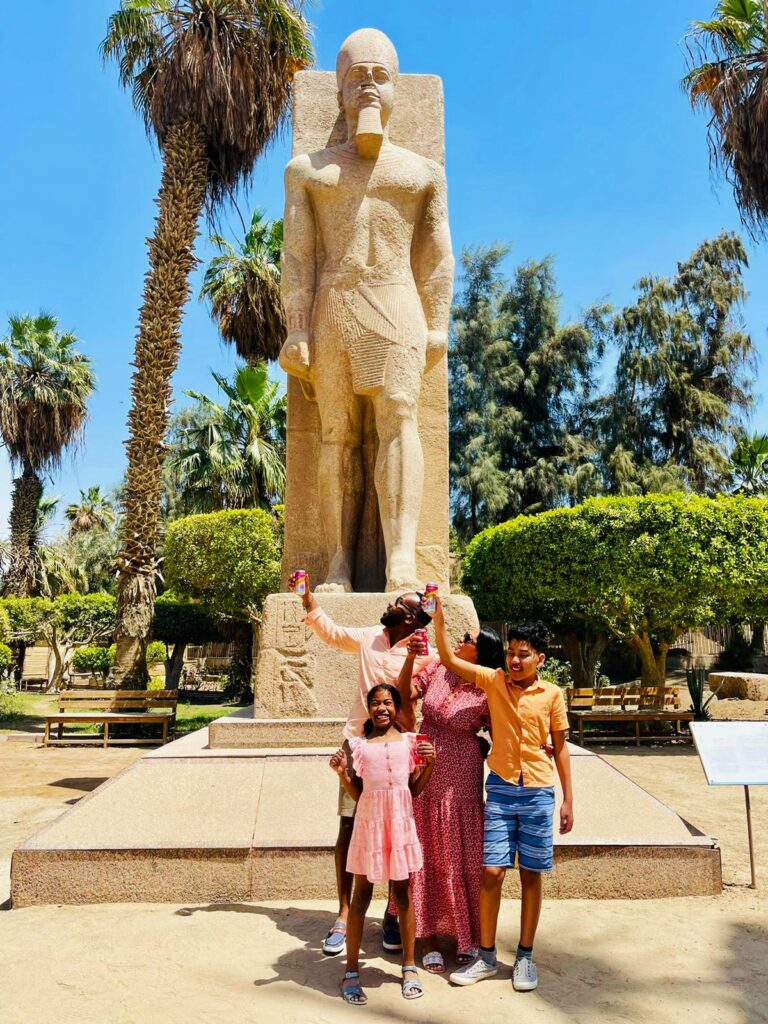
Statue Of King Rameses

Unveiling the Treasures: Highlights of the Museum

The Memphis Open-Air Museum offers a concentrated collection of monumental sculptures and architectural fragments that speak volumes about the city’s past grandeur.

The Colossal Statue of Ramses II: This is undoubtedly the star attraction. Lying prone within a specially constructed pavilion, this enormous limestone statue of Ramses the Great (measuring over 10 meters long) is remarkably well-preserved. You can walk around it on a viewing platform, appreciating the intricate details of the pharaoh’s crown, regalia, and serene facial expression. It’s a breathtaking testament to the scale of ancient Egyptian artistry and the ego of one of its most powerful rulers.

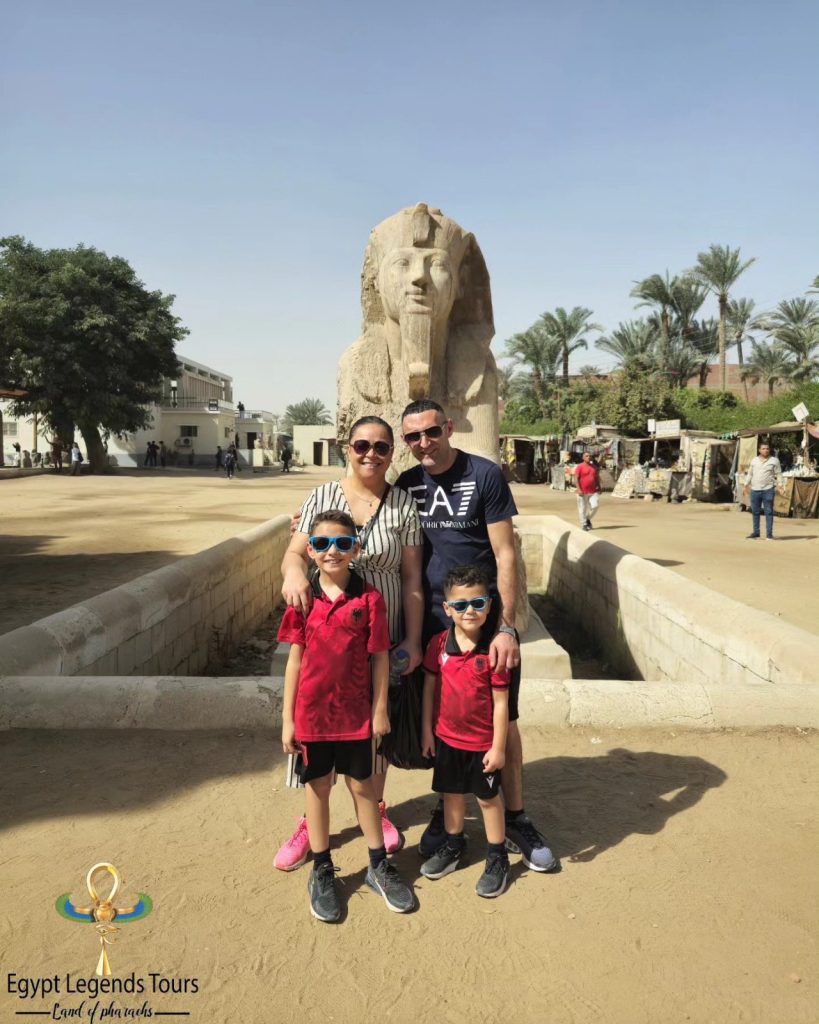
The Alabaster Sphinx of Memphis: Another magnificent piece, this beautifully sculpted alabaster sphinx weighs approximately 80 tons and is believed to date from the New Kingdom, possibly depicting Pharaoh Amenhotep II. Unlike the Great Sphinx of Giza, which is carved from bedrock, this sphinx is a single, exquisitely polished piece of white alabaster, exuding a sense of serene majesty.

Remnants of the Temple of Ptah: While the grand Temple of Ptah is largely gone, you can still see various fragmented statues, column bases, and stone blocks scattered throughout the museum grounds. These provide a tangible connection to the colossal scale of the city’s main cult center.

Other Statues and Artifacts: The museum features a collection of other statues of pharaohs, deities, and officials, as well as stelae and various architectural elements, offering further insights into the diverse artistic and religious practices of ancient Memphis.

Sphinx Of Queen Hatshepsut

Why Visit the Memphis Open-Air Museum

A Crucial Historical Context: Visiting Memphis is essential for understanding the broader Memphis Necropolis (which includes Saqqara and Dahshour) and the evolution of ancient Egyptian monumental architecture. It provides the urban context for the magnificent tombs and pyramids built on the desert plateau.

Intimate Scale: Unlike the vastness of Luxor’s temple complexes, the Memphis Open-Air Museum is relatively compact, allowing for a focused and digestible exploration of its key artifacts. You can get up close to the colossal statues and appreciate their details.

Convenient Location: Situated just a short drive from Cairo, it’s an ideal addition to any Cairo day tour itinerary, often combined with Saqqara and Dahshour for a comprehensive journey through the Old Kingdom.

Photographic Opportunities: The colossal statues against the open sky provide excellent opportunities for memorable photos.

Planning Your Visit:

  • Combine Your Trip: The Memphis Open-Air Museum is best visited as part of a day trip that includes the Step Pyramid of Djoser at Saqqara and the pyramids of Dahshour. This allows for a chronological and geographical understanding of early Egyptian monumental building.
  • Comfortable Attire: As an outdoor site, wear comfortable walking shoes, a hat, and sunscreen, especially during sunny months.
  • Opening Hours: Check current opening hours, as they can vary seasonally (typically 8 AM to 4 PM).

The Memphis Open-Air Museum may not boast intact temples or towering pyramids, but it offers a powerful connection to the very foundations of ancient Egyptian civilization. It’s a place where you can touch the remnants of a city that shaped history, making it an invaluable stop for any serious exploration of Egypt’s archaeological wonders.

Step back in time to the heart of ancient power – discover the secrets of Memphis at its open-air museum!

Dahshour Unveiling the Pyramids of Innovation and Perfection

Beyond the famous Giza Plateau lies a less crowded, yet equally significant, chapter in ancient Egyptian pyramid building: the Dahshour Necropolis. Located approximately 40 kilometers south of Cairo, this ancient royal burial ground is a treasure trove for anyone fascinated by the evolution of pyramid architecture. While Giza boasts the ultimate triumph, Dahshour is where the critical experiments, failures, and eventual successes took place, paving the way for the grand pyramids that followed.

Dahshour: The Cradle of the “True” Pyramid:

The Dahshour Pyramids offer a unique opportunity to witness the remarkable journey of the ancient Egyptians as they refined their construction techniques and architectural understanding. This site is primarily associated with Pharaoh Sneferu, the visionary founder of the 4th Dynasty and father of Khufu (who built the Great Pyramid of Giza). Sneferu’s relentless pursuit of the perfect pyramid is beautifully documented in the structures he left behind at Dahshour.

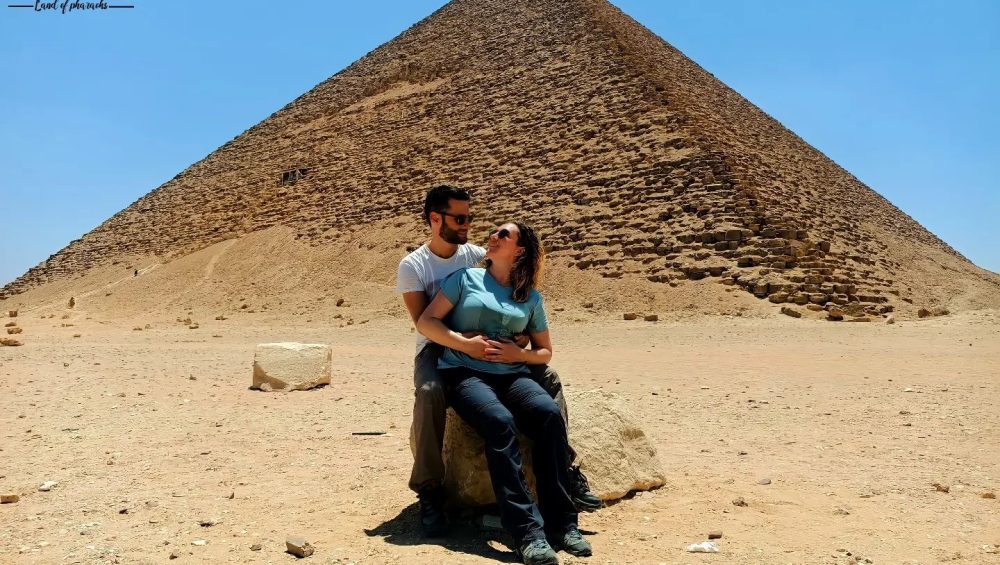
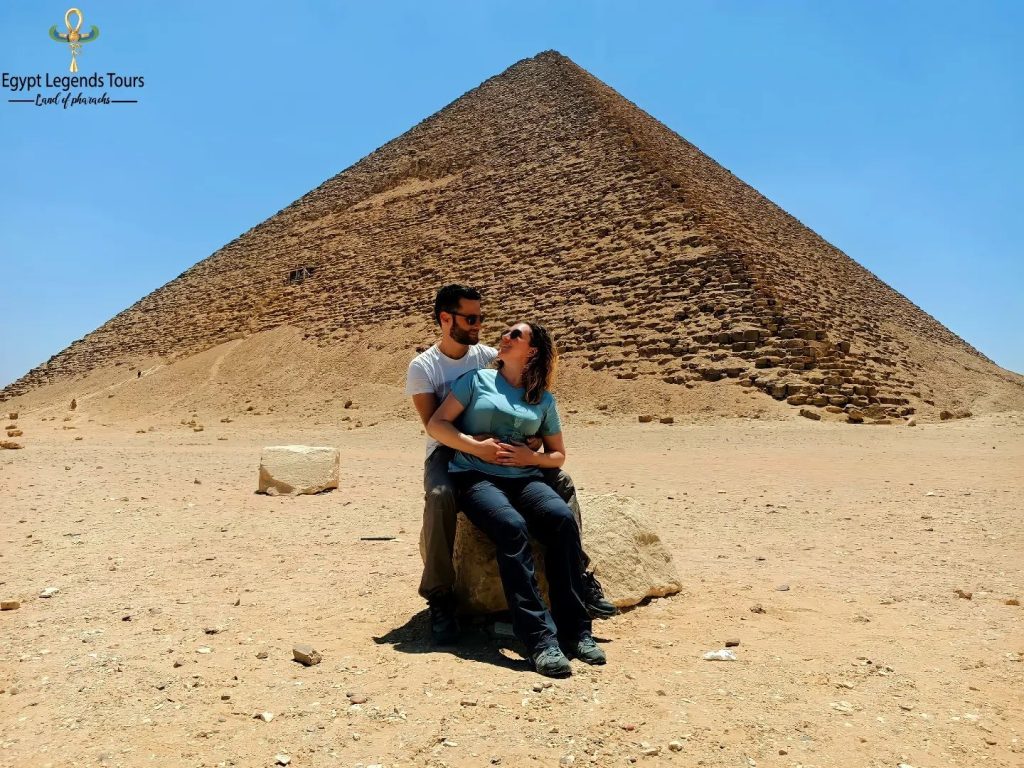
Oldest True Pyramid / Red Pyramid

The Architectural Masterpieces of Dahshour:

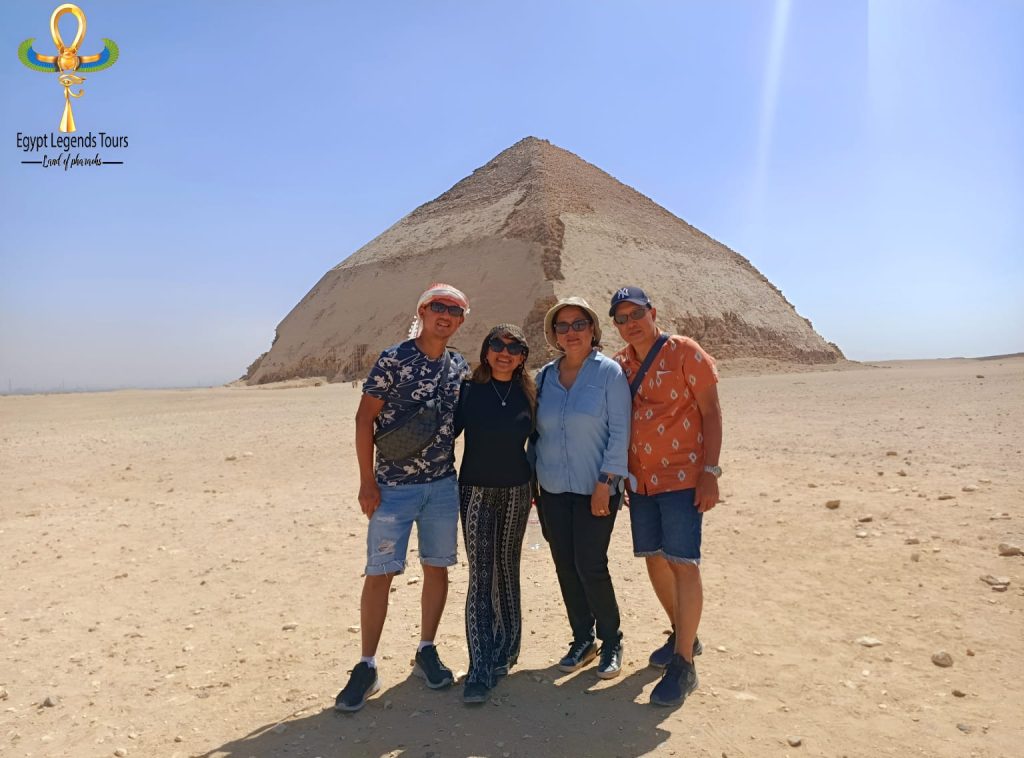
  1. The Bent Pyramid: This iconic pyramid is arguably the most famous at Dahshour and a testament to the trial-and-error process of early pyramid construction. Built for Sneferu, the Bent Pyramid dramatically changes its angle about halfway up, giving it its distinctive “bent” appearance. This shift in inclination, from a steep 54 degrees to a shallower 43 degrees, was likely a last-minute adjustment to prevent structural collapse. It represents a crucial learning experience for the ancient builders, demonstrating their innovative spirit and ability to adapt. You can even enter this unique pyramid and explore its two distinct burial chambers!
  2. The Red Pyramid: Just a short distance from the Bent Pyramid stands the magnificent Red Pyramid, also built by Pharaoh Sneferu. This monumental structure holds immense historical significance as it is widely considered the world’s first true smooth-sided pyramid. Its name comes from the reddish hue of the limestone blocks used in its construction. After the lessons learned from the Bent Pyramid, the Red Pyramid stands as a testament to perfected engineering, making it a pivotal landmark in the history of architecture. Entering the Red Pyramid allows you to experience its vast internal chambers, showcasing the mastery of ancient Egyptian stonemasonry.
The Bent Pyramid
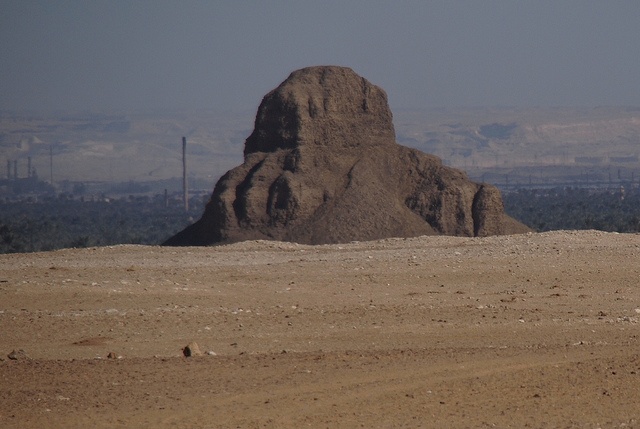
  1. The Black Pyramid (Pyramid of Amenemhat III): While less visually striking today due to extensive erosion, the Black Pyramid is another important monument at Dahshour, dating from the Middle Kingdom (12th Dynasty). Built primarily from mud brick with a limestone casing, it showcases a different architectural approach. Though largely ruined, its remaining core provides valuable insights into later pyramid construction techniques and the challenges faced by builders in different periods.
The Black Pyramid

Why Visit Dahshour?

Photographic Opportunities: The stark desert landscape, combined with the unique shapes of the Dahshour Pyramids, creates stunning photographic opportunities, especially during sunrise or sunset.

Witness Architectural Evolution: Dahshour is the perfect place to understand how the ancient Egyptians progressed from the experimental Step Pyramid at Saqqara to the near-perfect designs of the Giza Pyramids. It’s a living architectural textbook.

Escape the Crowds: Unlike the often bustling Giza Plateau, Dahshour offers a more serene and contemplative experience. You’ll have more space to marvel at these ancient wonders and soak in the historical atmosphere.

Discover Inside Pyramids: Both the Bent Pyramid and the Red Pyramid are open to visitors, providing an incredible opportunity to delve into their mysterious interiors and appreciate their ingenious construction firsthand.

Planning Your Dahshour Excursion:

  • Combine with Saqqara: Dahshour is often visited in conjunction with the Saqqara Necropolis, as they are relatively close and offer a chronological journey through pyramid development.
  • Comfortable Attire: Wear comfortable walking shoes, a hat, sunscreen, and light, breathable clothing, especially given the open desert environment.
  • Stay Hydrated: Always carry plenty of water.

The Dahshour Necropolis offers a compelling narrative of innovation, perseverance, and triumph in ancient Egyptian engineering. It’s a place where the secrets of pyramid building were truly unlocked, making it an essential destination for any traveler seeking a deeper understanding of ancient Egypt’s unparalleled architectural legacy. Don’t miss the chance to explore these fascinating precursors to the Giza wonders!

Discover the secrets of the ancient world – plan your trip to the Dahshour Pyramids today!

Journey to the Beautiful Land of Giants Exploring the Giza Pyramids Necropolis

Are you ready to witness one of the most iconic and enduring symbols of human achievement? Do you dream of standing in the shadow of millennia-old marvels? Then your journey to Egypt isn’t complete without an immersive exploration of the Giza Pyramids Necropolis. This breathtaking archaeological site, a UNESCO World Heritage site and the only remaining Ancient Wonder of the World, offers an unparalleled window into the ingenuity, beliefs, and sheer power of the ancient Egyptian civilization.

The Giza Necropolis: A Testament to Immortality

Nestled on the Giza Plateau, on the western bank of the Nile River, the Giza Necropolis served as the royal burial ground for pharaohs of the Fourth Dynasty (circa 2575–2465 BCE). This sprawling complex is far more than just three pyramids; it’s a meticulously planned city of the dead, designed to ensure the eternal life and divine ascension of its royal occupants. Here, the pharaohs sought to literally touch the heavens, leaving behind a legacy that continues to captivate the world.

The Mighty Three: Pillars of the Past

The undisputed stars of the Giza Necropolis are its three colossal pyramids:

  • The Great Pyramid of Khufu (Cheops): The largest and oldest of the trio, this magnificent structure stood as the tallest man-made building in the world for over 3,800 years. Its sheer scale and the precision of its construction continue to baffle and inspire engineers and historians alike. Stepping inside (for a separate ticket) allows you to experience the narrow passages and impressive chambers, offering a truly unique perspective on its grandeur.
  • The Pyramid of Khafre (Chephren): Slightly smaller than Khufu’s, the Pyramid of Khafre is easily identified by the remnants of its original polished limestone casing near its apex. It’s often photographed with the majestic Great Sphinx in the foreground, creating that iconic Egyptian panorama.
  • The Pyramid of Menkaure (Mykerinus): The smallest of the three main pyramids, Menkaure’s pyramid is nevertheless a stunning feat of engineering and a crucial part of the complex. It once featured a rich granite casing, adding to its imposing beauty.
The Great Pyramid

The Enigmatic Guardian: The Great Sphinx

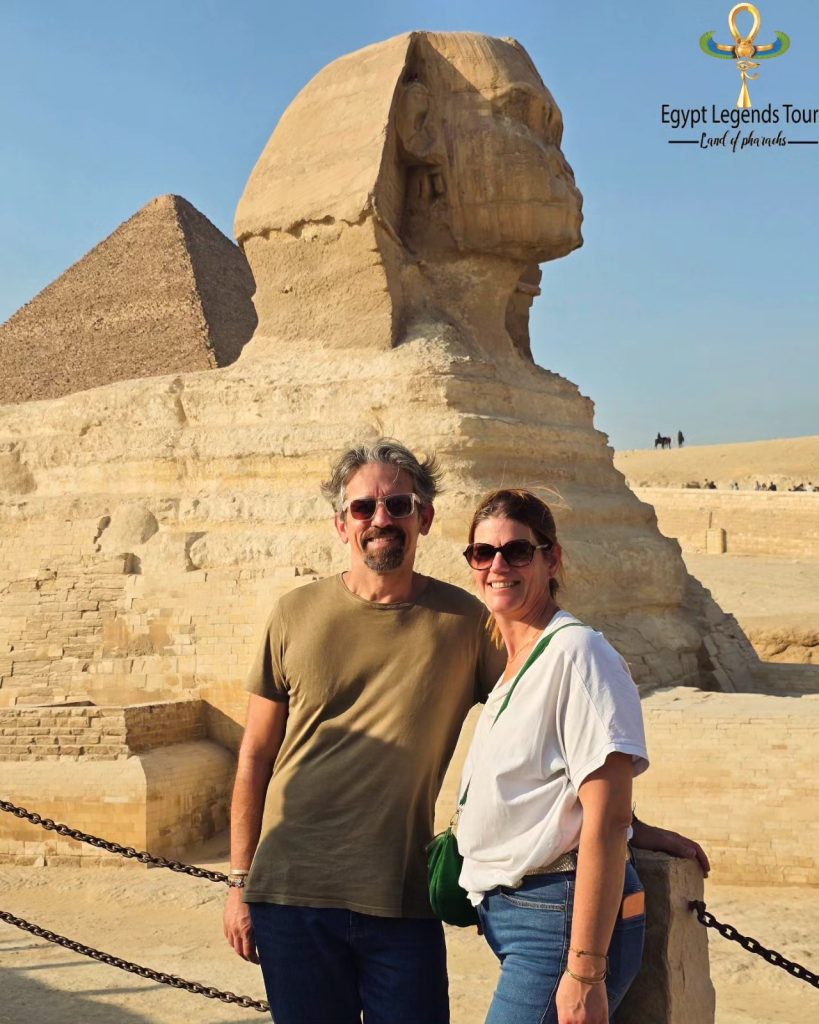
No visit to Giza is complete without beholding the enigmatic Great Sphinx of Giza. This colossal limestone statue, with the body of a lion and the head of a human (believed to represent Pharaoh Khafre), has guarded the Giza Plateau for millennia. Its stoic gaze and mysterious aura make it one of the most recognizable and captivating ancient monuments on Earth.

Valley Temple & Sphinx

Beyond the Pyramids: A Rich Archaeological Landscape

While the major pyramids and the Sphinx dominate the skyline, the Giza Necropolis offers much more for the eager explorer:

  • Queens’ Pyramids: Discover the smaller pyramids associated with the queens of the pharaohs, offering insights into the royal family structure.
  • Mastaba Tombs: Discover the rectangular, flat-topped mastaba tombs of nobles and high-ranking officials. Many of these contain remarkably preserved and vibrant wall reliefs depicting scenes of daily life, offering a fascinating glimpse into ancient Egyptian society and beliefs about the afterlife.
  • Valley Temples and Mortuary Temples: These ruined but still significant structures were part of the elaborate funerary complexes, where rituals for the deceased pharaohs were performed.

Tips for Your Giza Pyramids Tour

To make the most of your Giza Pyramids experience:

  • Go Early: Arrive as close to opening time as possible to beat the heat and the crowds of tour buses.
  • Dress Appropriately: Wear comfortable walking shoes, light, breathable clothing, a hat, and sunscreen.
  • Stay Hydrated: Carry plenty of water, especially during warmer months.
  • Be Prepared for Vendors: You’ll encounter many local vendors offering souvenirs, camel rides, and horse carriage tours. Negotiating prices is expected.
  • Consider a Camel Ride: For a truly memorable experience, a short camel ride can offer unique photo opportunities and a different perspective of the plateau.
  • Go Inside a Pyramid: If you’re not claustrophobic, the experience of entering one of the pyramids is unforgettable. The Great Pyramid, Khafre’s, or Menkaure’s offer access (with separate tickets).

The Giza Pyramids Necropolis is more than just a collection of ancient stones; it’s a vibrant testament to the enduring power of human ambition, faith, and artistic expression. It’s a place where history breathes, and legends come alive.

Embark on your own adventure to Egypt and unlock the timeless mysteries of the Giza Pyramids!