
Nestled deep within Egypt’s Western Desert, close to the Libyan border, lies Siwa Oasis – a secluded, enchanting world unlike anywhere else in Egypt. Far from the bustling metropolises and ancient monuments of the Nile Valley, Siwa offers a unique blend of breathtaking natural beauty, a distinct Berber culture, and a history steeped in ancient prophecy and legend.
For the adventurous traveler seeking an off-the-beaten-path Egypt experience, eco-tourism, and a truly immersive cultural journey, Siwa Oasis is an absolute must-visit.
A Sanctuary of Serenity and Natural Wonders
Siwa’s isolation has preserved its pristine environment and created a landscape of mesmerizing contrasts.
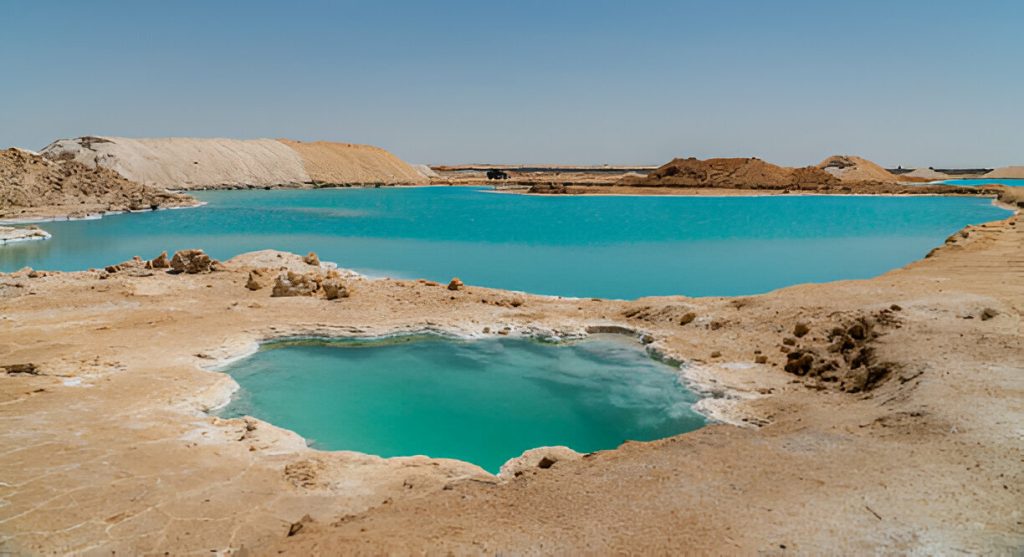
Salt Lakes: Perhaps the most iconic feature of Siwa are its dazzling salt lakes. With a salt concentration so high that you effortlessly float (much like the Dead Sea), these emerald-green to sapphire-blue pools are not only incredibly therapeutic but also offer surreal photographic opportunities against the backdrop of the desert. The sensation of buoyancy is unforgettable!
Cleopatra’s Spring (Ain Juba): A natural spring believed to have been a bathing spot for Queen Cleopatra herself, this cool, refreshing spring is a popular place for a dip, surrounded by lush palm groves. It’s a perfect spot to relax and unwind after a day of exploration.
Gebel Dakrour (Healing Mountain): This mountain is famous for its unique tradition of sand bathing. During the hottest months, locals and visitors alike bury themselves in the hot sand, believed to have therapeutic properties for various ailments, particularly rheumatism.
The Great Sand Sea: Siwa is bordered by the vast and dramatic Great Sand Sea, an expanse of towering sand dunes. This provides the perfect playground for thrilling desert safaris, sandboarding, and stargazing under an incredibly clear desert sky.
A Living History: Ancient Legends and Unique Culture
Siwa’s history is as captivating as its landscapes, shaped by its isolation and its pivotal role in antiquity.
The Oracle of Amun (Temple of the Oracle): Siwa is most famously known as the home of the ancient Oracle of Amun, which gained renown after Alexander the Great famously consulted it in 331 BC to confirm his divine parentage and right to rule Egypt. Although largely in ruins today, the site carries an undeniable aura of mystery and historical significance. Exploring the remnants offers a tangible link to one of history’s most powerful figures.
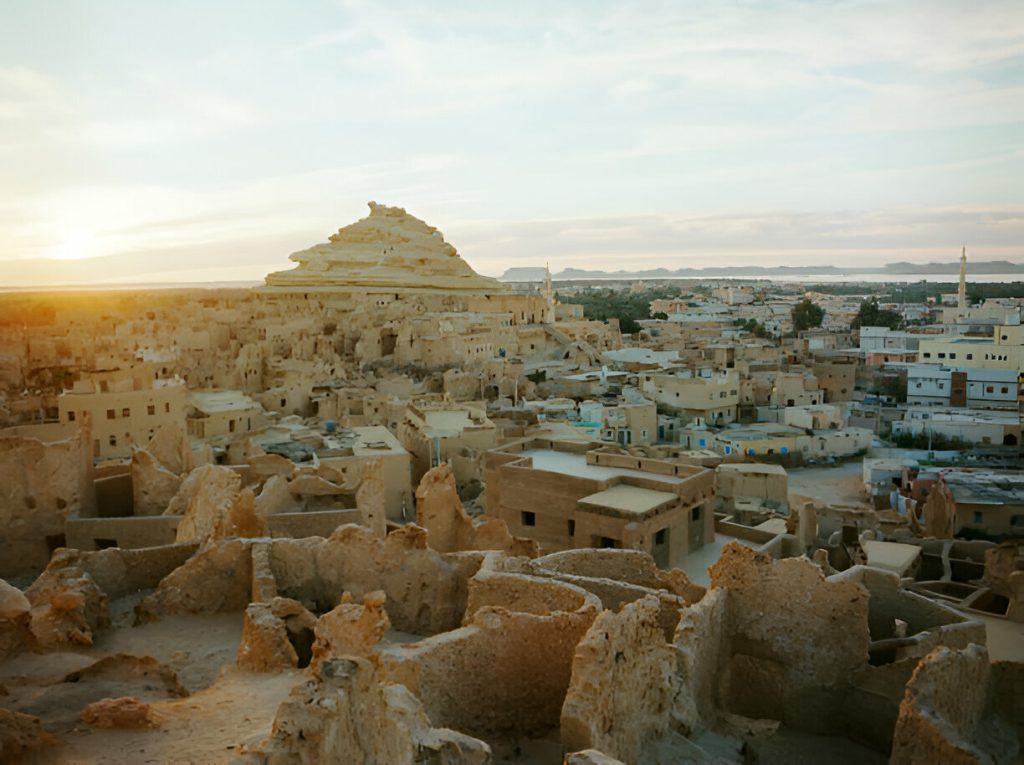
Shali Fortress: Dominating the center of Siwa town are the dramatic mud-brick ruins of the Shali Fortress. Built in the 13th century from “kershif” (a unique mix of salt rock and mud), this ancient stronghold once housed the entire Siwan population, protecting them from desert raids. Climbing its crumbling walls offers panoramic views of the oasis.
Gebel al-Mawta (Mountain of the Dead): Just north of Siwa town, this Roman-era necropolis is dotted with dozens of rock-cut tombs. While many are closed, some are open to visitors, including the Tomb of Si-Amun, known for its well-preserved, colorful frescoes.
The Siwan Culture: A Berber Heart
Siwa’s unique identity stems from its predominant Berber (Amazigh) culture. The Siwans have their own distinct language (Siwi), customs, and traditions, largely preserved due to their long isolation.
Handicrafts: Siwan women are renowned for their intricate embroidery, particularly on traditional wedding dresses and silver jewelry. You’ll also find beautiful pottery, basketry made from palm fronds, and the iconic salt lamps carved from the local rock salt.
Architecture: The traditional architecture, utilizing the kershif mud-brick, gives Siwa its distinctive earthy charm. Many guesthouses and eco-lodges embrace this traditional style.
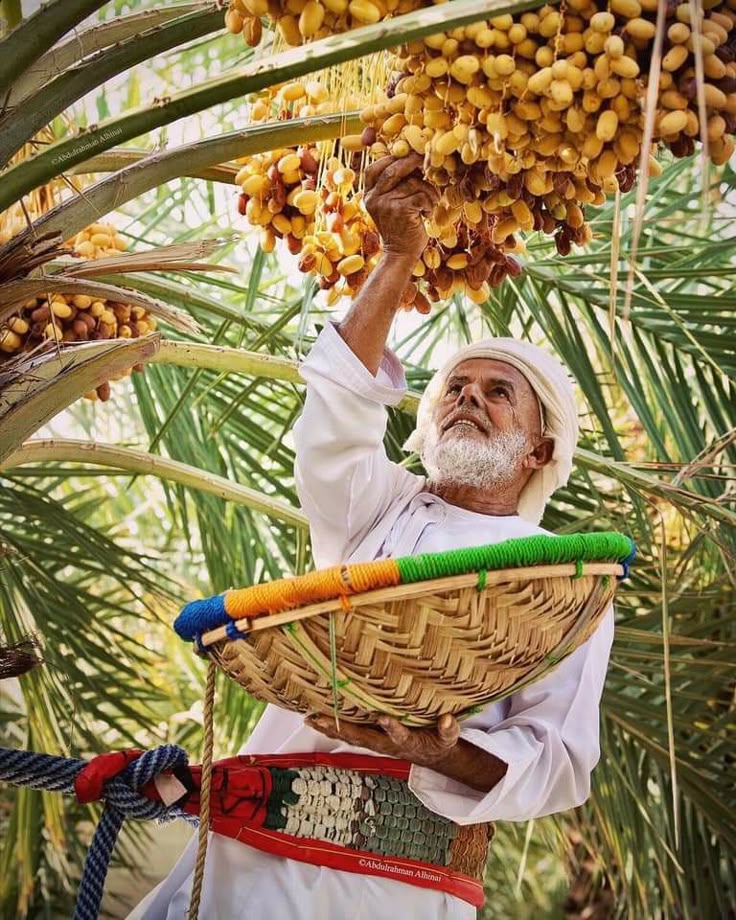
Dates and Olives: Siwa is famed for its abundant date palms and olive groves, which have sustained the oasis for millennia. Siwan dates and olive oil are highly prized throughout Egypt.
Planning Your Siwa Oasis Adventure:
Best Time to Visit: The cooler months from October to April are ideal, as summer temperatures can be extremely hot. Consider visiting during the Siyaha Festival (usually in October), a vibrant annual celebration of Siwan traditions.
Getting There: Siwa is remote. The most common way to get there is by overnight bus from Cairo (approx. 8-10 hours) or by hiring a private car/driver. The journey itself is part of the adventure.
Accommodation: Siwa offers a range of unique accommodations, from charming eco-lodges built with traditional materials to more modern hotels.
Respectful Tourism: Remember that Siwa is a traditional community. Dress modestly, especially when away from resort areas, and be respectful of local customs.
Siwa Oasis is more than just a destination; it’s an escape to a timeless world, a journey that connects you with ancient mysteries, unparalleled natural beauty, and a rich, living culture. It’s an essential experience for anyone seeking a truly unforgettable and authentic Egypt travel adventure.