Luxor The World’s Greatest Open-Air Museum

Often hailed as the “world’s greatest open-air museum,” Luxor is not just a city in modern-day Egypt; it is the breathtaking site of ancient Thebes, the capital of the New Kingdom pharaohs. Standing proudly on the banks of the mighty Nile River, Luxor is a living testament to the grandeur, artistry, and religious devotion of one of history’s most powerful civilizations. For anyone seeking to delve deep into ancient Egyptian history and archaeology, Luxor is an absolute, unmissable destination.

The East Bank: Temples of Gods and Kings

The East Bank of Luxor, where the modern city thrives, is dominated by two colossal temple complexes that once formed the spiritual heart of ancient Thebes.

Karnak Temple Complex: This is not just a temple; it’s a sprawling city of temples, chapels, pylons, and obelisks built over two millennia. As the largest religious site ever constructed, Karnak is dedicated primarily to the god Amun-Ra. Walking through its awe-inspiring Hypostyle Hall, with its 134 massive columns reaching towards the sky, feels like stepping into a sacred forest of stone. Every pharaoh wanted to leave their mark here, making it a chronological record of their devotion and power.

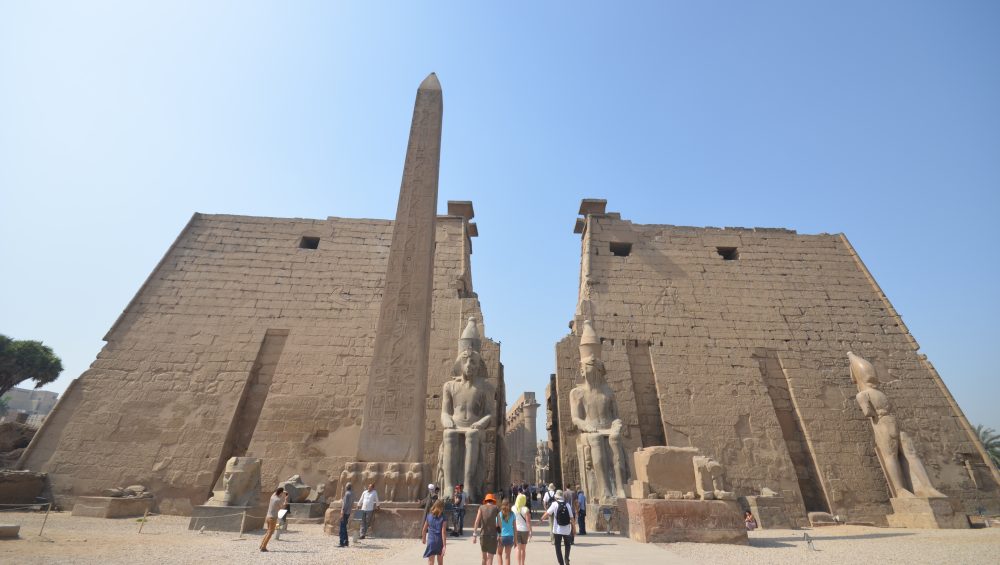
Luxor Temple: Located closer to the city center and beautifully illuminated at night, Luxor Temple is a graceful and elegant sanctuary dedicated to the rejuvenation of kingship. Built largely by Amenhotep III and Ramses II, it was the focal point of the annual Opet Festival, celebrating the fertility of the Nile and the bond between the pharaoh and the gods. The Avenue of Sphinxes, now largely re-excavated and connecting Luxor Temple to Karnak, offers a glimpse into the grand processional routes of antiquity.
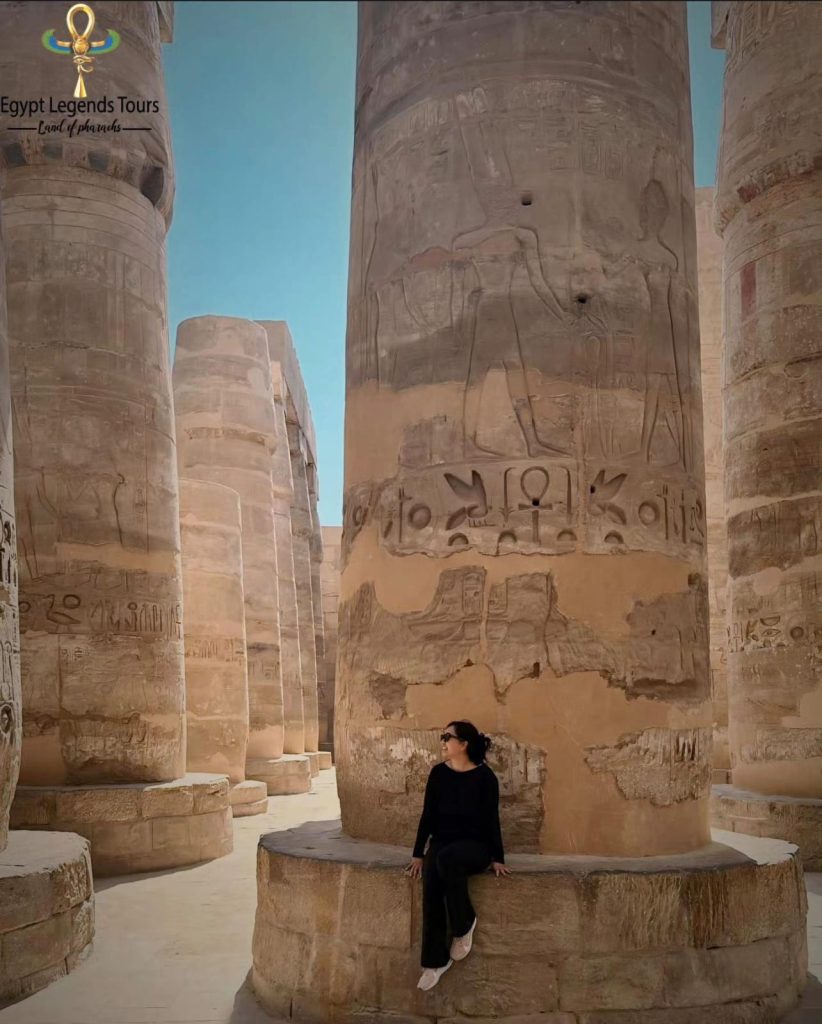
Karnak Temple , Luxor

The West Bank: The City of the Dead

Across the Nile, the West Bank of Luxor is often referred to as the “City of the Dead.” This arid, dramatic landscape served as the royal necropolis for the New Kingdom pharaohs and nobles, where elaborate tombs were carved deep into the desert cliffs, designed to protect the journey to the afterlife.

Valley of the Kings: The most famous burial site in Egypt, the Valley of the Kings is the final resting place for many of Egypt’s most celebrated pharaohs, including the legendary Tutankhamun, Seti I, and Ramses II. Descending into these meticulously decorated tombs, adorned with vibrant hieroglyphs and intricate scenes from the Book of the Dead, is an unforgettable experience. Each tomb offers a unique artistic and historical narrative.

Temple of Hatshepsut (Deir el-Bahari): Dedicated to one of ancient Egypt’s most successful female pharaohs, the Mortuary Temple of Hatshepsut is a striking, multi-terraced structure carved into the limestone cliffs. Its unique design and impressive scale make it a marvel of ancient architecture and a testament to her powerful reign.

Valley of the Queens: The burial ground for the wives and children of the pharaohs, the Valley of the Queens holds some exceptionally beautiful tombs, most notably the richly decorated Tomb of Nefertari, often considered one of the most stunning tombs in Egypt.

Colossi of Memnon: These two massive stone statues of Pharaoh Amenhotep III stand majestically in the fields, silent guardians of what was once his magnificent mortuary temple. They offer an imposing first impression of the West Bank’s monumental scale.

Medinet Habu (Mortuary Temple of Ramses III): Often overlooked but incredibly well-preserved, Medinet Habu is a fortified temple complex adorned with vivid reliefs depicting Ramses III’s military victories and religious festivals. Its colors and details are remarkably intact, offering a vibrant look into New Kingdom art.

Memnon Statue, Luxor

Beyond the Grand Sights:

Luxor Museum: A beautifully curated museum housing a select collection of masterworks discovered in and around Thebes, providing excellent context for the sites you’ll visit.

Mummification Museum: Offers fascinating insights into the ancient Egyptian art and science of mummification.

Nile River Felucca Ride: Experience the tranquility of the Nile on a traditional sailboat, providing stunning views of the East and West Banks, especially at sunset.

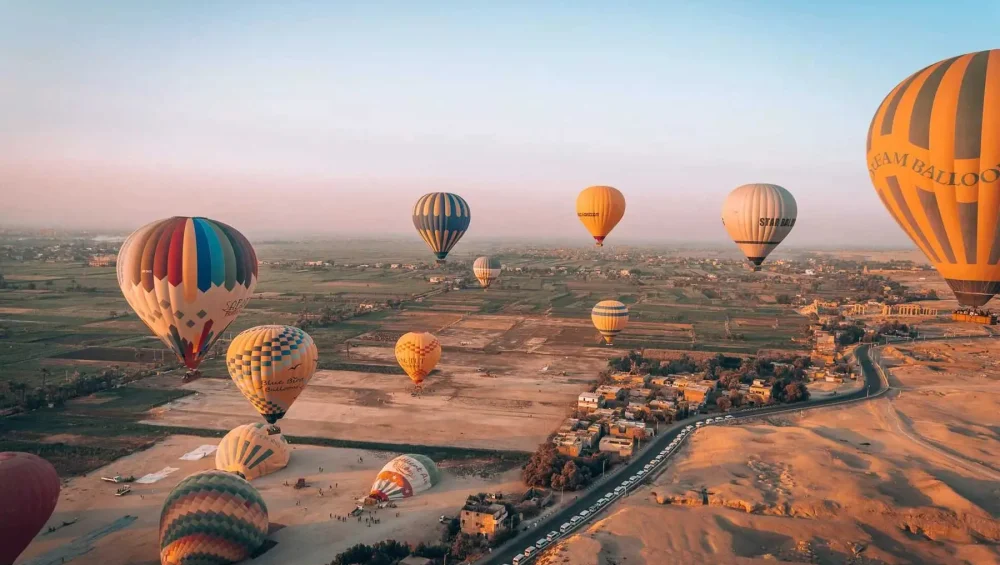
Hot Air Balloon Ride: For an unforgettable panoramic view, a hot air balloon ride at sunrise over the West Bank offers a breathtaking perspective of the temples, valleys, and the vast desert landscape.
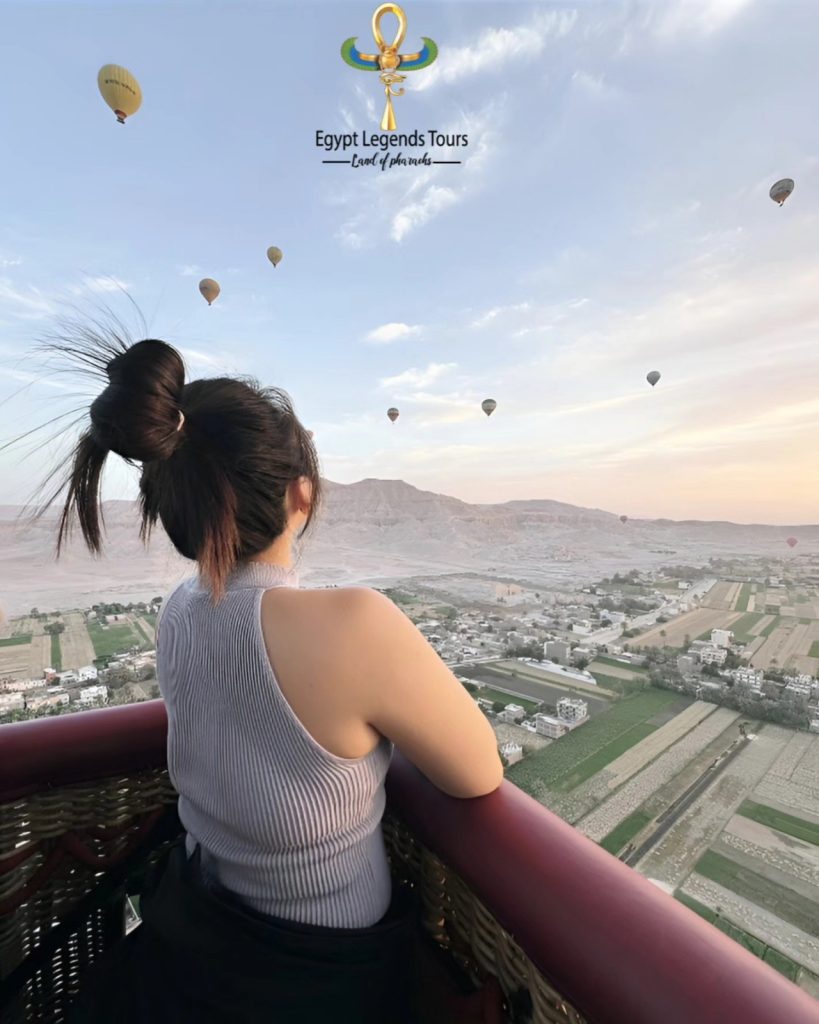
Hot Air Balloon , Luxor

Planning Your Luxor Adventure:

  • Best Time to Visit: The cooler months from October to April are ideal for exploring Luxor, with pleasant temperatures.
  • Comfortable Attire: Dress modestly and wear comfortable walking shoes, a hat, and sunscreen.
  • Stay Hydrated: Always carry plenty of water.

Luxor is more than just a destination; it’s an immersive journey into the heart of ancient Egyptian civilization. Every temple, every tomb, every relief tells a story of pharaohs, gods, and a people’s unwavering belief in the eternal. Prepare to be awestruck.
Unearth the mysteries of ancient Thebes – plan your unforgettable trip to Luxor, Egypt today!

Memphis Open-Air Museum: Stepping into Egypt’s Ancient Capital

While the colossal pyramids of Giza and the sprawling temples of Luxor capture the imagination, few sites offer as intimate a glimpse into the daily life and monumental aspirations of ancient Egypt’s first capital as the Memphis Open-Air Museum. Located at Mit Rahina, just a short drive south of Cairo, this unique archaeological park allows visitors to walk among the scattered remnants of a city that once ruled a powerful empire for millennia.

For any traveler on an Egypt tour interested in the foundational history of this remarkable civilization, the Memphis Open-Air Museum is a vital and easily accessible stop, often combined with a visit to the nearby Saqqara Necropolis and the Dahshour Pyramids.

The Glory That Was Memphis: A Brief History

Founded by King Menes around 3100 BCE, Memphis served as the capital of unified Egypt throughout the Old Kingdom and remained a significant political and religious center for much of ancient Egyptian history. It was the principal cult center for the god Ptah, the patron deity of craftsmen and architects. Though time, natural forces (like the changing course of the Nile), and stone quarrying for later cities have left little of the original city standing, what remains at the open-air museum provides powerful insights.

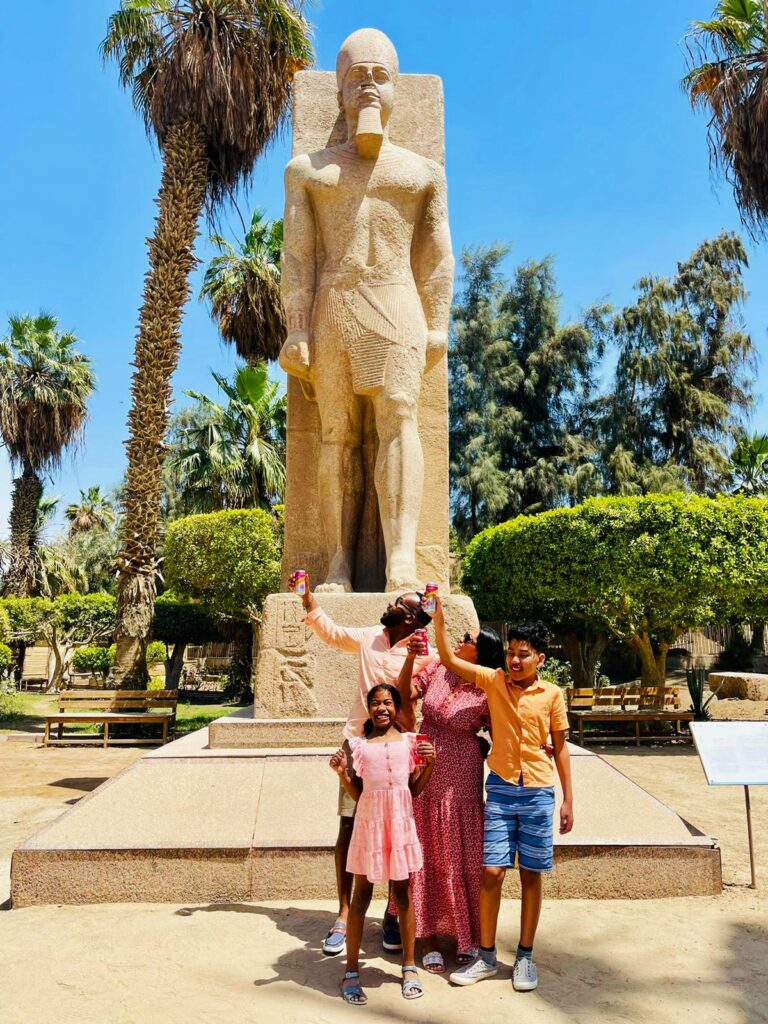
Statue Of King Rameses

Unveiling the Treasures: Highlights of the Museum

The Memphis Open-Air Museum offers a concentrated collection of monumental sculptures and architectural fragments that speak volumes about the city’s past grandeur.

The Colossal Statue of Ramses II: This is undoubtedly the star attraction. Lying prone within a specially constructed pavilion, this enormous limestone statue of Ramses the Great (measuring over 10 meters long) is remarkably well-preserved. You can walk around it on a viewing platform, appreciating the intricate details of the pharaoh’s crown, regalia, and serene facial expression. It’s a breathtaking testament to the scale of ancient Egyptian artistry and the ego of one of its most powerful rulers.

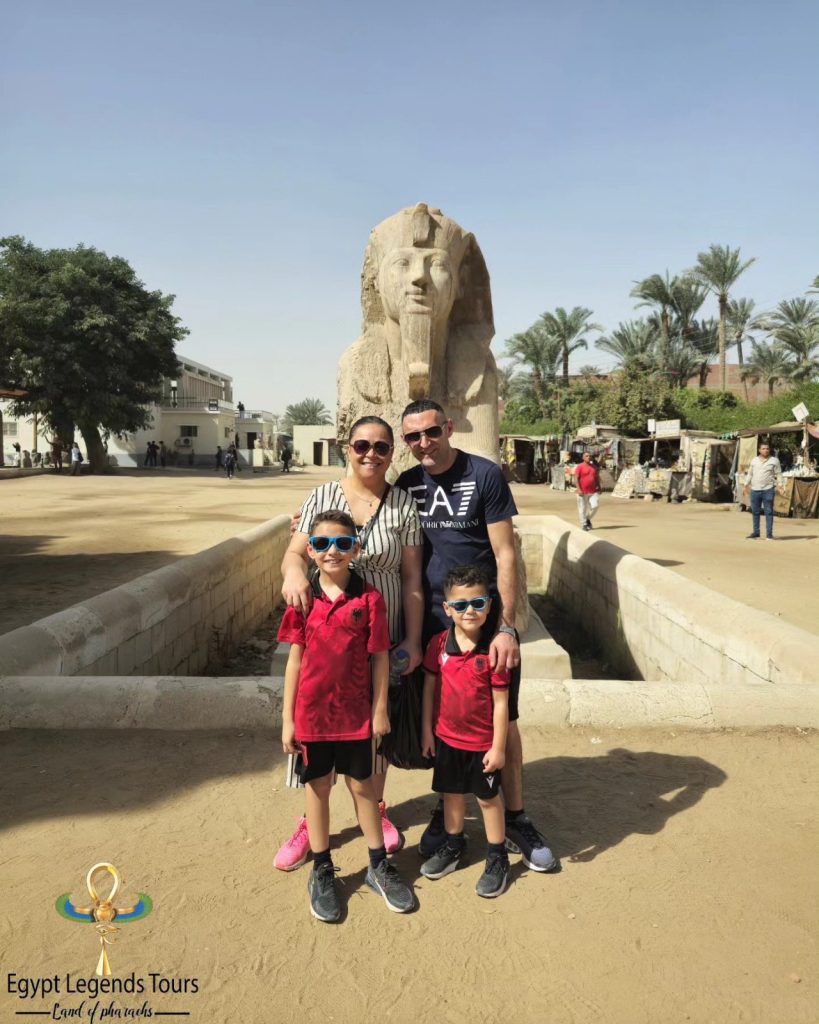
The Alabaster Sphinx of Memphis: Another magnificent piece, this beautifully sculpted alabaster sphinx weighs approximately 80 tons and is believed to date from the New Kingdom, possibly depicting Pharaoh Amenhotep II. Unlike the Great Sphinx of Giza, which is carved from bedrock, this sphinx is a single, exquisitely polished piece of white alabaster, exuding a sense of serene majesty.

Remnants of the Temple of Ptah: While the grand Temple of Ptah is largely gone, you can still see various fragmented statues, column bases, and stone blocks scattered throughout the museum grounds. These provide a tangible connection to the colossal scale of the city’s main cult center.

Other Statues and Artifacts: The museum features a collection of other statues of pharaohs, deities, and officials, as well as stelae and various architectural elements, offering further insights into the diverse artistic and religious practices of ancient Memphis.

Sphinx Of Queen Hatshepsut

Why Visit the Memphis Open-Air Museum

A Crucial Historical Context: Visiting Memphis is essential for understanding the broader Memphis Necropolis (which includes Saqqara and Dahshour) and the evolution of ancient Egyptian monumental architecture. It provides the urban context for the magnificent tombs and pyramids built on the desert plateau.

Intimate Scale: Unlike the vastness of Luxor’s temple complexes, the Memphis Open-Air Museum is relatively compact, allowing for a focused and digestible exploration of its key artifacts. You can get up close to the colossal statues and appreciate their details.

Convenient Location: Situated just a short drive from Cairo, it’s an ideal addition to any Cairo day tour itinerary, often combined with Saqqara and Dahshour for a comprehensive journey through the Old Kingdom.

Photographic Opportunities: The colossal statues against the open sky provide excellent opportunities for memorable photos.

Planning Your Visit:

  • Combine Your Trip: The Memphis Open-Air Museum is best visited as part of a day trip that includes the Step Pyramid of Djoser at Saqqara and the pyramids of Dahshour. This allows for a chronological and geographical understanding of early Egyptian monumental building.
  • Comfortable Attire: As an outdoor site, wear comfortable walking shoes, a hat, and sunscreen, especially during sunny months.
  • Opening Hours: Check current opening hours, as they can vary seasonally (typically 8 AM to 4 PM).

The Memphis Open-Air Museum may not boast intact temples or towering pyramids, but it offers a powerful connection to the very foundations of ancient Egyptian civilization. It’s a place where you can touch the remnants of a city that shaped history, making it an invaluable stop for any serious exploration of Egypt’s archaeological wonders.

Step back in time to the heart of ancient power – discover the secrets of Memphis at its open-air museum!

The Heart of Egypt: A Journey Through Its Vibrant Culture

Egypt is undeniably home to some of the world’s most iconic ancient wonders. But to truly experience this captivating land, one must look beyond the monumental temples and tombs and delve into the vibrant tapestry of its living culture. Egyptian culture is a fascinating blend of ancient traditions, deeply rooted customs, and a warm, resilient spirit that has evolved over millennia.

Join us as we explore the heart and soul of Egypt, offering insights into its hospitality, traditions, and the daily life that makes this country so uniquely charming.

Warmth & Generosity: The Soul of Egyptian Hospitality (Karam)

One of the most striking aspects of Egyptian culture is its profound sense of hospitality, known as ‘Karam’. Visitors often speak of the genuine warmth and generosity extended by locals.

  • Invites for Tea: Don’t be surprised if you’re offered a cup of hot, sweet tea (shai) by a shopkeeper, a taxi driver, or even a casual acquaintance. It’s a gesture of welcome and friendship, and accepting it with a smile is a wonderful way to connect.
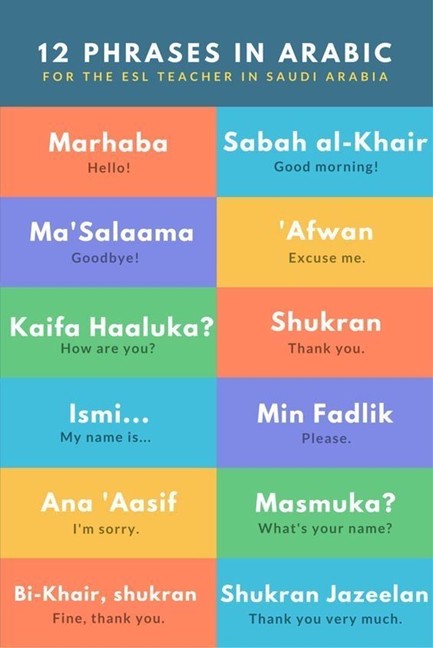
  • A Helping Hand: Egyptians are often eager to assist, whether you’re lost, looking for a specific item, or just need advice. A polite “Shukran” (thank you) goes a long way.
  • Family First: Family is the cornerstone of Egyptian society. You’ll observe close-knit family units, strong community bonds, and a deep respect for elders.


Faith & Festivals: Shaping Daily Life

Religion plays a significant role in Egyptian life, with the majority being Muslim and a substantial Christian minority (Coptic Orthodox). This strong faith influences daily routines, customs, and celebrations.

  • Calls to Prayer: In predominantly Muslim areas, you’ll hear the beautiful calls to prayer (azhan) five times a day, creating an atmospheric backdrop to city life.
  • Religious Sites: Respectful dress (shoulders and knees covered, headscarf for women in mosques) is essential when visiting religious sites. Removing shoes before entering mosques is also customary.
  • Festivals: Major religious holidays like Eid al-Fitr and Eid al-Adha are times of great celebration, feasting, and family gatherings, offering a vibrant glimpse into local traditions.

The Flavors of Egypt: Food as a Social Experience

Egyptian cuisine is hearty, flavorful, and deeply communal. Food isn’t just sustenance; it’s an experience shared with family and friends.

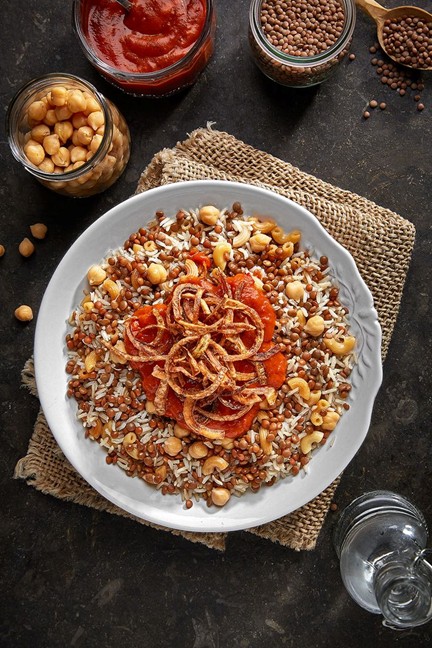
  • Street Food Culture: Don’t shy away from the vibrant street food scene! Try Koshary, a delightful mix of rice, pasta, lentils, chickpeas, and a tangy tomato sauce. Sample crispy Ta’ameya (Egyptian falafel made from fava beans), and savor fragrant street grilled meats.
  • Mint Tea & Coffee: These are social lubricants. Egyptians love to gather over a glass of sweet mint tea or a strong Turkish coffee. It’s an invitation to relax, chat, and connect.
  • Shared Meals: If you’re fortunate enough to be invited to an Egyptian home, prepare for a feast. Meals are often served on large communal platters, emphasizing sharing and togetherness.

Sounds & Rhythms: Music, Dance & Language

  • Arabic Language: While English is widely spoken in tourist areas, learning a few basic Arabic phrases like “Salam Alaikum” (hello/peace be upon you) and “Shukran” (thank you) will be genuinely appreciated.
  • Traditional Music: Listen for the sounds of traditional instruments like the oud (lute) and tabla (drum) that fill the air in cafes and local gatherings. Folkloric dance, like the whirling dervishes or traditional belly dance, also has deep roots.

Navigating Culture: Tips for Respectful Immersion

  • Dress Modestly: As mentioned, dressing respectfully in religious sites and more conservative areas shows respect for local customs.
  • Bargain Gracefully: In markets, bargaining is a cultural dance, not a confrontation. Approach it with humor and patience.
  • Right Hand Rule: When eating or shaking hands, use your right hand, as the left is traditionally considered unclean.
  • Observe and Learn: Pay attention to how locals interact. A smile, a nod, and an open mind are your best tools for positive cultural exchange.

Experiencing Egypt’s culture is as enriching as exploring its ancient wonders. It’s in the bustling energy of Cairo, the serene pace of the Nile, the warmth of its people, and the delicious flavors of its cuisine. When you connect with the heart of Egypt, your journey transforms from a simple sightseeing trip into a profound cultural adventure.

Ready to immerse yourself in the vibrant culture of Egypt?

Navigating Egypt: Essential Tips for a Seamless Adventure

Egypt is a land of unparalleled history and vibrant culture, promising an unforgettable journey. But like any international destination, a little preparation goes a long way. To help you make the most of your adventure, we’ve compiled our top travel tips for a smooth, enjoyable, and truly immersive experience.

Before You Go: Planning Essentials

  • Visa Requirements: Most nationalities require a visa to enter Egypt. You can often obtain an e-Visa online before you travel, which is the most convenient option. Alternatively, a visa-on-arrival is available at major airports for many nationalities, but applying beforehand saves time upon arrival. Always check the latest requirements for your specific nationality well in advance of your trip.
  • Best Time to Visit: The ideal time to explore Egypt is during the cooler months, from October to April. Temperatures are pleasant for sightseeing, especially in Upper Egypt (Luxor and Aswan). The summer months (May to September) can be very hot, but also mean fewer crowds and potentially lower prices.
  • Pack Smart & Light: Think modesty and comfort. Lightweight, breathable fabrics like cotton and linen are ideal. Pack layers, as evenings can be cooler, especially in the desert.
    • For Women: Loose-fitting clothing that covers shoulders and knees is recommended, especially when visiting religious sites. A scarf is also handy for covering your head when entering mosques.
    • For Men: Shorts are generally acceptable in tourist areas, but longer trousers are more respectful for religious sites and evenings.
    • Essentials: Don’t forget a wide-brimmed hat, sunglasses, high-SPF sunscreen, comfortable walking shoes, and any personal medications. A universal travel adapter is crucial.

Money & Mementos: Navigating Local Commerce

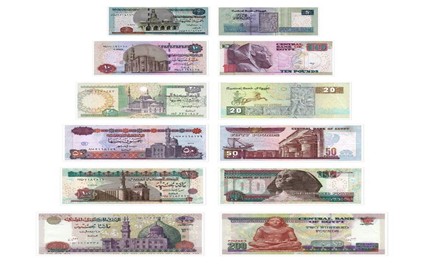
  • Currency: The local currency is the Egyptian Pound (EGP). While credit cards are accepted in major hotels and larger shops, cash is essential for smaller purchases, local markets, and tipping.
  • ATMs: You’ll find ATMs widely available in cities and tourist hubs. Inform your bank of your travel plans to avoid any issues with card usage.
  • Tipping (Baksheesh): Tipping is an integral part of Egyptian culture. A small tip (baksheesh) is expected for almost every service – from baggage handlers and restroom attendants to guides and drivers. Carry small denominations of Egyptian Pounds for this purpose.
  • Bargaining: In local markets like Cairo’s Khan el-Khalili, bargaining is expected and part of the fun! Start with an offer significantly lower than the asking price and negotiate politely and with a smile. It’s an art form, so enjoy the process!

Health & Safety: Staying Well and Secure

  • Stay Hydrated: The Egyptian sun is strong! Drink plenty of bottled water throughout the day to avoid dehydration. Avoid tap water.
  • Food Savvy: Embrace Egyptian cuisine, but be mindful. Stick to cooked foods, peel fruits, and opt for busy restaurants where food turnover is high. Street food can be delicious, but choose vendors with a high volume of local customers.
  • Sun Protection: Sunburn can quickly ruin your trip. Always use high-SPF sunscreen, wear a hat, and seek shade during the hottest parts of the day.
  • Respectful Photography: Always ask for permission before taking photos of individuals, especially women and children. Be discreet and respectful. Avoid photographing military installations, government buildings, or bridges.
  • Guides & Drivers: When booking tours or transportation, use reputable tour operators and licensed guides/drivers. This ensures safety, expertise, and a smoother experience.

Cultural Immersion: Connecting with Egypt

  • Embrace the Pace: Life in Egypt, especially in local areas, moves at its own rhythm. Patience and flexibility will enhance your experience.
  • Local Hospitality: Egyptians are famously warm and welcoming. Don’t be surprised if locals offer you tea or engage in friendly conversation. Embrace these interactions – they are often among the most memorable parts of the trip.
  • Dress Modestly: While tourist areas are more lenient, dressing respectfully, particularly when visiting mosques, churches, or smaller villages, shows appreciation for local customs.
  • Learn a Few Phrases: “Shukran” (thank you), “Merhaba” (hello), and “Insha’Allah” (God willing) can go a long way in building rapport.

Egypt is an incredible country, and with these tips in your pocket, you’re well-prepared for an adventure of a lifetime. The ancient wonders await, ready to captivate your imagination and create stories you’ll cherish forever.

Ready to plan your Egyptian adventure?

How to Celebrate Christmas in Egypt 2025/2026: A Unique Blend of Ancient Faith & Festive Cheer

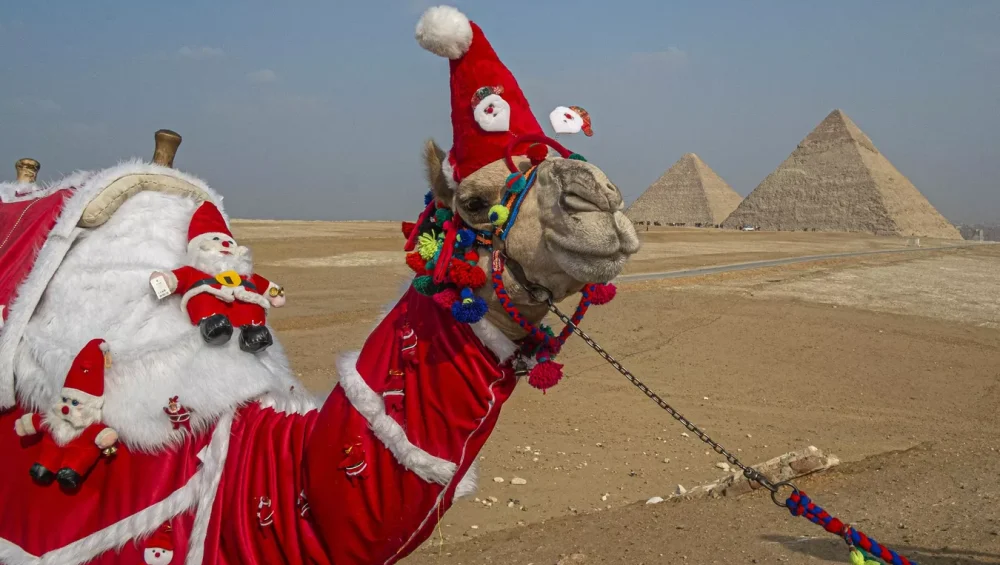
When you think of Christmas, images of snow, Santa Claus, and December 25th often come to mind. But in Egypt, Christmas takes on a truly unique and deeply spiritual dimension, particularly for its vibrant Christian population, predominantly the Coptic Orthodox Church. While international hotels and resorts cater to December 25th celebrations, the heart of Egyptian Christmas beats on January 7th.

If you’re considering a trip to Egypt during the festive season of 2025 or early 2026, prepare for an experience unlike any other. Here’s what you need to know about celebrating Christmas in the Land of the Pharaohs.

The Heart of Egyptian Christmas: Coptic Orthodox Traditions

For the majority of Egypt’s Christians, Christmas (known as Eid El Milad) follows the Coptic calendar and is celebrated on January 7th. This deeply spiritual holiday is preceded by a significant period of devotion:

  • The Nativity Fast (43 Days): Starting on November 25th, Coptic Orthodox Christians observe a strict vegan fast, abstaining from all meat, poultry, fish, eggs, and dairy products. This period of purification and reflection culminates on Christmas Eve.
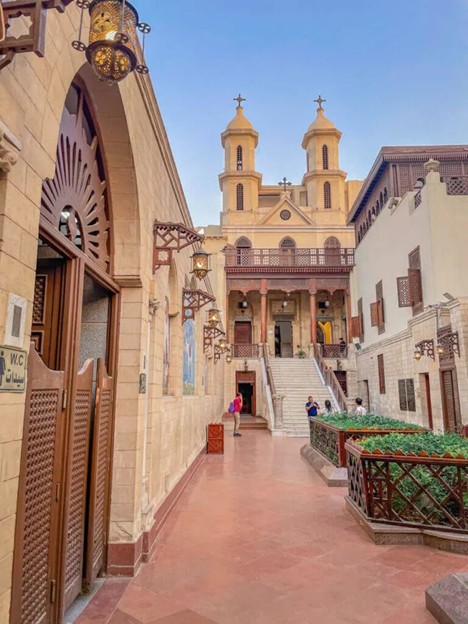
  • Christmas Eve (January 6th, 2026): This is the most significant part of the celebration. Families gather for special church services that often begin in the evening and last until well past midnight. The atmosphere in churches, particularly historic ones like those in Coptic Cairo, is incredibly solemn yet joyful, filled with hymns and prayers.
  • Breaking the Fast (Fata Time!): As the clock strikes midnight on January 7th (or upon returning home from church), families break their long fast with a celebratory feast. The quintessential dish for this occasion is “Fata,” a rich and hearty meal made of layers of rice, toasted bread, and generous portions of lamb or beef stew, drenched in a garlic-vinegar tomato sauce.
  • Christmas Day (January 7th, 2026): This is a day for family visits, exchanging gifts (often simpler and more modest than Western traditions), and continued feasting. The spirit is one of profound peace, gratitude, and communal joy.

How Tourists Can Experience Christmas in Egypt

Whether you’re in Egypt for the December 25th holiday or planning to witness the unique January 7th celebrations, there are ways to embrace the festive spirit:

  • Coptic Cairo Immersion: A visit to Coptic Cairo is a must. Discover the Hanging Church (El Muallaqa), the Church of St. Sergius and Bacchus (where the Holy Family is believed to have rested), and the Ben Ezra Synagogue. During Christmas, these areas feel particularly vibrant.
  • Attending Midnight Mass: If you wish to experience a Coptic Christmas Eve service, you are generally welcome to attend. Dress modestly (shoulders and knees covered, headscarf for women), arrive early, and be prepared for a long service. This is a profound spiritual experience, not a tourist attraction, so observe with respect.
  • Hotels & Resorts (December 25th): Many larger hotels and international resorts, especially in Cairo, Luxor, Aswan, and the Red Sea (Hurghada, Sharm El Sheikh), cater to international guests by celebrating Christmas on December 25th. You’ll find festive decorations, special Christmas Eve dinners, and often entertainment to mark the occasion. These are excellent options if you prefer a more familiar holiday atmosphere.
  • Savor Festive Cuisine: If you’re fortunate enough to be invited to a local home during the Coptic Christmas period, embrace the opportunity to taste traditional holiday dishes like Fata. Otherwise, many Egyptian restaurants will feature seasonal specialties.
  • Enjoy the Festive Atmosphere: While not as globally pervasive as in Western countries, you’ll find festive lights and decorations in Christian neighborhoods and major shopping centers in cities like Cairo and Alexandria.

Key Dates for Your 2025/2026 Christmas Trip:

  • Wednesday, December 25, 2025: Western Christmas Day. (Celebrated by international hotels and some expatriate communities).
  • Monday, January 5, 2026: Coptic Christmas Eve Fast Breaking (some might start festivities this evening).
  • Tuesday, January 6, 2026: Coptic Christmas Eve (Midnight Mass).
  • Wednesday, January 7, 2026: Coptic Christmas Day.

Tips for Celebrating Christmas in Egypt:

  • Book in Advance: If traveling around the December 25th or January 7th periods, flights, hotels, and tours can fill up quickly.
  • Respectful Dress: When visiting churches or more traditional areas, dress modestly out of respect for local customs.
  • Embrace the Difference: Come with an open mind and appreciate the unique cultural and religious traditions that shape Christmas in Egypt.
  • Check Local Schedules: Confirm church service times or hotel festive programs closer to your travel date.

Celebrating Christmas in Egypt offers a truly unique and enriching experience, blending ancient faith with festive cheer. Whether you find yourself amidst the joyous midnight masses on January 7th or enjoying a festive dinner on December 25th, your holiday in Egypt promises to be unforgettable.

Ready to plan your special holiday in Egypt?

Egypt in September: Beat the Crowds, Embrace the Warmth

Dreaming of ancient wonders but want to avoid the peak crowds and the intense summer heat? September in Egypt might just be your perfect window. As the scorching summer begins to mellow, Egypt transforms into a more inviting destination, offering a unique blend of vibrant energy and slightly more comfortable temperatures.

While it’s still warm, especially in the south, September marks the transition towards the prime travel season. You’ll find fewer crowds than in the cooler months, making for a more intimate experience at iconic sites. Let’s dive into what makes visiting Egypt in September a fantastic choice for your adventure.

September’s Climate: Warm, But Waning

September in Egypt is a month of transition. The intense heat of July and August begins to subside, but don’t pack away your summer clothes just yet!

  • Cairo & Northern Egypt: Expect daily averages around 28-32°C (82-90°F), with cooler evenings. Humidity can still be present, especially earlier in the month.
  • Luxor, Aswan & Southern Egypt: These regions remain hot, with averages around 32-38°C (90-100°F). While warm, it’s significantly milder than the peak summer, and dry heat can make it feel more manageable than humid conditions elsewhere.
  • Red Sea Coast (Hurghada, Sharm El Sheikh): Temperatures here will also be warm, averaging around 30-35°C (86-95°F), perfect for enjoying the beaches and diving. The sea water is wonderfully warm, too!

Key takeaway: While it’s still warm, the sun isn’t as relentlessly harsh as mid-summer, especially by the end of the month. Mornings and evenings become increasingly pleasant.

Why September is a Great Time to Visit

  1. Fewer Crowds: September precedes the absolute peak season (October-April). This means fewer tourists at major sites like the Pyramids, Karnak Temple, and the Valley of the Kings. You’ll often find yourself with more space to explore and capture those perfect, unobstructed photos.
  2. Excellent for Water Activities: The Red Sea is at its prime! The water is incredibly warm and clear, offering fantastic conditions for snorkeling, scuba diving, and other water sports.
  3. Vibrant Local Life: As the weather cools slightly, local life spills back onto the streets in the evenings. Cafes buzz, and Egyptians enjoy the more comfortable temperatures after sunset, offering a lively cultural atmosphere.
  4. Value for Money (Potentially): Early September can sometimes offer slightly better deals on flights and accommodations compared to the high season, especially before European school holidays kick in fully.

Top Activities for Your September Trip

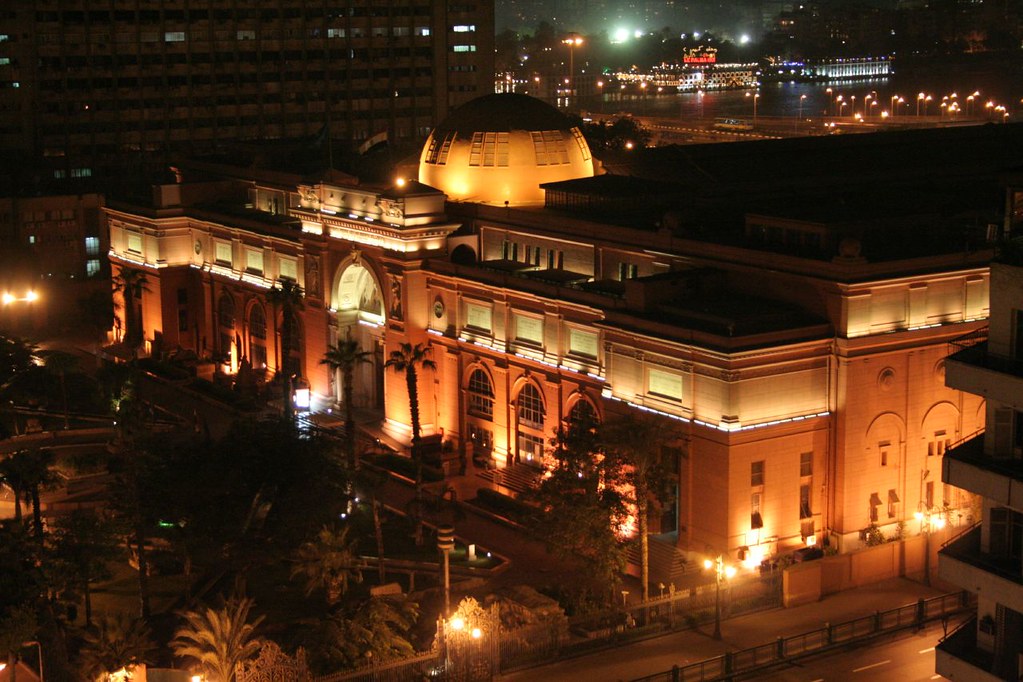
Cairo’s Indoor Wonders & Evening Charm: Discover Cairo’s grand museums like the Grand Egyptian Museum (GEM), the Egyptian Museum in Tahrir, or the National Museum of Egyptian Civilization (NMEC) during the hotter parts of the day. As evening approaches, immerse yourself in the bustling Khan el-Khalili bazaar, enjoy a felucca ride on the Nile, or dine at a rooftop restaurant.

Early Morning Site Visits: To beat the heat in Luxor and Aswan, plan your visits to major temples and tombs for early mornings. Witnessing sites like Karnak Temple or the Valley of the Kings as the sun rises and the air is freshest is a magical experience.

Nile Cruise: A Nile River cruise between Luxor and Aswan is highly recommended. You can relax on deck, enjoy the breeze, and visit temples along the river without enduring direct midday sun for extended periods. Most boats have pools for a refreshing dip.

Red Sea Relaxation & Adventure: Dedicate a few days to the Red Sea coast. Whether you’re in Hurghada or Sharm El Sheikh, the warm waters are ideal for swimming, sunbathing, snorkeling through vibrant coral reefs, or embarking on a thrilling dive.

Essential Tips for Traveling in September

  • Hydrate Relentlessly: Even if it feels cooler, the sun is strong. Drink bottled water constantly throughout the day to stay hydrated.
  • Sun Protection is Key: Pack high-SPF sunscreen, a wide-brimmed hat, and sunglasses. Seek shade whenever possible.
  • Dress Smart: Opt for lightweight, breathable fabrics like cotton and linen. Loose-fitting clothing that covers your shoulders and knees is recommended for modesty and sun protection, especially when visiting religious sites.
  • Embrace Early Starts: For archaeological sites, mornings are your best friend.
  • Book Accommodation with Air Conditioning: This is a non-negotiable for comfort.
  • Stay Flexible: Listen to your body and don’t hesitate to adjust your plans if you need a break from the heat.

September offers a wonderful bridge between the summer and prime seasons, providing a more relaxed atmosphere and fantastic opportunities to explore Egypt’s wonders. With smart planning and an appreciation for the climate, your September journey will be filled with unforgettable memories.

Ready to experience Egypt’s wonders in September?

Beyond the Tombs Unveiling Egypt’s Thrilling Adventures!

Egypt. For many, the name conjures images of ancient pyramids and majestic pharaohs. And while its unparalleled history is undeniably captivating, Egypt is also a playground for the adventurous spirit! From the exhilarating rush of desert dunes to the vibrant underwater worlds and breathtaking aerial views, this ancient land offers a surprising array of thrilling activities.

If your idea of travel involves more than just sightseeing – if it includes heart-pumping excitement, unique perspectives, and unforgettable challenges – then prepare to discover the adventurous side of Egypt!

Conquer the Sands: Desert Adventures

Egypt’s vast desert landscapes offer the perfect canvas for exhilarating escapades.

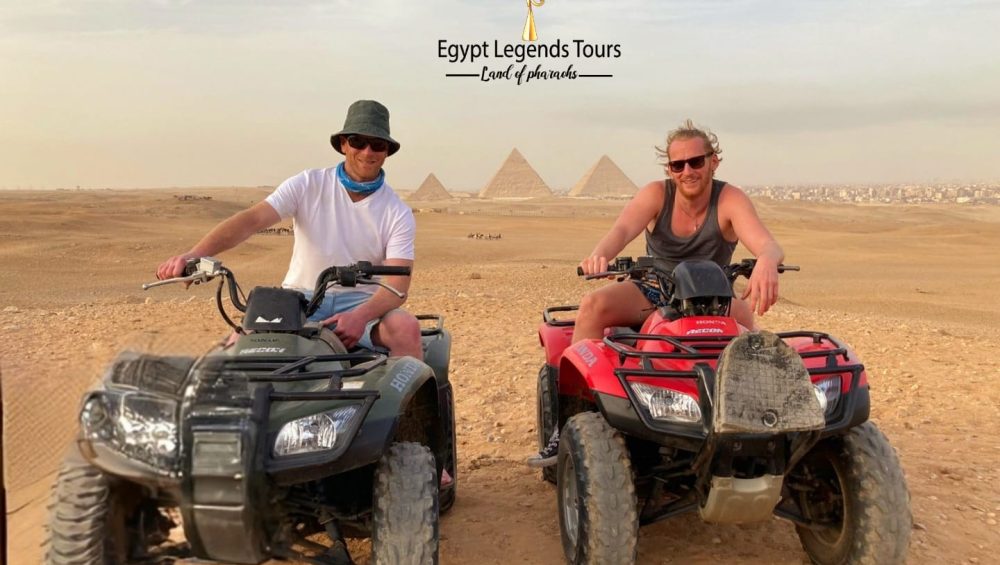
  • Quad Biking & Dune Buggy Safaris: Feel the adrenaline as you speed across the golden dunes of the Sahara, kicking up sand trails against a stunning desert backdrop. These guided tours, often combined with a visit to a Bedouin tent for tea, are a fantastic way to experience the desert’s raw beauty.
  • Sandboarding: Why just look at the dunes when you can slide down them? Grab a board and experience the unique thrill of sandboarding, a fun and active way to engage with the desert environment.
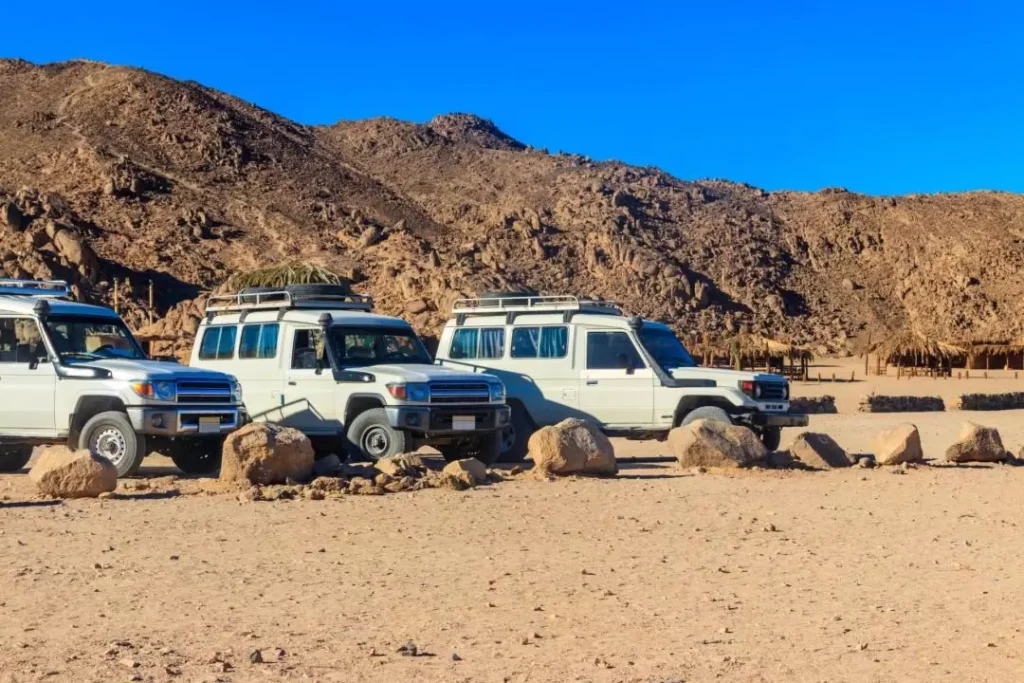
  • Jeep Safaris to Hidden Oases: Embark on a rugged jeep adventure deep into the Western Desert, exploring surreal landscapes like the White Desert with its bizarre chalk formations, or reaching the serene Siwa Oasis, a true desert paradise with hot springs and ancient fortresses. Spend a night camping under a canopy of stars for an unparalleled experience.

Beyond the Pyramids Dive into Egypt’s Most Exciting Activities

Egypt is renowned for its ancient wonders, but a trip here offers so much more than just historical exploration. From thrilling desert adventures to serene river cruises and vibrant cultural immersions, Egypt is packed with activities that promise to make your journey truly unforgettable.

Whether you’re an adrenaline junkie, a culture enthusiast, or simply seeking relaxation, prepare to discover the incredible range of experiences waiting for you.

Iconic Adventures & Historical Immersion

Of course, no visit to Egypt is complete without engaging with its legendary past. But even here, there are dynamic ways to experience it:

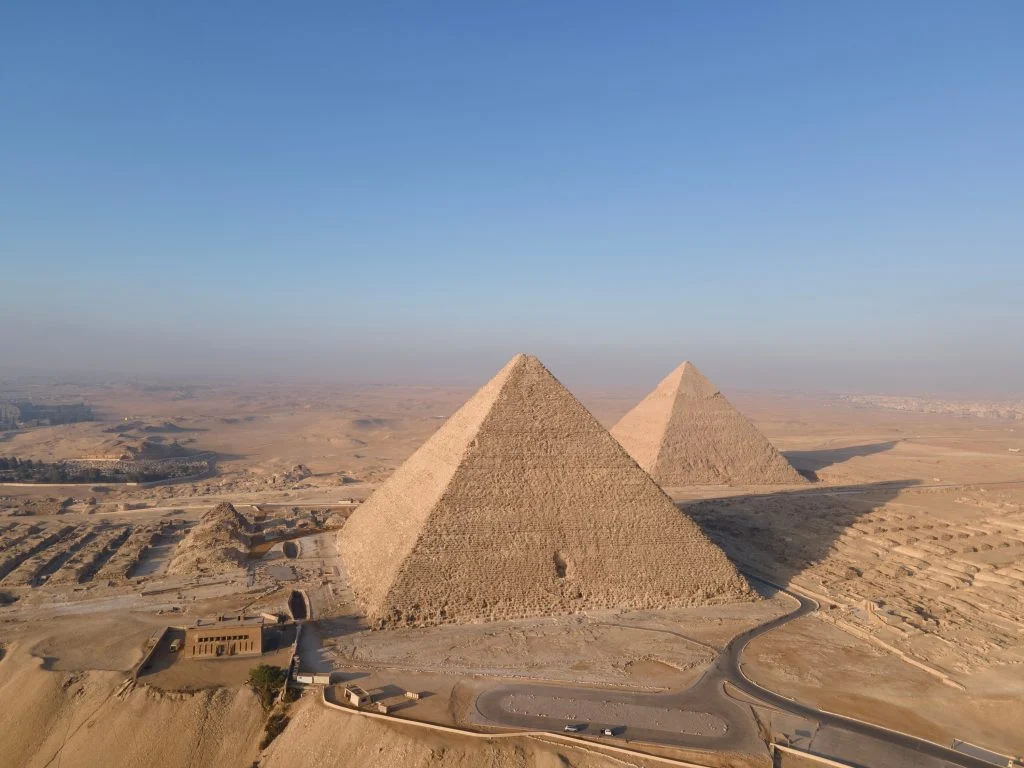
Discovering the Pyramids: A Journey Through Time

  • Hot Air Ballooning over Luxor: Imagine drifting silently above the Valley of the Kings, watching the sun paint the ancient temples and the fertile Nile Valley in hues of gold and amber. A hot air balloon ride in Luxor is a truly magical and breathtaking way to grasp the immense scale of this open-air museum.
  • Nile River Cruises: The lifeline of Egypt, the Nile offers a relaxing and immersive way to travel between Luxor and Aswan. Cruising allows you to witness daily life along the riverbanks, enjoy stunning sunsets, and easily access major temples like Edfu and Kom Ombo right from your boat. It’s a journey steeped in history and tranquility.
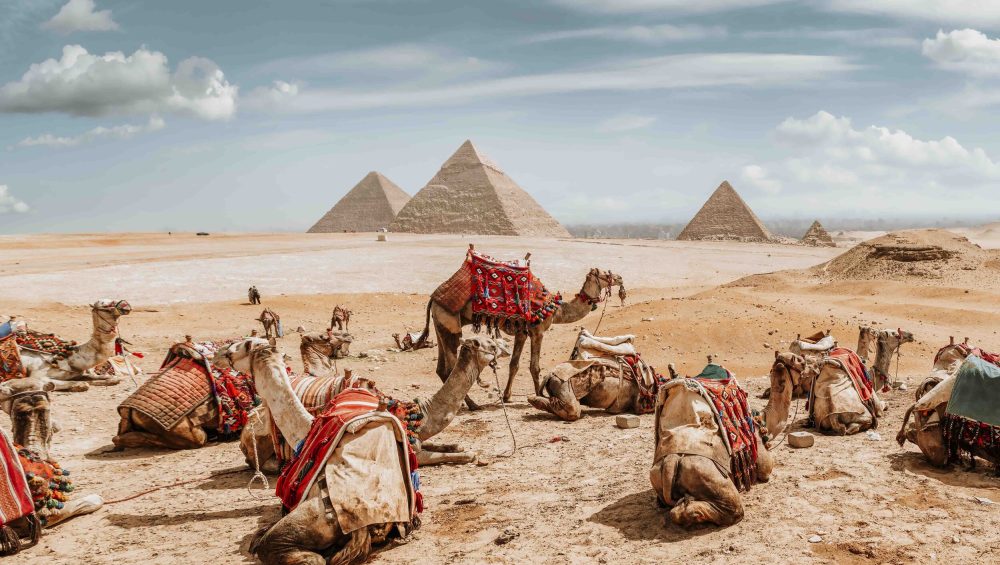
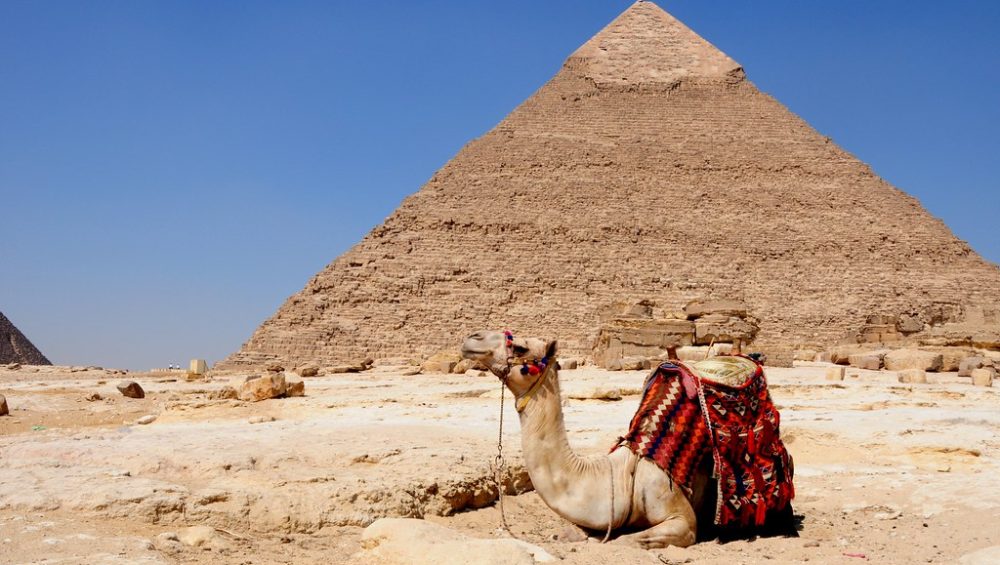
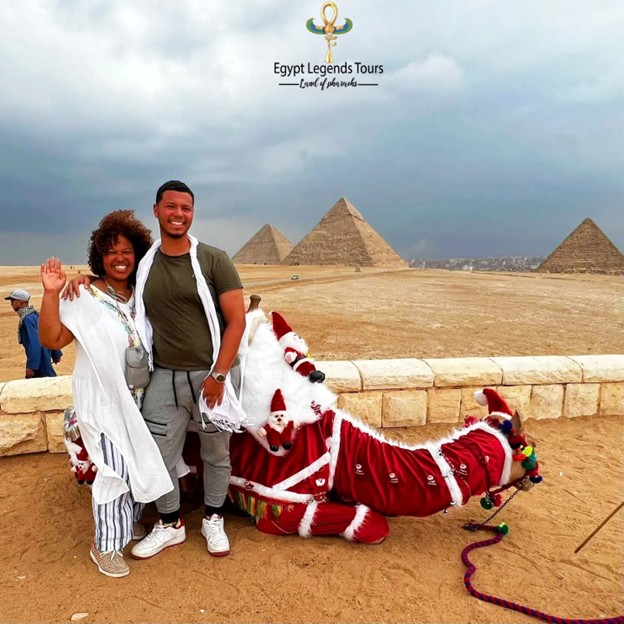
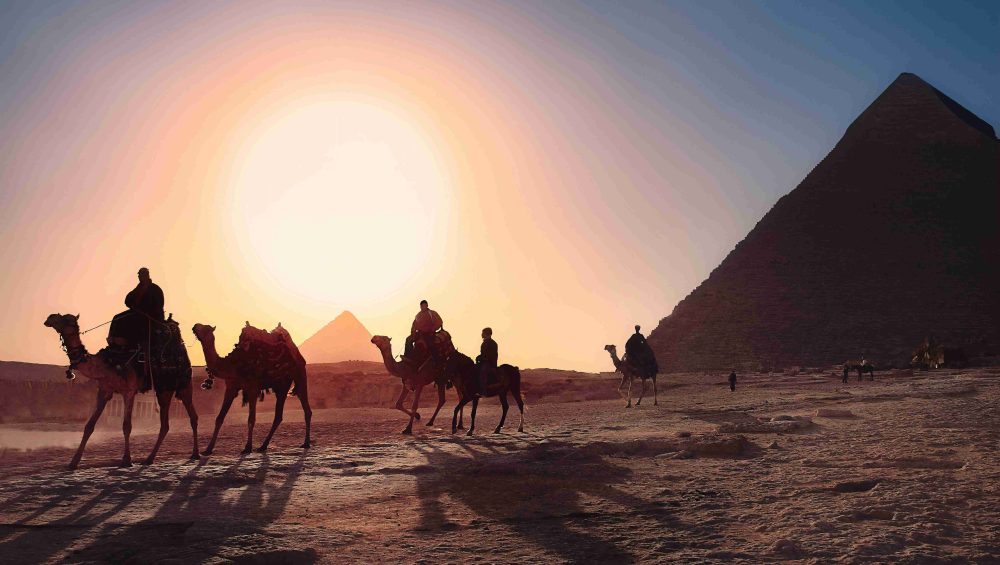
  • Camel or Horseback Riding at Giza: Get a unique perspective of the Pyramids and Sphinx by taking a camel or horseback ride across the Giza plateau. This classic activity offers fantastic photo opportunities and an adventurous feel as you traverse the desert sands.
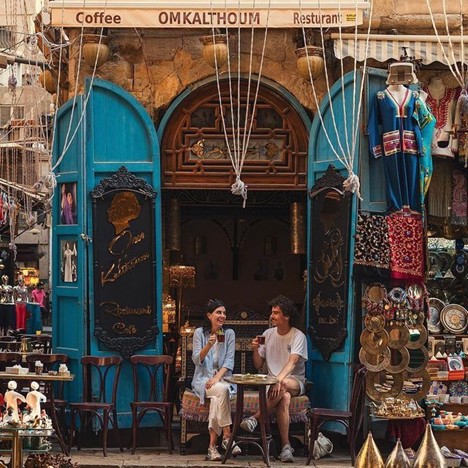
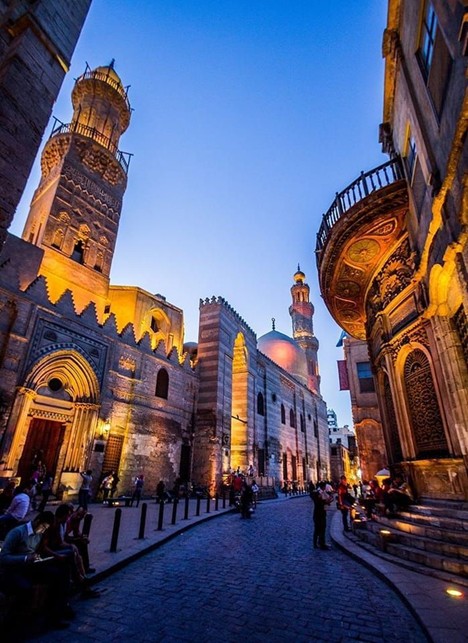
  • Exploring Khan el-Khalili Bazaar: It’s more than just shopping; it’s an activity in itself! Dive into the sensory overload of Cairo’s historic market. Haggle for souvenirs, sip mint tea at a traditional coffee shop, watch artisans at work, and soak in the vibrant atmosphere that has thrived for centuries.