A New Dawn for Ancient Egypt: Celebrating the Grand Egyptian Museum’s Grand Opening!

The Timeless Beauty of GEM

The moment we’ve all been waiting for is finally here! After decades of planning and construction, the Grand Egyptian Museum (GEM) in Giza is officially opening its doors to the world. This colossal event marks a historic milestone for Egypt and global culture, setting a new benchmark for showcasing ancient civilization.
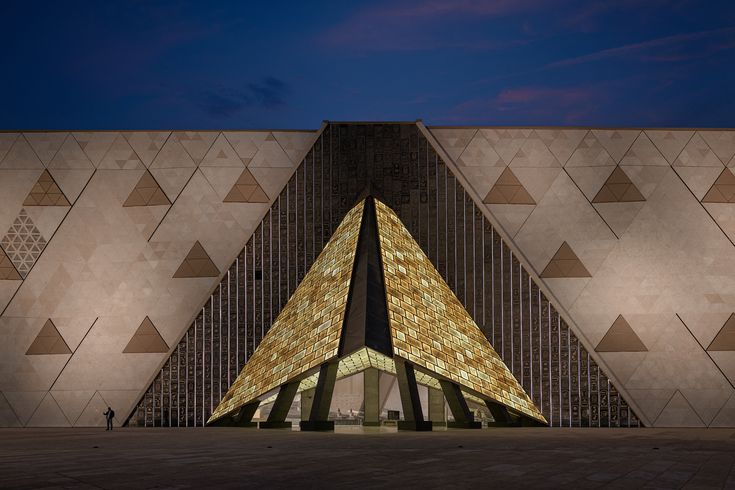
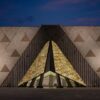
Grand Egyptian Museum | Client: HZ – Design: Heneghan Peng Architects

The Celebration of the Century

The official inauguration ceremony, scheduled for November 1, 2025, is a globally anticipated event, expected to draw heads of state, international dignitaries, and royalty. This isn’t just a museum opening; it’s a grand cultural message from Egypt, reaffirming its position as a cradle of civilization.

The excitement is palpable across the entire nation as the country celebrates the completion of this monumental project. The GEM, located near the Pyramids of Giza, is more than just a museum—it’s an architectural marvel designed to connect ancient wonders with a modern vision for the future of Egyptian heritage.

Discovering the Treasures of Tutankhamun

The main attraction that has captivated the world’s imagination is the complete Tutankhamun collection. For the first time ever, over 5,000 artifacts from the Boy King’s tomb—including the iconic gold funerary mask, chariots, and jewelry—will be displayed together in one location. This unprecedented exhibition offers a profound glimpse into the life and afterlife of this legendary pharaoh.

Beyond Tutankhamun, the museum houses an astounding 100,000 artifacts, charting the full course of ancient Egyptian civilization from prehistory to the Roman era.

King Khufu’s Boats Museum: Dedicated to the meticulously reconstructed 4,500-year-old solar barques, essential to the journey to the afterlife.

The Colossal Ramses II Statue: Standing proudly in the Grand Hall, this 3,200-year-old, 83-ton statue is the first sight to greet visitors.

The Grand Staircase: Lined with over 60 massive statues and artifacts, this majestic staircase offers a panoramic view of the Giza Pyramids.
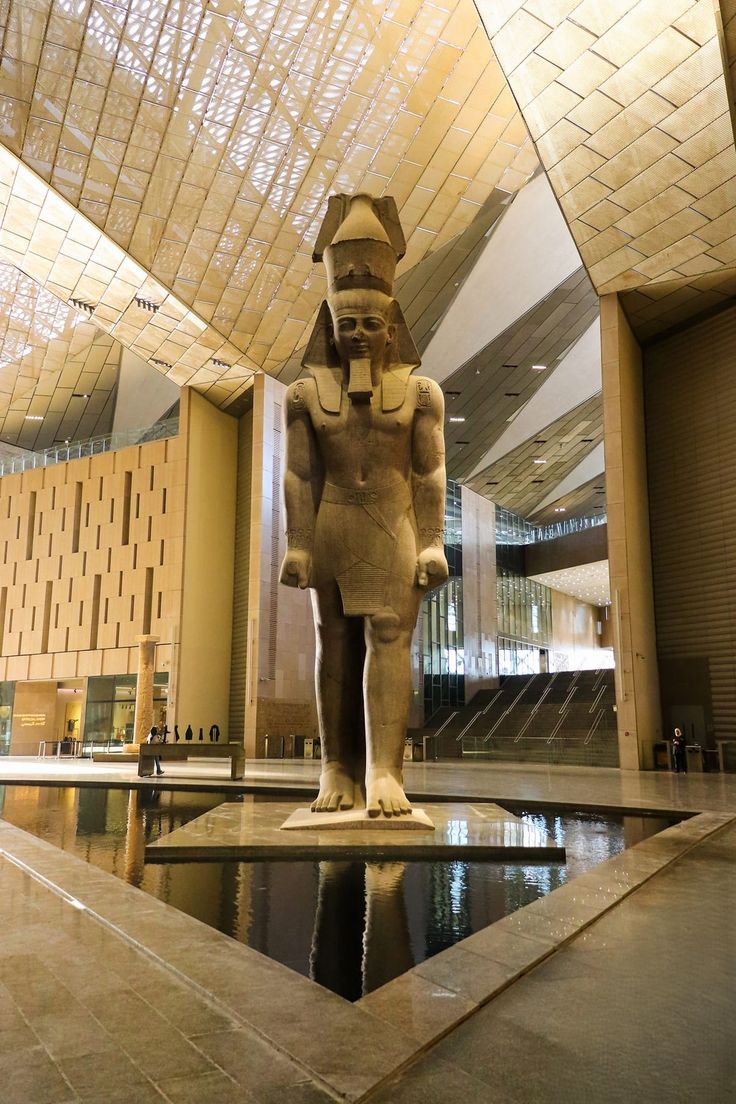
King Ramses The Second, GEM

Your Visit to the GEM: Plan Your Trip to Giza

The Grand Egyptian Museum will fully open to the public on November 4, 2025, immediately following the official inauguration.

This stunning new landmark is set to dramatically enhance Egypt tourism, providing a state-of-the-art, accessible experience for visitors worldwide. With its innovative design, cutting-edge conservation laboratories, and world-class exhibits, the GEM is not just preserving the past—it is building a new future for archaeological museums.

Don’t miss the chance to be among the first to explore this once-in-a-lifetime cultural destination.
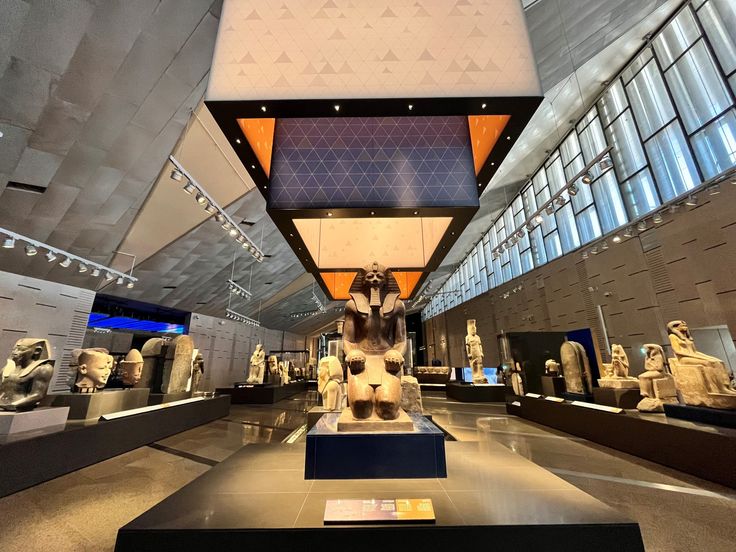
Queen Hatshepswut,GEM

Discover the Secrets of the Saqqara Complex: Egypt’s Oldest Pyramid Site

The Timeless Beauty of Saqqara

Located just 30 km south of Cairo, Saqqara is not only one of Egypt’s most captivating archaeological sites but also a glimpse into the rich tapestry of ancient Egyptian civilization. This extensive necropolis served as the burial ground for Memphis, the first capital of Egypt, and is home to the world’s oldest pyramid, the Saqqara Pyramid, famously known as the Step Pyramid of King Djoser. The site is a UNESCO World Heritage site and offers a deep dive into ancient history, with structures that date back over 4,600 years, making it a must-see destination for any traveler interested in Egypt’s storied past.

For travelers seeking to explore Egypt beyond the Giza Pyramids, the Saqqara Complex offers an authentic journey through time — filled with ancient tombs, hieroglyphs, and architectural wonders

For travelers seeking to explore Egypt beyond the Giza Pyramids, the Saqqara Complex offers an authentic journey through time, filled with ancient tombs, hieroglyphs, and architectural wonders. Visitors can immerse themselves in the history of ancient Egypt, learning about the cultural significance of the burial practices and the architectural innovations that made the Saqqara Pyramid a groundbreaking achievement in its time.

Visitors to the Saqqara Pyramid are often struck by its grandeur and significance in the history of ancient Egypt.

The Saqqara Pyramid stands as a testament to the architectural advancements of ancient Egypt, drawing visitors from around the globe.

Exploring the Saqqara Complex allows you to witness the evolution of pyramid design and understand the deep religious beliefs that influenced these magnificent structures. The Saqqara Pyramid stands as a testament to this architectural prowess, drawing visitors from around the globe to experience its historical grandeur and significance firsthand.

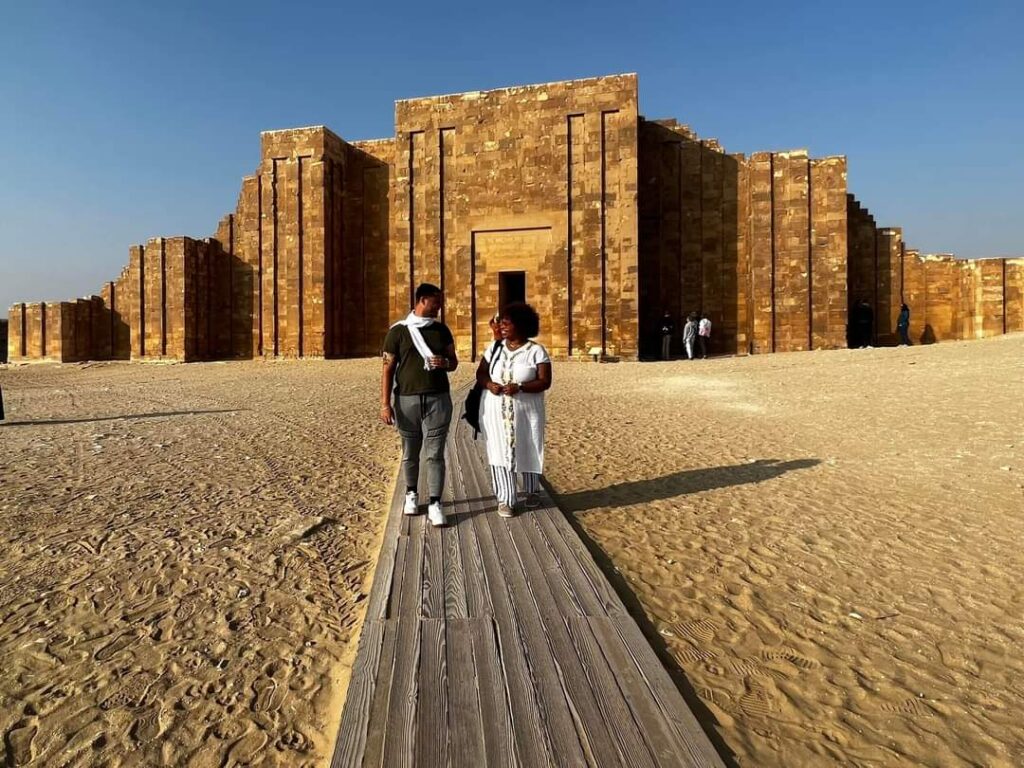
Saqqara Complex, Giza

The Step Pyramid of Djoser – Egypt’s First Pyramid

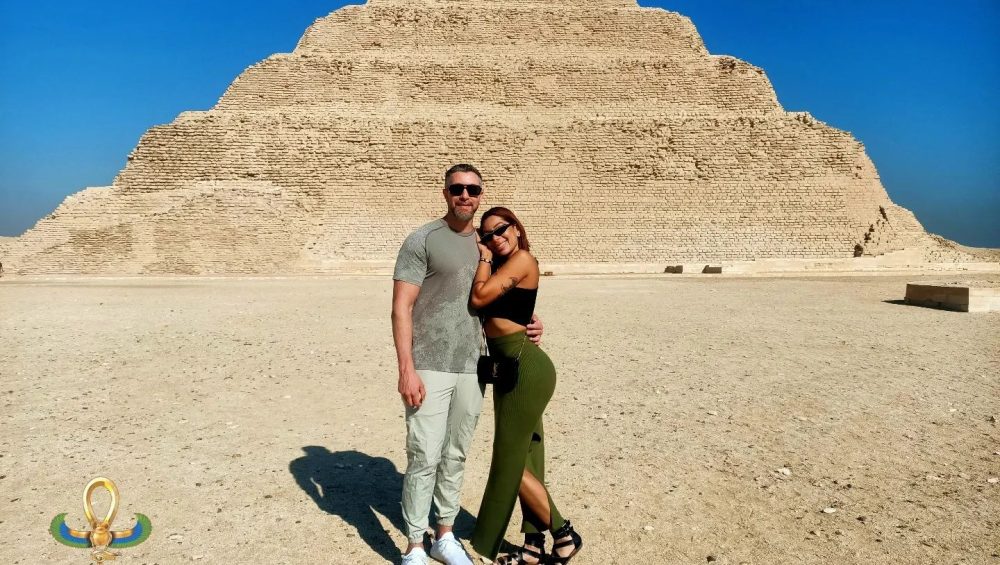
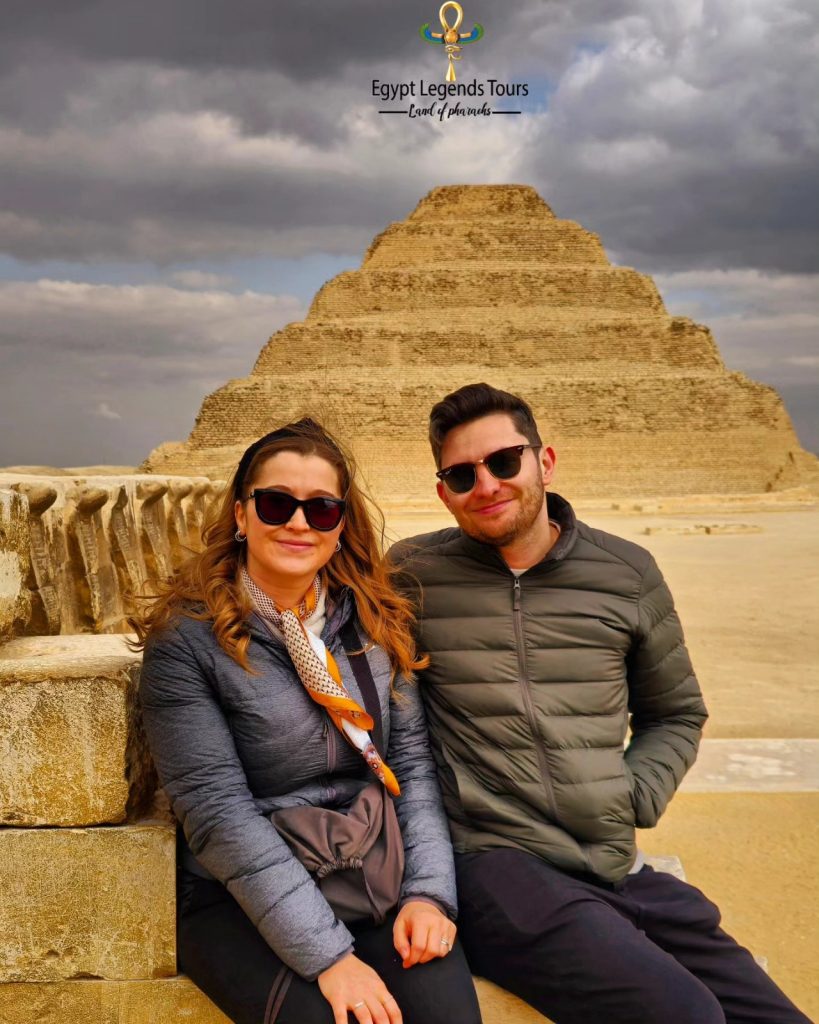
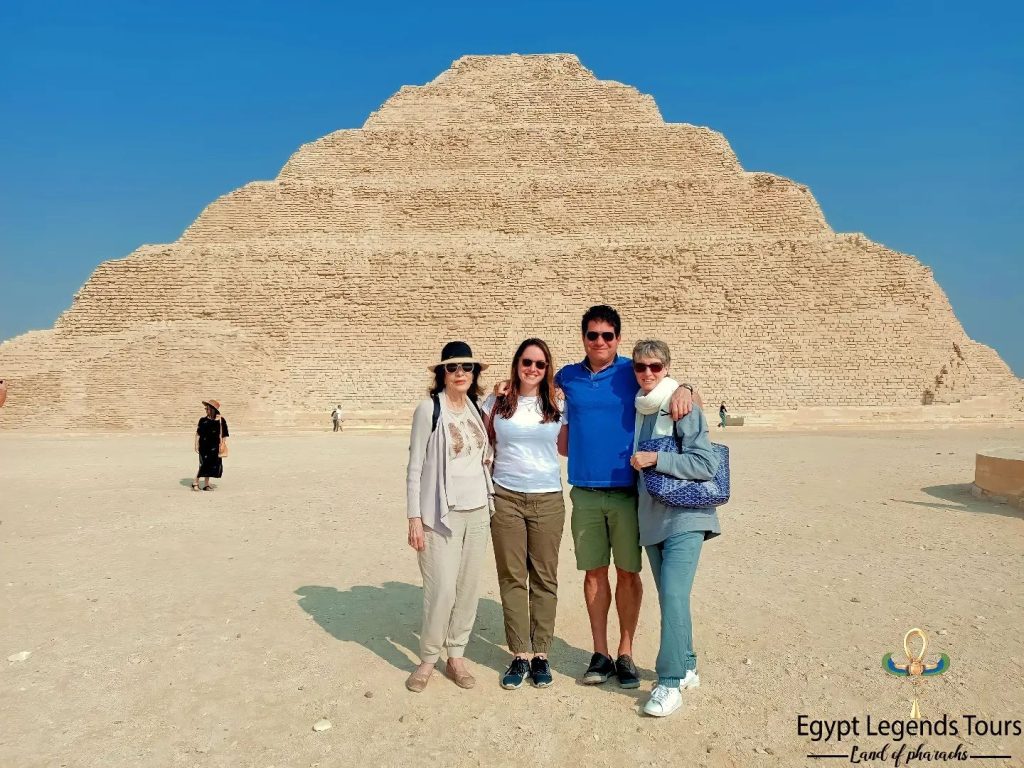
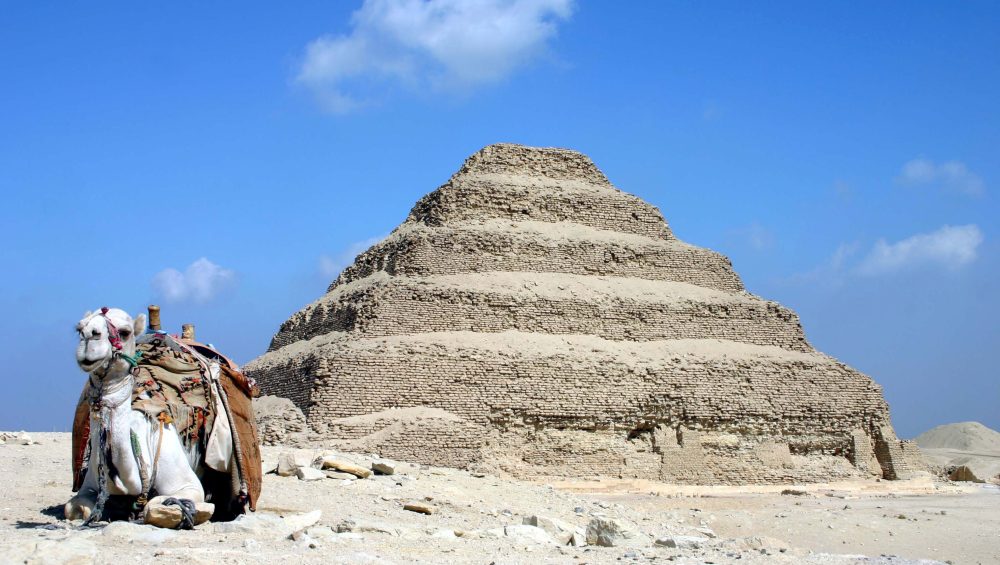
Built during the 27th century BC by the genius architect Imhotep, the Step Pyramid marks a revolutionary turning point in ancient Egyptian architecture.
Unlike the smooth-sided pyramids of Giza, this six-step structure was the prototype for all future pyramids.

Visitors can explore its underground tunnels and marvel at its limestone courtyards that have stood for more than 4,600 years.

Tombs of Nobles and Artisans

The Saqqara Complex is home to some of the most beautifully decorated tombs in all of Egypt. Inside the Tomb of Ti, Tomb of Kagemni, and others, vibrant wall carvings depict scenes of daily life — from fishing and farming to ancient celebrations.

These tombs give visitors a rare glimpse into how ordinary Egyptians lived, worked, and worshipped thousands of years ago.

The Serapeum of Saqqara – Sacred Bulls of Apis

Hidden beneath the desert sands lies the mysterious Serapeum, a vast underground network that served as the burial site for the sacred Apis bulls — animals worshipped as living gods in ancient Egypt.

The immense granite sarcophagi and torch-lit corridors make this one of the most breathtaking and spiritual sites in Saqqara.

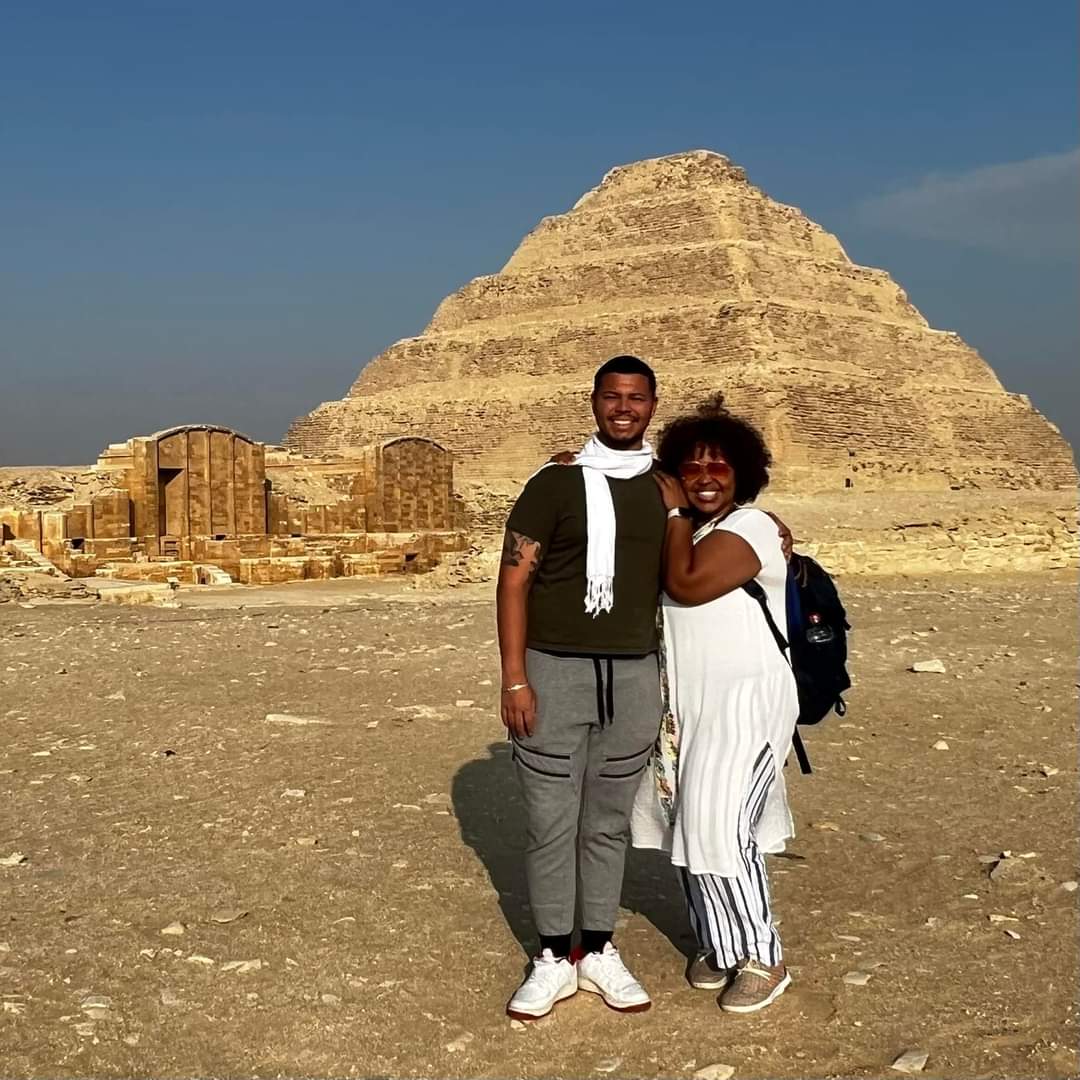
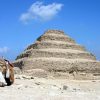
Step Pyramid of Zoser, Saqqara

Why Visit Saqqara with Egypt Legends Tours

At Egypt Legends Tours, we believe Saqqara is not just a site to visit — it’s a story to experience.
Our expert Egyptologist guides will walk you through the Step Pyramid, noble tombs, and hidden chambers while sharing fascinating stories that bring ancient Egypt to life.

Whether you’re a history lover or a first-time traveler, our Saqqara & Memphis Day Tour offers the perfect mix of adventure, knowledge, and culture.

Saqqara is not only Egypt’s oldest pyramid site — it’s the birthplace of monumental architecture and a living museum of ancient Egyptian art and culture.

From the Step Pyramid of Djoser to the beautifully decorated tombs and mystical Serapeum, every corner of Saqqara tells a story that still inspires wonder today.

Book your Saqqara day tour with Egypt Legends Tours and step back in time to explore the origins of ancient Egyptian civilization.

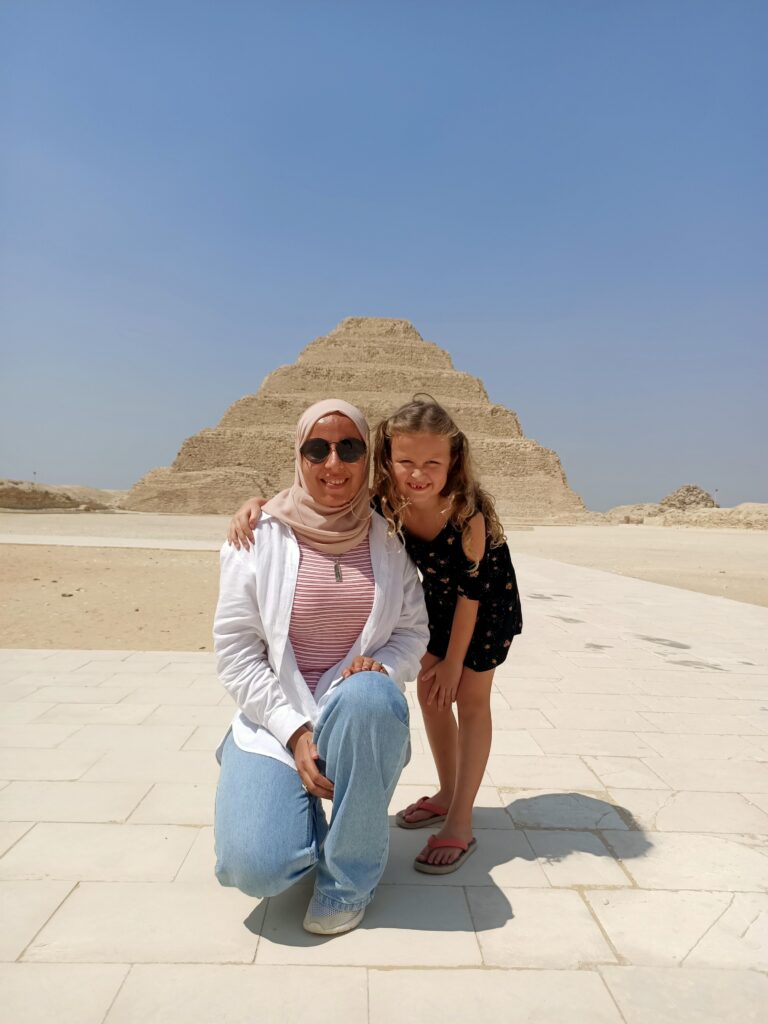
Step Pyramid, Saqqara

Unlocking the Mysteries: What Your Egyptologist Guide Knows (and You Don’t!)

You’ve seen the photos, read the history books, and dreamt of walking among the ancient wonders of Egypt. But what if we told you that even with all your research, there’s a universe of insights waiting to be “unlocked” – a depth of understanding that only a true expert can provide?

At Egypt Legends Tours, we believe that a journey through the land of pharaohs should be more than just sightseeing; it should be an immersive, educational, and deeply personal discovery. That’s why every one of our tours is led by a passionate, certified Egyptologist guide.

So, what exactly does your Egyptologist guide know (and why is it absolutely essential for your Egyptian adventure)? Prepare to have your mind opened!

Giza Pyramids, Giza

Beyond the Textbooks: The Stories Behind the Stones

While history books give you the facts, an Egyptologist guide brings those facts to life. They understand:

  • The Nuances of Symbolism: Every carving, every color, every posture in a temple or tomb tells a story. Your guide can decode the intricate symbolism, explaining why a particular god is depicted with a falcon head, or the precise meaning of a specific hieroglyph. It’s like watching a silent movie suddenly gain a captivating soundtrack.
  • Ancient Daily Life: It’s not just about kings and queens. Your guide can paint a vivid picture of what life was truly like for the farmers, artisans, and ordinary people of ancient Egypt. From their food and fashion to their beliefs and superstitions, you’ll gain a richer understanding of this fascinating civilization.
  • Architectural Secrets: How were the Pyramids of Giza really built? What engineering marvels allowed the construction of the colossal Karnak Temple Complex? Your guide can delve into the techniques, tools, and immense human effort behind these impossible structures, often revealing details you’d never notice on your own.

The Pulse of the Past: Connecting to the Human Element

An Egyptologist doesn’t just recite dates and names. They help you connect emotionally with the past:

  • The Voices of the Deceased: In the Valley of the Kings, it’s easy to be overwhelmed by the artistry. Your guide will highlight specific scenes, perhaps explaining the prayers or spells intended to guide the pharaohs in the afterlife, making the human desire for immortality palpable.
  • The Purpose Behind the Rituals: From offerings to mummification, ancient Egyptian rituals were deeply meaningful. Your guide can explain the ‘why’ behind these practices, giving you a profound appreciation for their spiritual world.
  • Unpublished Insights: Many Egyptologists are involved in ongoing excavations or have access to the latest academic findings. They can share cutting-edge theories and discoveries that haven’t even made it into general publications yet!
Stanly Bridge Restaurant, Alexandria

Navigating the Present: Your Key to a Seamless Journey

Beyond the ancient wisdom, your Egyptologist guide is also your most valuable asset in modern Egypt:

  • Cultural Bridges: They are adept at navigating local customs, traditions, and etiquette. They can help you interact respectfully with locals, understand bargaining in a bazaar, and provide insights into contemporary Egyptian life.
  • Logistical Masters: Forget about getting lost or missing key details. Your guide seamlessly handles tickets, timings, transportation, and ensures you maximize your time at each site. They know the best vantage points, the quietest times to visit, and how to make every moment count.
  • Problem Solvers: Unexpected situations can arise. Having an experienced local expert by your side means any minor hiccups are handled efficiently, leaving you free to enjoy your vacation.

The Egypt Legends Tours Difference

Choosing Egypt Legends Tours means choosing an experience enriched by unparalleled expertise. Our Egyptologist guides are more than just tour Guides; they are storytellers, educators, and passionate ambassadors of their incredible heritage. They are the “key” to unlocking the mysteries of ancient Egypt, transforming your trip from a simple visit into a profound, personal odyssey.

Step Pyramid, Saqqara

Ready to delve deeper than ever before? Let our Egyptologist guides reveal the secrets and wonders of Egypt that you never knew existed. Your unforgettable journey awaits!

From Dream to Reality: How to Plan Your Ultimate Egypt Legends Tours Winter 2025

From Dream to Reality: How to Plan Your Ultimate Egypt Legend Tour Winter 2025

The allure of Egypt is timeless. For centuries, the land of pharaohs has captivated imaginations, beckoning travelers with its monumental history, vibrant culture, and unparalleled sense of adventure. If your dream is to walk among the Pyramids of Giza, sail the majestic Nile River, or uncover the secrets of ancient temples, 2025 is the perfect year to turn that dream into an unforgettable reality.

At Egypt Legends Tours, we specialize in transforming aspirations into meticulously crafted Egyptian adventures. Here’s your professional guide to planning your ultimate Egypt tour for 2025, ensuring every moment is steeped in wonder and discovery.

Step 1: Define Your Egyptian Dream

Before diving into dates and destinations, ask yourself: What kind of Egypt travel experience are you truly seeking?

  • History Buff? Focus on comprehensive itineraries covering Cairo (Egyptian Museum, Pyramids), Luxor (Karnak, Valley of the Kings), and Aswan (Abu Simbel).
  • Adventure Seeker? Consider adding a desert safari to the White Desert, exploring the Red Sea’s vibrant marine life, or even hot-air ballooning over Luxor.
  • Relaxation & Culture? A leisurely Nile cruise combined with authentic local experiences, cooking classes, or traditional craft workshops might be ideal.
  • Family Journey? Look for activities suitable for all ages, interactive experiences, and perhaps less strenuous schedules.

Defining your core interest will help shape the entire travel planning Egypt process.

Step 2: Choose Your Optimal Travel Time in 2025

Egypt offers diverse experiences depending on the season:

  • October to April (Peak Season): This is the most popular time due to cooler, more comfortable temperatures, perfect for extensive sightseeing. Expect more crowds and higher prices. Ideal for Nile cruises and exploring archaeological sites.
  • May, June, September (Shoulder Season): Still warm, but fewer crowds and potentially better deals. Mornings and evenings are pleasant, but midday sun can be intense. Great for combining cultural tours with Red Sea relaxation.
  • July & August (Low Season): Very hot, but also the quietest. If you can handle the heat, you’ll have sites almost to yourself and find the best prices. Air-conditioned transport and hotels are essential.
Giza Pyramids, Giza

Step 3: Crafting Your Ultimate Egypt Itinerary

Once you have a general idea, it’s time to build your itinerary. A typical Egypt vacation might include:

  • Cairo (3-4 days): Pyramids of Giza, Sphinx, Egyptian Museum (Grand Egyptian Museum is opening in stages), Khan el-Khalili Bazaar.
  • Nile Cruise (3-4 nights): From Luxor to Aswan (or vice versa), visiting Karnak Temple, Luxor Temple, Valley of the Kings, Hatshepsut Temple, Philae Temple, and the High Dam.
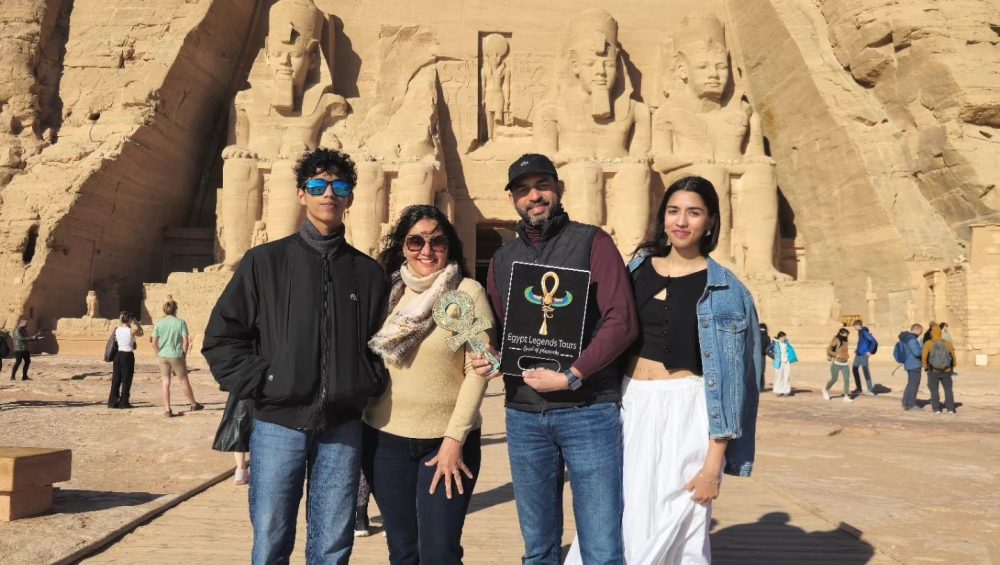
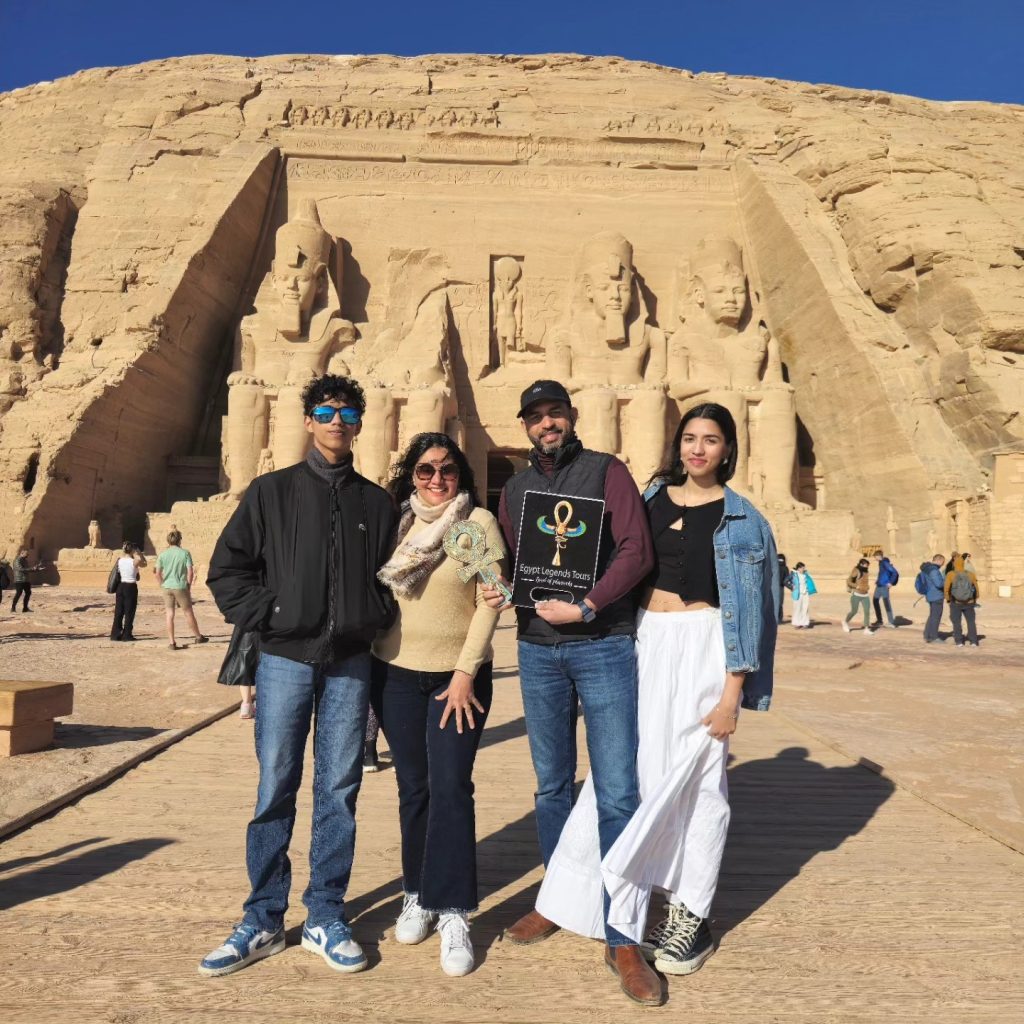
  • Aswan (1-2 days): Optional day trip to Abu Simbel, felucca ride, Nubian Village visit.
  • Red Sea (2-3 days): Hurghada or Sharm El Sheikh for diving, snorkeling, or beach relaxation.
  • Western Desert (2-3 days): For a unique desert safari experience to the White Desert or Siwa Oasis.

Step 4: Budgeting & Essential Logistics

  • Flights: Book international flights well in advance for the best rates, especially for 2025 peak season.
  • Visa: Most nationalities require a visa, which can often be obtained upon arrival or online as an e-visa. Check current requirements for Egypt travel closer to your departure.
  • Accommodation: From luxury hotels to boutique guesthouses and traditional dahabiyas on the Nile.
  • Currency: The Egyptian Pound (EGP). Credit cards are widely accepted in major tourist areas.
  • Travel Insurance: Non-negotiable for peace of mind.

Step 5: Partner with the Right Experts: Egypt Legends Tours

This is where your dream truly solidifies. While independent travel planning Egypt is possible, the complexity of logistics, cultural nuances, and the desire for deep historical understanding make an expert partner invaluable.

At Egypt Legends Tours, we transform the daunting task of planning into a seamless, enriching experience:

  • Customized Egypt Tour Design: We listen to your dream and craft a personalized itinerary that aligns with your interests, pace, and budget. Whether it’s a grand tour of all the highlights or a niche archaeological deep-dive, we design your ultimate Egypt tour.
  • Expert Egyptologist Guides: Our guides are not just escorts; they are passionate, certified Egyptologists who bring the ancient world to life, sharing insights and stories you won’t find in any guidebook.
  • Seamless Logistics & Comfort: From airport transfers and comfortable transportation to hand-picked accommodations and expertly managed schedules, we handle every detail so you can relax and immerse yourself fully.
  • Authentic Experiences: Beyond the main attractions, we offer opportunities to connect with local culture, savor authentic cuisine, and discover the true heart of Egypt.
  • Safety & Support: Your safety and comfort are our top priorities. We adhere to the highest standards and provide 24/7 support throughout your journey.
Abu Simble Temple, Aswan

Turn Your Winter 2025 Egypt Dream into a Legendary Reality!

Don’t let the details overwhelm your dream. With thoughtful planning and the right partner, your ultimate Egypt adventure in Winter 2025 is closer than you think. Contact Egypt Legends Tours today, and let us help you plan Egypt trip from imagination to an unforgettable experience of a lifetime.

Siwa Oasis Egypt’s Mystical Desert Paradise

Nestled deep within Egypt’s Western Desert, close to the Libyan border, lies Siwa Oasis – a secluded, enchanting world unlike anywhere else in Egypt. Far from the bustling metropolises and ancient monuments of the Nile Valley, Siwa offers a unique blend of breathtaking natural beauty, a distinct Berber culture, and a history steeped in ancient prophecy and legend.

For the adventurous traveler seeking an off-the-beaten-path Egypt experience, eco-tourism, and a truly immersive cultural journey, Siwa Oasis is an absolute must-visit.

A Sanctuary of Serenity and Natural Wonders

Siwa’s isolation has preserved its pristine environment and created a landscape of mesmerizing contrasts.

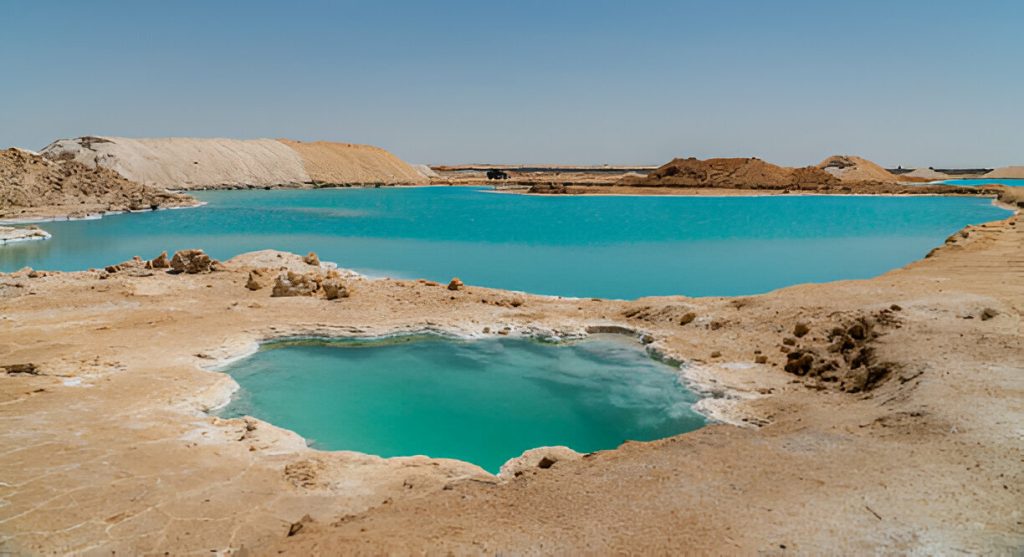
Salt Lakes: Perhaps the most iconic feature of Siwa are its dazzling salt lakes. With a salt concentration so high that you effortlessly float (much like the Dead Sea), these emerald-green to sapphire-blue pools are not only incredibly therapeutic but also offer surreal photographic opportunities against the backdrop of the desert. The sensation of buoyancy is unforgettable!

Cleopatra’s Spring (Ain Juba): A natural spring believed to have been a bathing spot for Queen Cleopatra herself, this cool, refreshing spring is a popular place for a dip, surrounded by lush palm groves. It’s a perfect spot to relax and unwind after a day of exploration.

Gebel Dakrour (Healing Mountain): This mountain is famous for its unique tradition of sand bathing. During the hottest months, locals and visitors alike bury themselves in the hot sand, believed to have therapeutic properties for various ailments, particularly rheumatism.

The Great Sand Sea: Siwa is bordered by the vast and dramatic Great Sand Sea, an expanse of towering sand dunes. This provides the perfect playground for thrilling desert safaris, sandboarding, and stargazing under an incredibly clear desert sky.

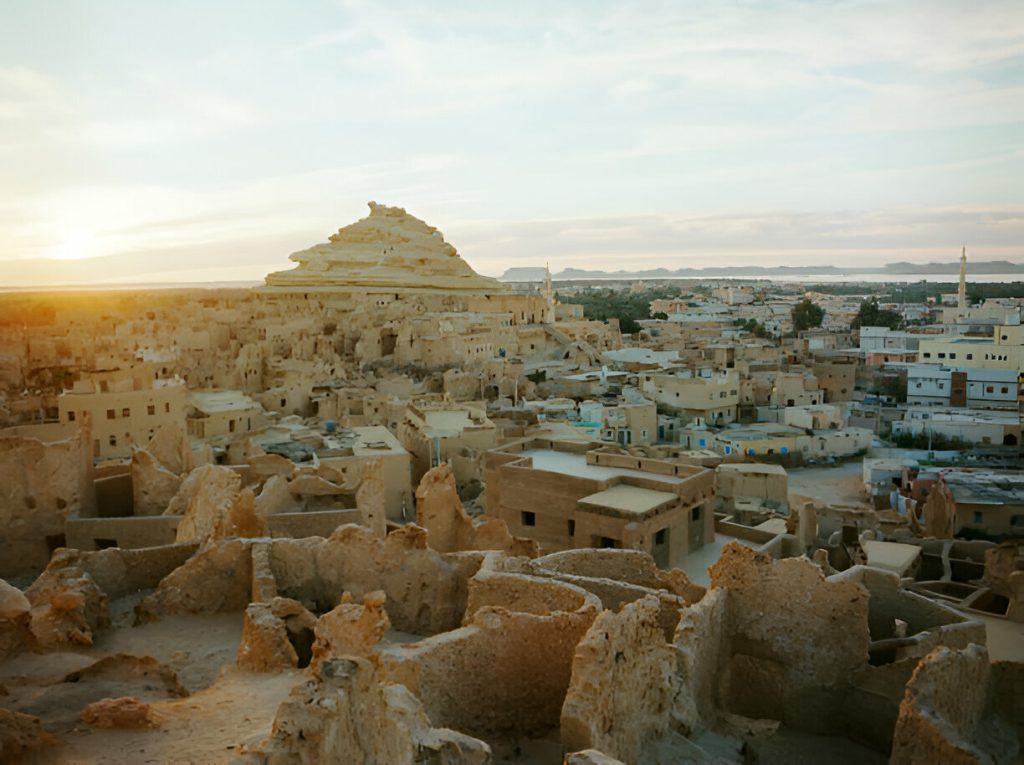
Siwa

A Living History: Ancient Legends and Unique Culture

Siwa’s history is as captivating as its landscapes, shaped by its isolation and its pivotal role in antiquity.

The Oracle of Amun (Temple of the Oracle): Siwa is most famously known as the home of the ancient Oracle of Amun, which gained renown after Alexander the Great famously consulted it in 331 BC to confirm his divine parentage and right to rule Egypt. Although largely in ruins today, the site carries an undeniable aura of mystery and historical significance. Exploring the remnants offers a tangible link to one of history’s most powerful figures.

Shali Fortress: Dominating the center of Siwa town are the dramatic mud-brick ruins of the Shali Fortress. Built in the 13th century from “kershif” (a unique mix of salt rock and mud), this ancient stronghold once housed the entire Siwan population, protecting them from desert raids. Climbing its crumbling walls offers panoramic views of the oasis.

Gebel al-Mawta (Mountain of the Dead): Just north of Siwa town, this Roman-era necropolis is dotted with dozens of rock-cut tombs. While many are closed, some are open to visitors, including the Tomb of Si-Amun, known for its well-preserved, colorful frescoes.

Salt Lake Siwa

The Siwan Culture: A Berber Heart

Siwa’s unique identity stems from its predominant Berber (Amazigh) culture. The Siwans have their own distinct language (Siwi), customs, and traditions, largely preserved due to their long isolation.

Handicrafts: Siwan women are renowned for their intricate embroidery, particularly on traditional wedding dresses and silver jewelry. You’ll also find beautiful pottery, basketry made from palm fronds, and the iconic salt lamps carved from the local rock salt.

Architecture: The traditional architecture, utilizing the kershif mud-brick, gives Siwa its distinctive earthy charm. Many guesthouses and eco-lodges embrace this traditional style.

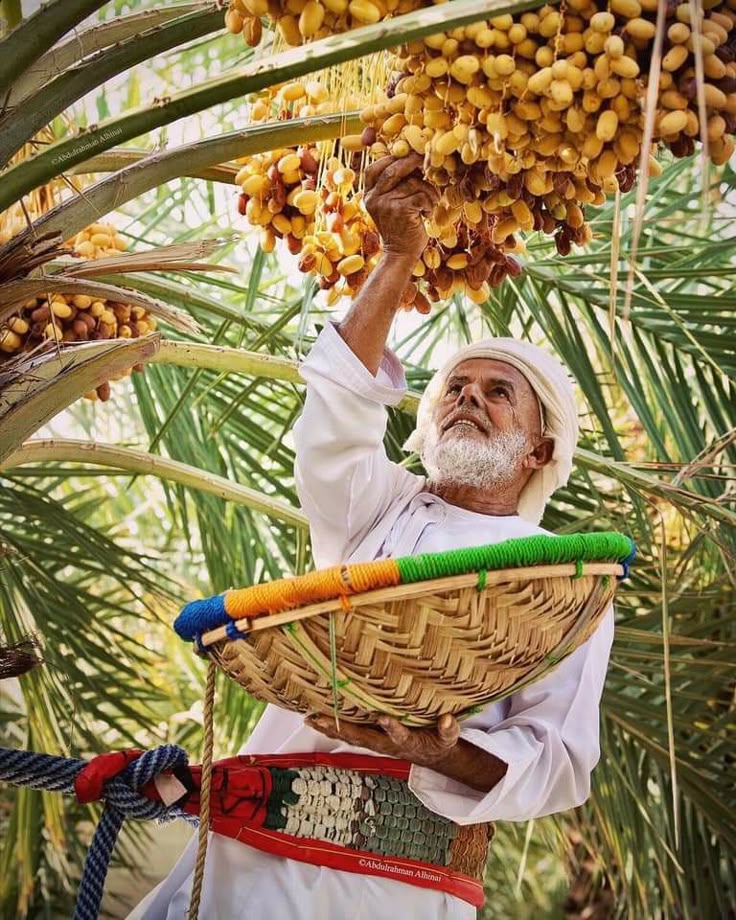
Dates and Olives: Siwa is famed for its abundant date palms and olive groves, which have sustained the oasis for millennia. Siwan dates and olive oil are highly prized throughout Egypt.

Man Cutting Dates From Palm Tress Siwa

Planning Your Siwa Oasis Adventure:

Best Time to Visit: The cooler months from October to April are ideal, as summer temperatures can be extremely hot. Consider visiting during the Siyaha Festival (usually in October), a vibrant annual celebration of Siwan traditions.

Getting There: Siwa is remote. The most common way to get there is by overnight bus from Cairo (approx. 8-10 hours) or by hiring a private car/driver. The journey itself is part of the adventure.

Accommodation: Siwa offers a range of unique accommodations, from charming eco-lodges built with traditional materials to more modern hotels.

Respectful Tourism: Remember that Siwa is a traditional community. Dress modestly, especially when away from resort areas, and be respectful of local customs.

Siwa Oasis is more than just a destination; it’s an escape to a timeless world, a journey that connects you with ancient mysteries, unparalleled natural beauty, and a rich, living culture. It’s an essential experience for anyone seeking a truly unforgettable and authentic Egypt travel adventure.

Unplug, explore, and discover the magic of Siwa Oasis – your desert paradise awaits!

Dahshour Unveiling the Pyramids of Innovation and Perfection

Beyond the famous Giza Plateau lies a less crowded, yet equally significant, chapter in ancient Egyptian pyramid building: the Dahshour Necropolis. Located approximately 40 kilometers south of Cairo, this ancient royal burial ground is a treasure trove for anyone fascinated by the evolution of pyramid architecture. While Giza boasts the ultimate triumph, Dahshour is where the critical experiments, failures, and eventual successes took place, paving the way for the grand pyramids that followed.

Dahshour: The Cradle of the “True” Pyramid:

The Dahshour Pyramids offer a unique opportunity to witness the remarkable journey of the ancient Egyptians as they refined their construction techniques and architectural understanding. This site is primarily associated with Pharaoh Sneferu, the visionary founder of the 4th Dynasty and father of Khufu (who built the Great Pyramid of Giza). Sneferu’s relentless pursuit of the perfect pyramid is beautifully documented in the structures he left behind at Dahshour.

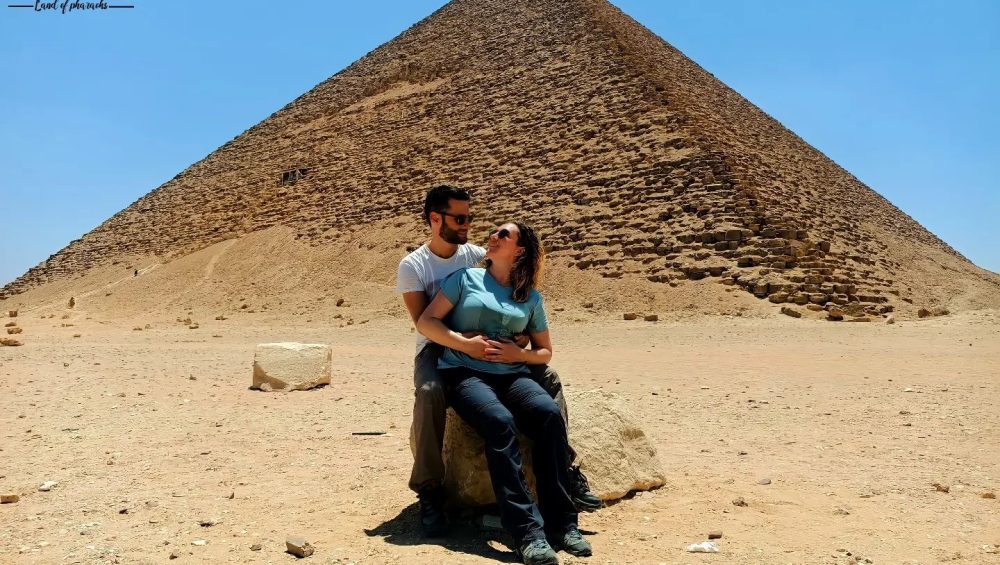
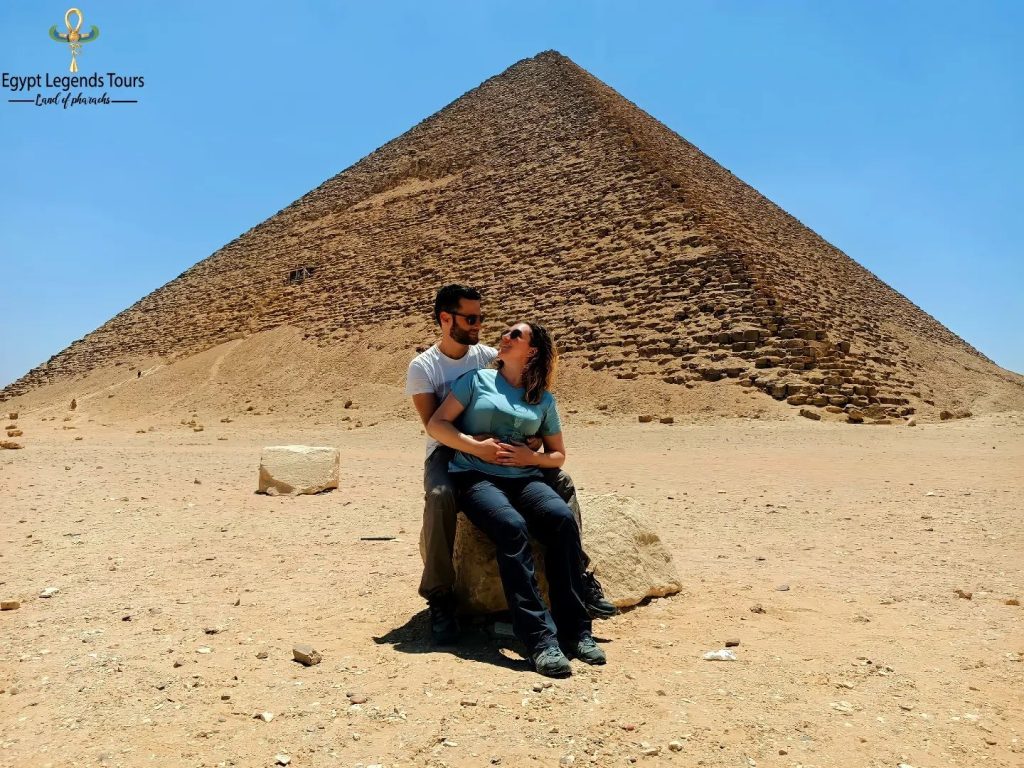
Oldest True Pyramid / Red Pyramid

The Architectural Masterpieces of Dahshour:

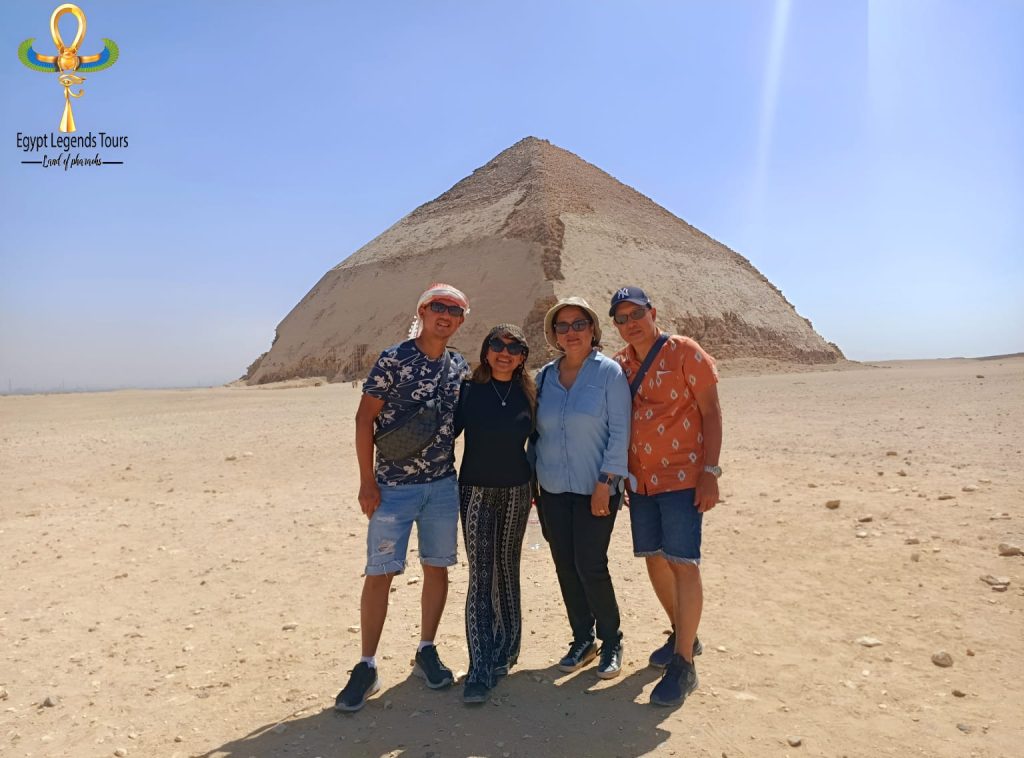
  1. The Bent Pyramid: This iconic pyramid is arguably the most famous at Dahshour and a testament to the trial-and-error process of early pyramid construction. Built for Sneferu, the Bent Pyramid dramatically changes its angle about halfway up, giving it its distinctive “bent” appearance. This shift in inclination, from a steep 54 degrees to a shallower 43 degrees, was likely a last-minute adjustment to prevent structural collapse. It represents a crucial learning experience for the ancient builders, demonstrating their innovative spirit and ability to adapt. You can even enter this unique pyramid and explore its two distinct burial chambers!
  2. The Red Pyramid: Just a short distance from the Bent Pyramid stands the magnificent Red Pyramid, also built by Pharaoh Sneferu. This monumental structure holds immense historical significance as it is widely considered the world’s first true smooth-sided pyramid. Its name comes from the reddish hue of the limestone blocks used in its construction. After the lessons learned from the Bent Pyramid, the Red Pyramid stands as a testament to perfected engineering, making it a pivotal landmark in the history of architecture. Entering the Red Pyramid allows you to experience its vast internal chambers, showcasing the mastery of ancient Egyptian stonemasonry.
The Bent Pyramid
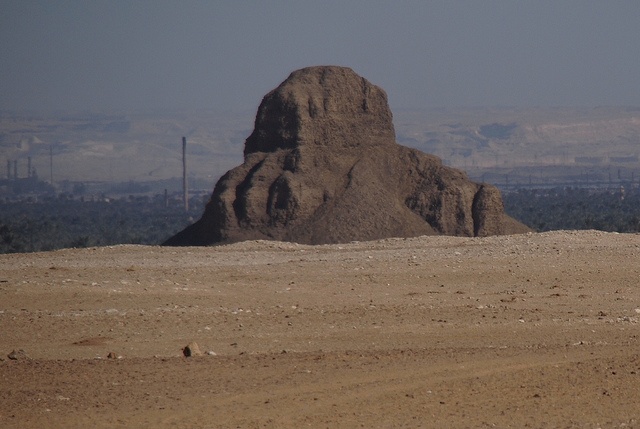
  1. The Black Pyramid (Pyramid of Amenemhat III): While less visually striking today due to extensive erosion, the Black Pyramid is another important monument at Dahshour, dating from the Middle Kingdom (12th Dynasty). Built primarily from mud brick with a limestone casing, it showcases a different architectural approach. Though largely ruined, its remaining core provides valuable insights into later pyramid construction techniques and the challenges faced by builders in different periods.
The Black Pyramid

Why Visit Dahshour?

Photographic Opportunities: The stark desert landscape, combined with the unique shapes of the Dahshour Pyramids, creates stunning photographic opportunities, especially during sunrise or sunset.

Witness Architectural Evolution: Dahshour is the perfect place to understand how the ancient Egyptians progressed from the experimental Step Pyramid at Saqqara to the near-perfect designs of the Giza Pyramids. It’s a living architectural textbook.

Escape the Crowds: Unlike the often bustling Giza Plateau, Dahshour offers a more serene and contemplative experience. You’ll have more space to marvel at these ancient wonders and soak in the historical atmosphere.

Discover Inside Pyramids: Both the Bent Pyramid and the Red Pyramid are open to visitors, providing an incredible opportunity to delve into their mysterious interiors and appreciate their ingenious construction firsthand.

Planning Your Dahshour Excursion:

  • Combine with Saqqara: Dahshour is often visited in conjunction with the Saqqara Necropolis, as they are relatively close and offer a chronological journey through pyramid development.
  • Comfortable Attire: Wear comfortable walking shoes, a hat, sunscreen, and light, breathable clothing, especially given the open desert environment.
  • Stay Hydrated: Always carry plenty of water.

The Dahshour Necropolis offers a compelling narrative of innovation, perseverance, and triumph in ancient Egyptian engineering. It’s a place where the secrets of pyramid building were truly unlocked, making it an essential destination for any traveler seeking a deeper understanding of ancient Egypt’s unparalleled architectural legacy. Don’t miss the chance to explore these fascinating precursors to the Giza wonders!

Discover the secrets of the ancient world – plan your trip to the Dahshour Pyramids today!

Journey to the Beautiful Land of Giants Exploring the Giza Pyramids Necropolis

Are you ready to witness one of the most iconic and enduring symbols of human achievement? Do you dream of standing in the shadow of millennia-old marvels? Then your journey to Egypt isn’t complete without an immersive exploration of the Giza Pyramids Necropolis. This breathtaking archaeological site, a UNESCO World Heritage site and the only remaining Ancient Wonder of the World, offers an unparalleled window into the ingenuity, beliefs, and sheer power of the ancient Egyptian civilization.

The Giza Necropolis: A Testament to Immortality

Nestled on the Giza Plateau, on the western bank of the Nile River, the Giza Necropolis served as the royal burial ground for pharaohs of the Fourth Dynasty (circa 2575–2465 BCE). This sprawling complex is far more than just three pyramids; it’s a meticulously planned city of the dead, designed to ensure the eternal life and divine ascension of its royal occupants. Here, the pharaohs sought to literally touch the heavens, leaving behind a legacy that continues to captivate the world.

The Mighty Three: Pillars of the Past

The undisputed stars of the Giza Necropolis are its three colossal pyramids:

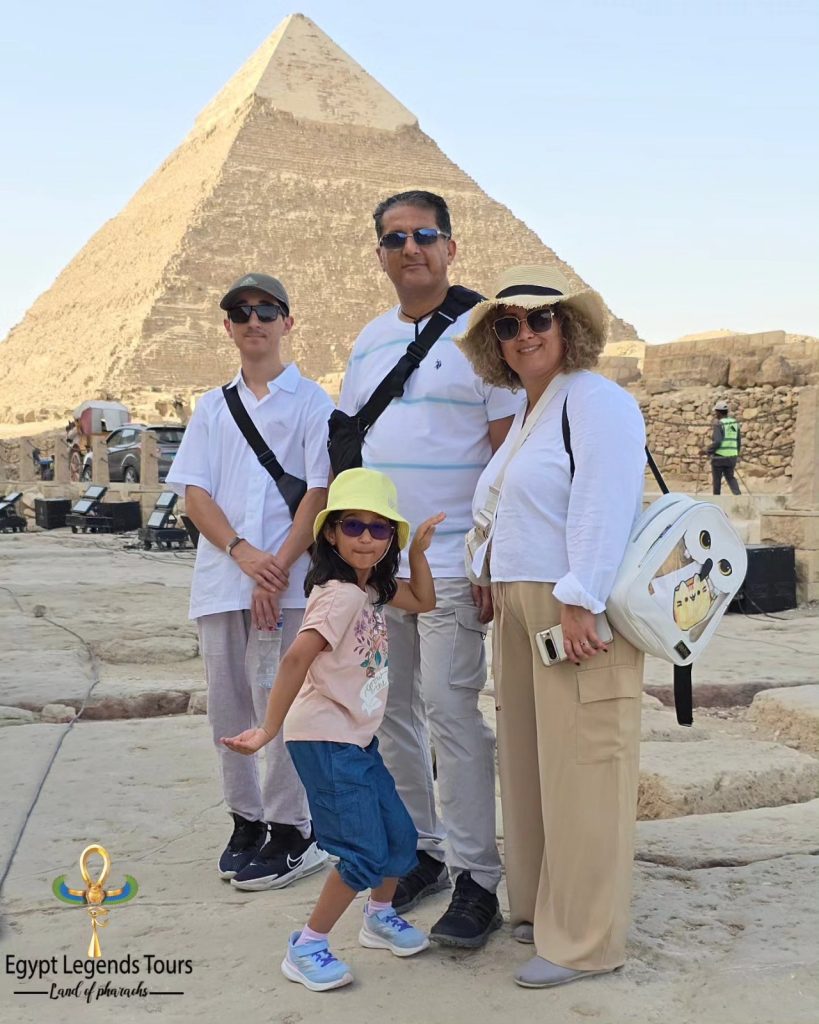
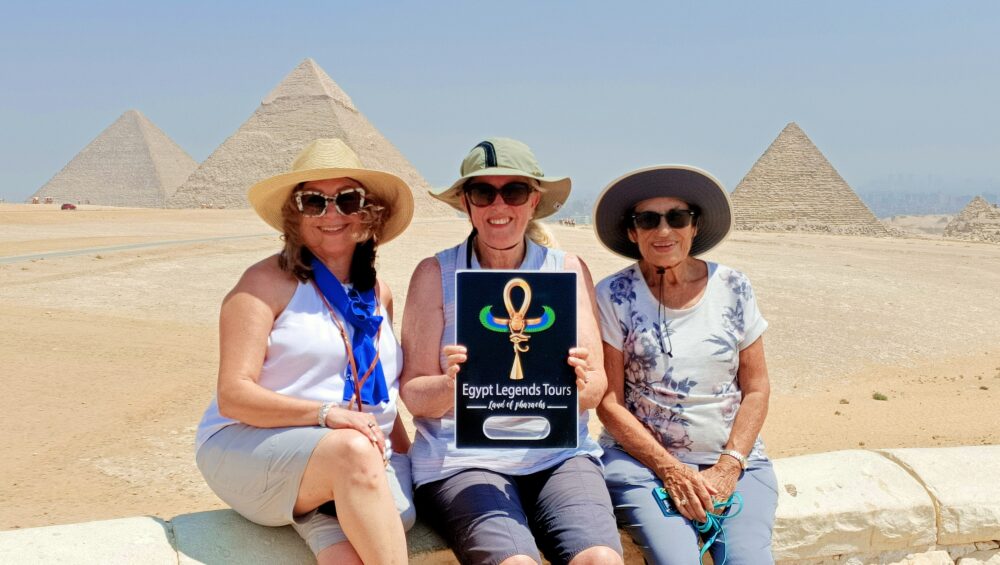
  • The Great Pyramid of Khufu (Cheops): The largest and oldest of the trio, this magnificent structure stood as the tallest man-made building in the world for over 3,800 years. Its sheer scale and the precision of its construction continue to baffle and inspire engineers and historians alike. Stepping inside (for a separate ticket) allows you to experience the narrow passages and impressive chambers, offering a truly unique perspective on its grandeur.
  • The Pyramid of Khafre (Chephren): Slightly smaller than Khufu’s, the Pyramid of Khafre is easily identified by the remnants of its original polished limestone casing near its apex. It’s often photographed with the majestic Great Sphinx in the foreground, creating that iconic Egyptian panorama.
  • The Pyramid of Menkaure (Mykerinus): The smallest of the three main pyramids, Menkaure’s pyramid is nevertheless a stunning feat of engineering and a crucial part of the complex. It once featured a rich granite casing, adding to its imposing beauty.
The Great Pyramid

The Enigmatic Guardian: The Great Sphinx

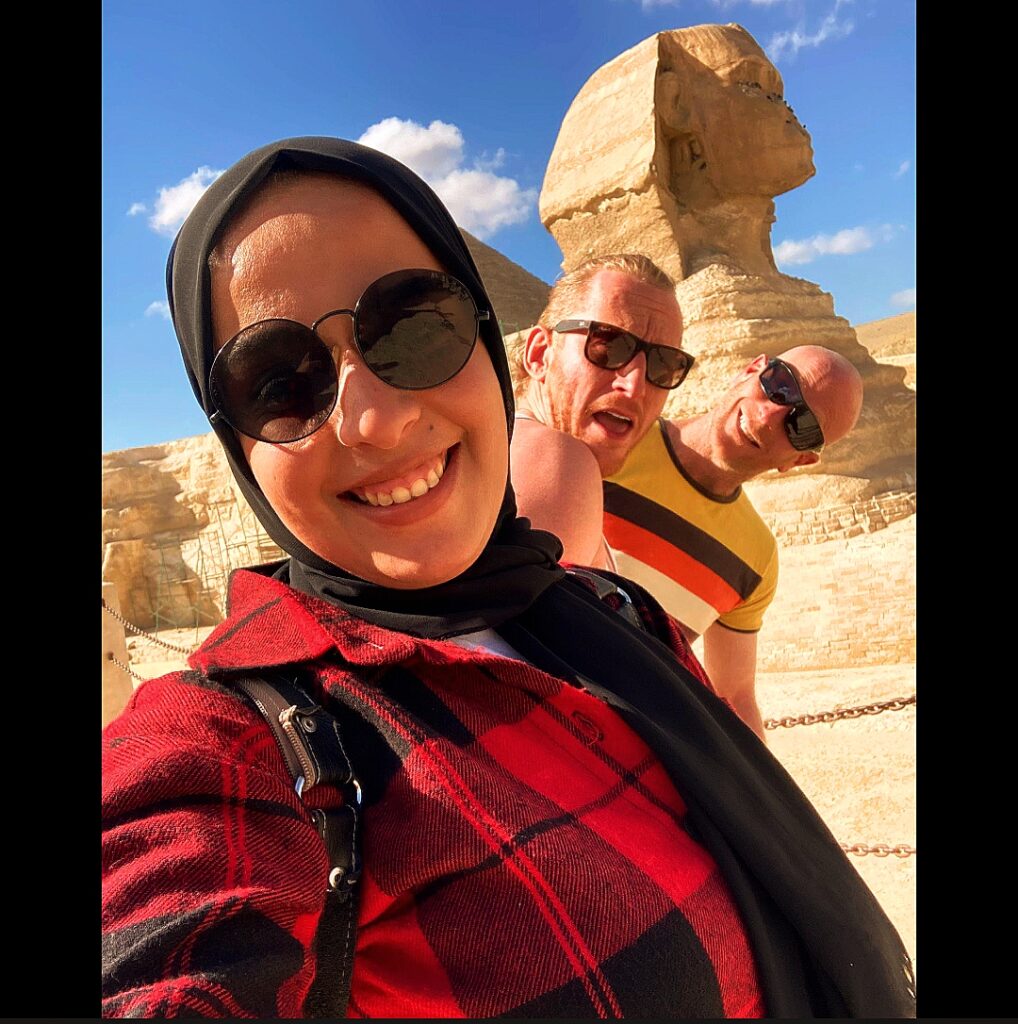
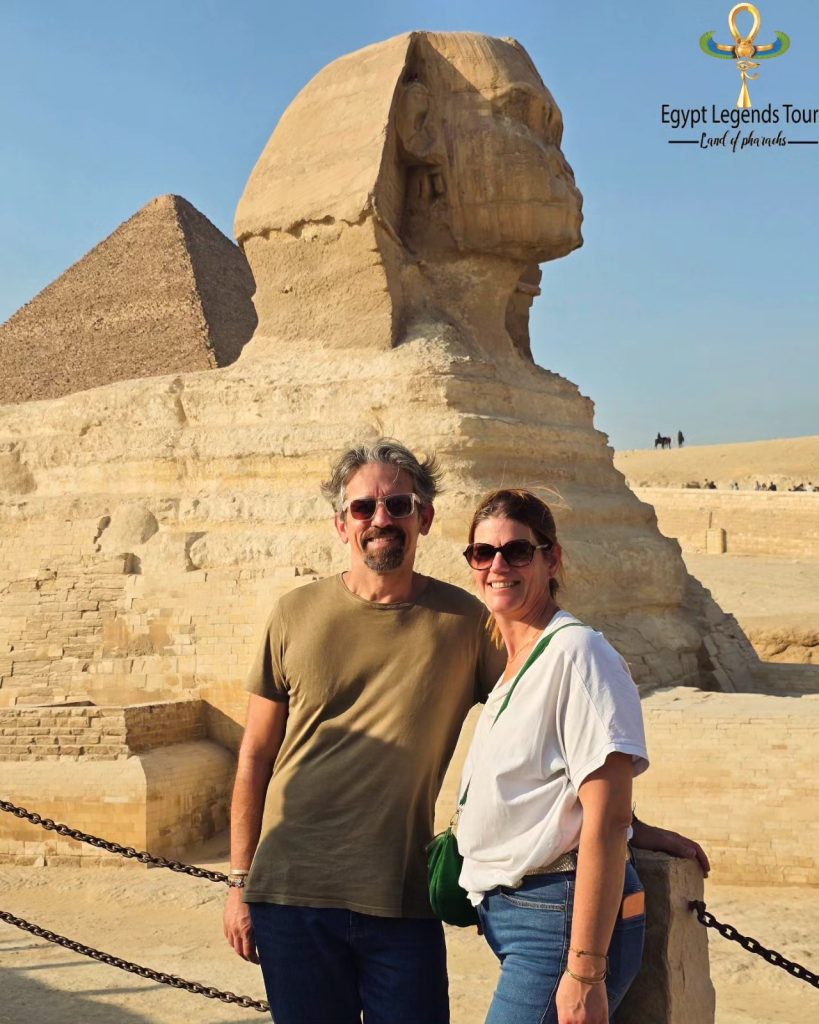
No visit to Giza is complete without beholding the enigmatic Great Sphinx of Giza. This colossal limestone statue, with the body of a lion and the head of a human (believed to represent Pharaoh Khafre), has guarded the Giza Plateau for millennia. Its stoic gaze and mysterious aura make it one of the most recognizable and captivating ancient monuments on Earth.

Valley Temple & Sphinx

Beyond the Pyramids: A Rich Archaeological Landscape

While the major pyramids and the Sphinx dominate the skyline, the Giza Necropolis offers much more for the eager explorer:

  • Queens’ Pyramids: Discover the smaller pyramids associated with the queens of the pharaohs, offering insights into the royal family structure.
  • Mastaba Tombs: Discover the rectangular, flat-topped mastaba tombs of nobles and high-ranking officials. Many of these contain remarkably preserved and vibrant wall reliefs depicting scenes of daily life, offering a fascinating glimpse into ancient Egyptian society and beliefs about the afterlife.
  • Valley Temples and Mortuary Temples: These ruined but still significant structures were part of the elaborate funerary complexes, where rituals for the deceased pharaohs were performed.

Tips for Your Giza Pyramids Tour

To make the most of your Giza Pyramids experience:

  • Go Early: Arrive as close to opening time as possible to beat the heat and the crowds of tour buses.
  • Dress Appropriately: Wear comfortable walking shoes, light, breathable clothing, a hat, and sunscreen.
  • Stay Hydrated: Carry plenty of water, especially during warmer months.
  • Be Prepared for Vendors: You’ll encounter many local vendors offering souvenirs, camel rides, and horse carriage tours. Negotiating prices is expected.
  • Consider a Camel Ride: For a truly memorable experience, a short camel ride can offer unique photo opportunities and a different perspective of the plateau.
  • Go Inside a Pyramid: If you’re not claustrophobic, the experience of entering one of the pyramids is unforgettable. The Great Pyramid, Khafre’s, or Menkaure’s offer access (with separate tickets).

The Giza Pyramids Necropolis is more than just a collection of ancient stones; it’s a vibrant testament to the enduring power of human ambition, faith, and artistic expression. It’s a place where history breathes, and legends come alive.

Embark on your own adventure to Egypt and unlock the timeless mysteries of the Giza Pyramids!

Unearthing Ancient Wonders: A Journey Through the Saqqara Necropolis

Are you fascinated by ancient Egypt? Do you dream of walking in the footsteps of pharaohs and exploring millennia-old mysteries? Then a visit to the Saqqara Necropolis is an absolute must for your Egypt itinerary. Located just south of modern-day Cairo, this sprawling ancient burial ground offers an unparalleled glimpse into the evolution of Egyptian funerary architecture, religious beliefs, and daily life.

Saqqara: More Than Just Pyramids

While the Giza Pyramids capture the imagination with their sheer scale, Saqqara holds a unique significance as the birthplace of pyramid construction. This vast archaeological site served as the primary burial ground for the ancient capital of Memphis for over 3,000 years, from the Early Dynastic Period right through to the Roman era. Its sands conceal a treasure trove of ancient tombs, temples, and monuments, constantly yielding new and astonishing discoveries.

The Icon: Djoser’s Step Pyramid

The undisputed star of Saqqara is the Step Pyramid of Djoser, a monumental achievement that forever changed the course of architecture. Designed by the legendary polymath Imhotep in the 27th century BCE, this six-tiered masterpiece is considered the world’s oldest stone building and the very first pyramid ever constructed. It served as the prototype for all subsequent pyramids, including those at Giza and Dahshur, making it a pivotal landmark in human history. Exploring its complex, with its courtyards, chapels, and underground passages, is a truly awe-inspiring experience.

Step Pyramid of Saqqara

Beyond the Royal Tombs: A City of the Dead

Saqqara’s allure extends far beyond the Step Pyramid. The necropolis is home to a myriad of other fascinating sites, each offering a unique window into ancient Egyptian society:

  • Mastaba Tombs: Discover the intricately decorated mastaba tombs of high-ranking officials and nobles. These rectangular, flat-roofed structures are adorned with vibrant hieroglyphics and reliefs depicting scenes of daily life, agricultural practices, religious ceremonies, and the journey to the afterlife. Don’t miss the remarkably preserved Tomb of Ti and the Tomb of Kagemni, renowned for their exquisite artistry.
  • Pyramids of Later Dynasties: While Djoser’s pyramid is the oldest, Saqqara also features pyramids from later dynasties, such as the Pyramid of Unas and the Pyramid of Teti. The interior of Teti’s pyramid is particularly notable for its Pyramid Texts, some of the oldest religious texts known to humankind, carved directly onto the burial chamber walls.
  • The Serapeum: Venture into the enigmatic Serapeum, an underground burial complex for the sacred Apis bulls, believed to be incarnations of the god Ptah. The sheer size of the massive stone sarcophagi housed within these dark tunnels is a testament to the reverence bestowed upon these animals.
  • Imhotep Museum: Before or after your exploration, a visit to the onsite Imhotep Museum provides invaluable context. It showcases artifacts unearthed from Saqqara, offering a deeper understanding of the site’s rich history and archaeological significance.
Step Pyramid of Saqqara

Planning Your Visit to Saqqara

To make the most of your Saqqara tour:

  • Wear Comfortable Shoes: The site is vast, and you’ll be doing a lot of walking on uneven terrain.
  • Stay Hydrated: Egypt’s climate can be hot, so carry plenty of water.
  • Sun Protection: A hat, sunglasses, and sunscreen are essential.
  • Camera Ready: You’ll want to capture the incredible beauty and history of this ancient site.

The Saqqara Necropolis is more than just an archaeological site; it’s a profound journey through time, revealing the enduring legacy of one of the world’s greatest civilizations. From the pioneering Step Pyramid to the intimate details of daily life captured in ancient tombs, Saqqara offers an unforgettable experience for anyone seeking to delve into the heart of ancient Egyptian history.

Ready to explore the mysteries of Saqqara? Start planning your trip to Egypt today!