Solo Travel Tips for Exploring Egypt
Egypt, a land of ancient wonders and vibrant culture, calls to many a wanderer. While its mystique is undeniable, the thought of solo female travel in Egypt or even solo male travel in Egypt might bring up questions about safety and navigation. Fear not, intrepid adventurer! Exploring Egypt independently is not only possible but incredibly rewarding. With a little preparation and these Egypt solo travel tips, you’ll be well on your way to an unforgettable journey.
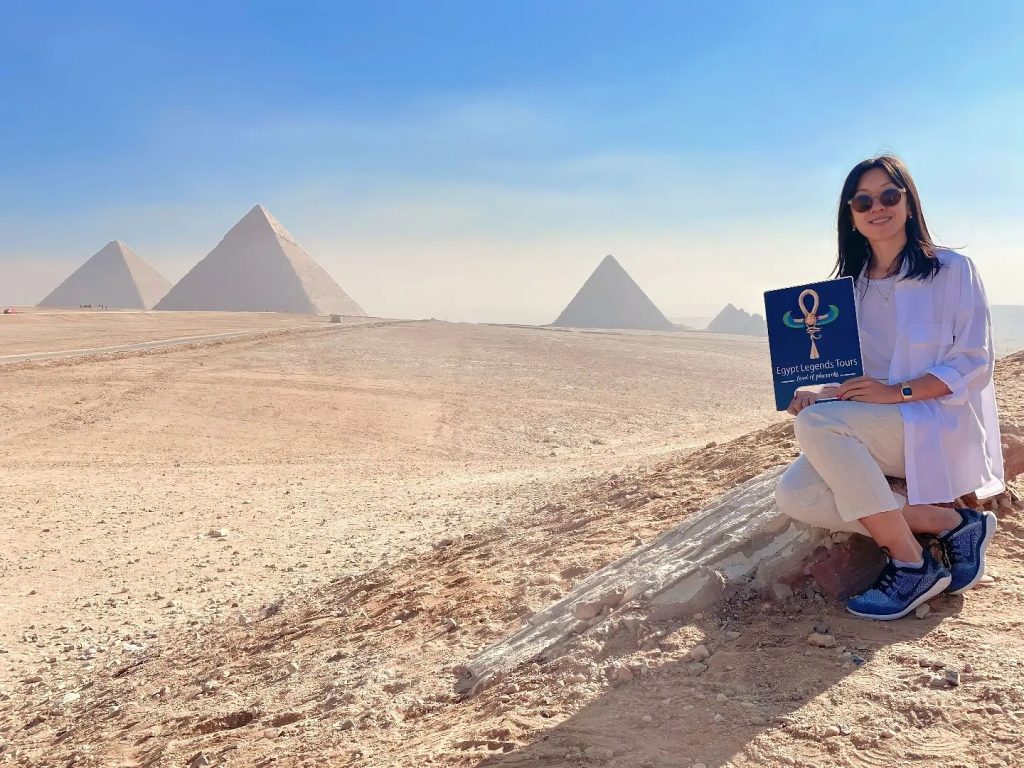
Is Egypt Safe for Solo Travelers?
This is often the first question. Generally, Egypt is safe for tourists, including solo travelers. Like any destination, exercising caution and common sense is key. Petty crime can occur, and while instances of serious crime against tourists are rare, staying aware of your surroundings, especially in crowded areas, is always advisable. For solo female travelers, respectful dress and being mindful of interactions can contribute to a more comfortable experience.
Pre-Trip Planning: Your Solo Egypt Adventure Starts Now!
- Visa Requirements for Egypt: Before anything else, check the Egypt visa requirements for your nationality. Many nationalities can obtain a visa on arrival, but it’s always best to confirm beforehand to avoid last-minute surprises.
- Best Time to Visit Egypt: The cooler months from October to April are ideal for exploring. Solo travel in Egypt in winter means pleasant temperatures for sightseeing, though popular sites will be busier.
- Egypt Solo Travel Budget: Research typical costs for accommodation, transport, and activities to create a realistic budget. This will help you manage your finances and avoid overspending.
- Packing for Solo Travel in Egypt: Pack light but smart. Comfortable walking shoes are a must. Modest clothing is recommended, especially when visiting religious sites. Don’t forget sun protection, even in winter!
- Travel Insurance for Egypt: This is non-negotiable for any solo trip. Ensure your policy covers medical emergencies, trip cancellations, and lost luggage.
Getting Around: Navigating Egypt Solo
- Egypt Transportation Guide: Navigating Egypt can seem daunting, but it’s manageable.
- Domestic Flights in Egypt: For long distances between cities like Cairo, Luxor, and Aswan, domestic flights are the quickest option.
- Egypt Trains: Overnight sleeper trains are a popular and efficient way to travel between major cities, offering a unique experience. Book in advance!
- Taxis and Ride-Sharing Apps in Egypt: In cities, ride-sharing apps like Uber and Careem are widely available and offer a safer, more transparent alternative to hailing street taxis. Always agree on a price beforehand if using a regular taxi.
- Nile Cruises Solo Travel: Many Nile cruises cater to solo travelers, offering a fantastic way to see ancient sites along the river while enjoying the company of other travelers.
- Navigating Local Culture: A little research into Egyptian customs and etiquette goes a long way. Learning a few basic Arabic phrases can also enhance your interactions.
Staying Safe and Connected: Solo Traveler Essentials
- Egypt Safety Tips:
- Stay Hydrated: The Egyptian sun can be intense. Drink plenty of water.
- Inform Someone of Your Itinerary: Share your plans with a trusted friend or family member back home.
- Be Aware of Scams: Like any popular tourist destination, be vigilant about common tourist scams. A firm “no thank you” is often enough.
- Respect Local Customs: Dressing modestly, especially for women, and respecting local traditions will contribute to a more positive experience.
- Staying Connected: Purchase a local SIM card upon arrival for easy access to maps, ride-sharing apps, and communication. Wi-Fi is generally available in hotels and many cafes.
Best Places to Visit in Egypt for Solo Travelers:
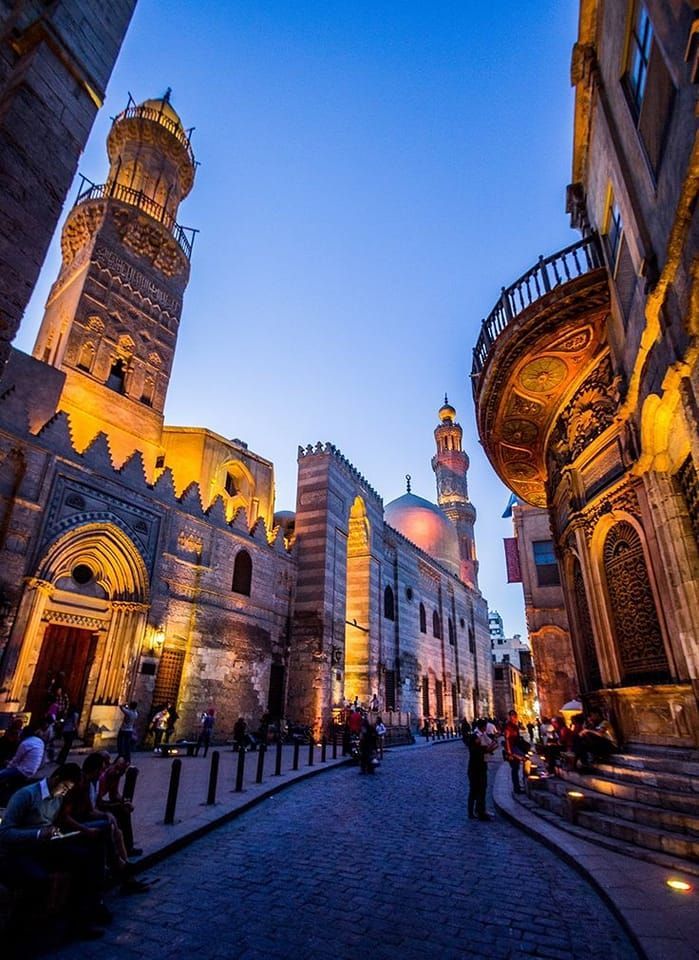
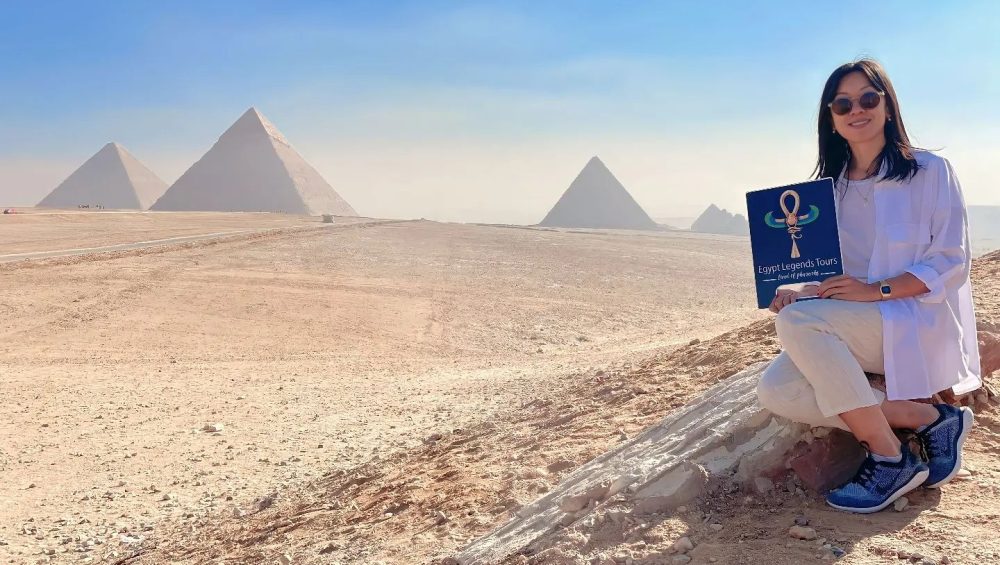
- Cairo for Solo Travelers: Discover the Pyramids of Giza, the Egyptian Museum, and Khan el-Khalili bazaar. Consider hiring a licensed guide for your first few days to get acquainted with the city.
- Luxor for Solo Travelers: Discover the Valley of the Kings, Karnak Temple, and Luxor Temple. The city is relatively easy to navigate on your own.
- Aswan for Solo Travelers: Enjoy a felucca ride on the Nile, visit the Philae Temple, and explore the Unfinished Obelisk. Aswan offers a more relaxed pace.
- Dahab Solo Travel: For those seeking a more laid-back vibe and incredible diving/snorkeling opportunities, Dahab on the Red Sea coast is a fantastic choice, especially popular with solo backpackers.
- Alexandria Solo Travel: Discover the Library of Alexandria, the Catacombs of Kom El Shoqafa, and the Citadel of Qaitbay.
Making the Most of Your Solo Trip to Egypt:
- Join Group Tours for Solo Travelers: While traveling solo, consider joining day tours or small group excursions for specific activities. This is a great way to meet other travelers and benefit from local expertise.
- Learn Basic Arabic Phrases: Even a few words like “shukran” (thank you) or “salam alaikum” (hello/peace be upon you) will be appreciated by locals.
- Embrace the Experience: Be open to new experiences, try local food, and engage with the friendly Egyptian people.
- Solo travel to Egypt is an enriching and empowering experience. By following these Egypt solo travel tips, you’ll be well-prepared to uncover the mysteries of this incredible country and create memories that will last a lifetime.
- So, pack your bags, embrace the adventure, and get ready to be captivated by Egypt!