A New Dawn for Ancient Egypt: Celebrating the Grand Egyptian Museum’s Grand Opening!

The Timeless Beauty of GEM

The moment we’ve all been waiting for is finally here! After decades of planning and construction, the Grand Egyptian Museum (GEM) in Giza is officially opening its doors to the world. This colossal event marks a historic milestone for Egypt and global culture, setting a new benchmark for showcasing ancient civilization.
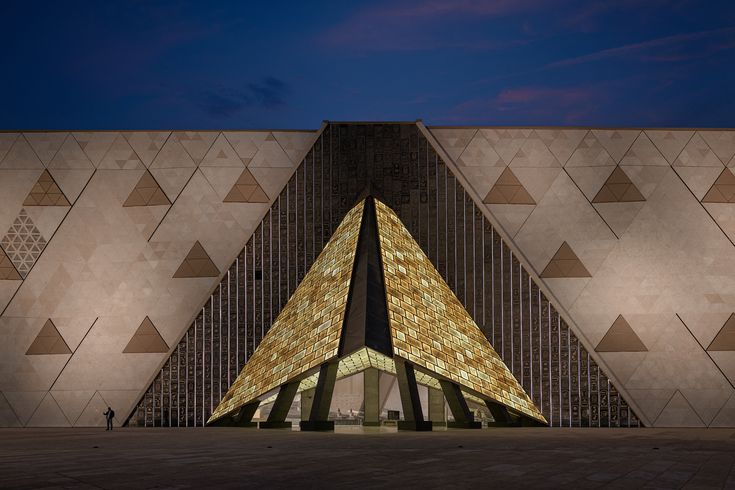
Grand Egyptian Museum | Client: HZ – Design: Heneghan Peng Architects

The Celebration of the Century

The official inauguration ceremony, scheduled for November 1, 2025, is a globally anticipated event, expected to draw heads of state, international dignitaries, and royalty. This isn’t just a museum opening; it’s a grand cultural message from Egypt, reaffirming its position as a cradle of civilization.

The excitement is palpable across the entire nation as the country celebrates the completion of this monumental project. The GEM, located near the Pyramids of Giza, is more than just a museum—it’s an architectural marvel designed to connect ancient wonders with a modern vision for the future of Egyptian heritage.

Discovering the Treasures of Tutankhamun

The main attraction that has captivated the world’s imagination is the complete Tutankhamun collection. For the first time ever, over 5,000 artifacts from the Boy King’s tomb—including the iconic gold funerary mask, chariots, and jewelry—will be displayed together in one location. This unprecedented exhibition offers a profound glimpse into the life and afterlife of this legendary pharaoh.

Beyond Tutankhamun, the museum houses an astounding 100,000 artifacts, charting the full course of ancient Egyptian civilization from prehistory to the Roman era.

King Khufu’s Boats Museum: Dedicated to the meticulously reconstructed 4,500-year-old solar barques, essential to the journey to the afterlife.

The Colossal Ramses II Statue: Standing proudly in the Grand Hall, this 3,200-year-old, 83-ton statue is the first sight to greet visitors.

The Grand Staircase: Lined with over 60 massive statues and artifacts, this majestic staircase offers a panoramic view of the Giza Pyramids.
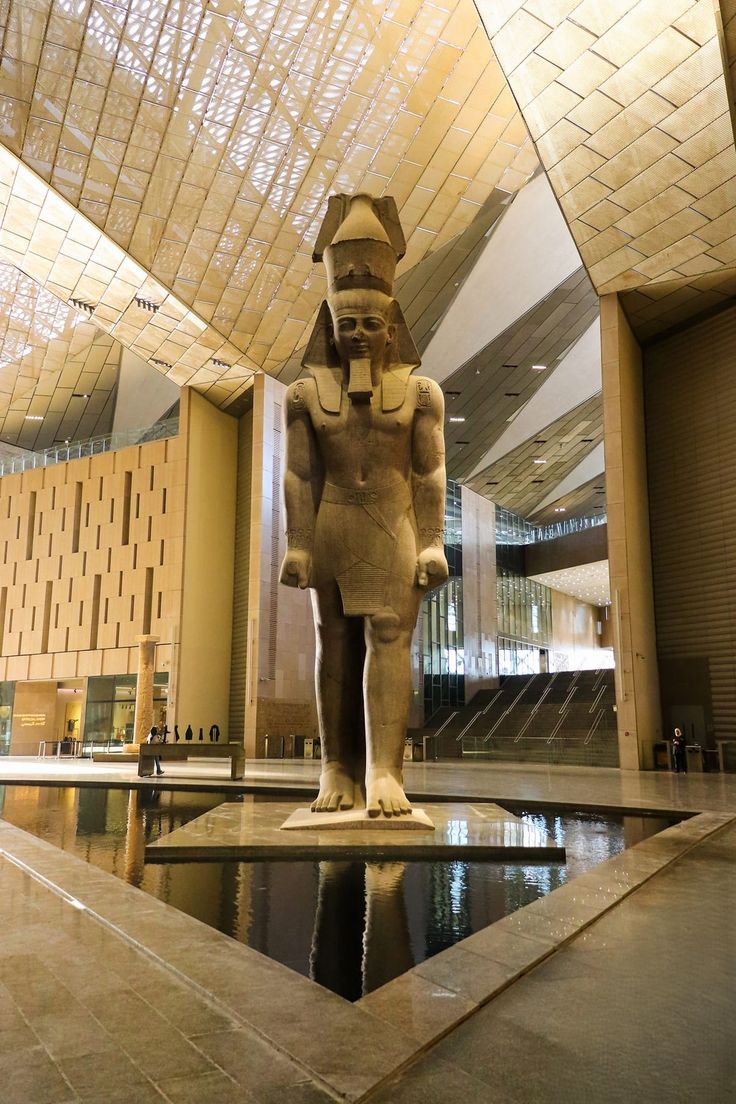
King Ramses The Second, GEM

Your Visit to the GEM: Plan Your Trip to Giza

The Grand Egyptian Museum will fully open to the public on November 4, 2025, immediately following the official inauguration.

This stunning new landmark is set to dramatically enhance Egypt tourism, providing a state-of-the-art, accessible experience for visitors worldwide. With its innovative design, cutting-edge conservation laboratories, and world-class exhibits, the GEM is not just preserving the past—it is building a new future for archaeological museums.

Don’t miss the chance to be among the first to explore this once-in-a-lifetime cultural destination.
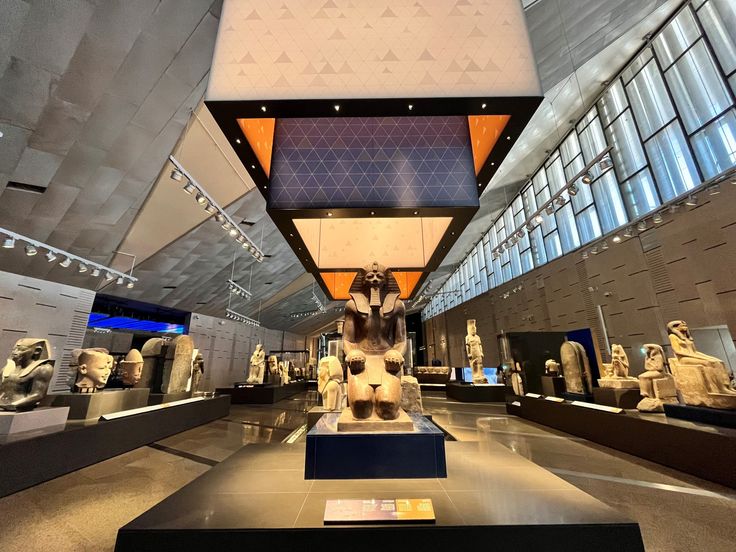
Queen Hatshepswut,GEM

Discover the Secrets of the Saqqara Complex: Egypt’s Oldest Pyramid Site

The Timeless Beauty of Saqqara

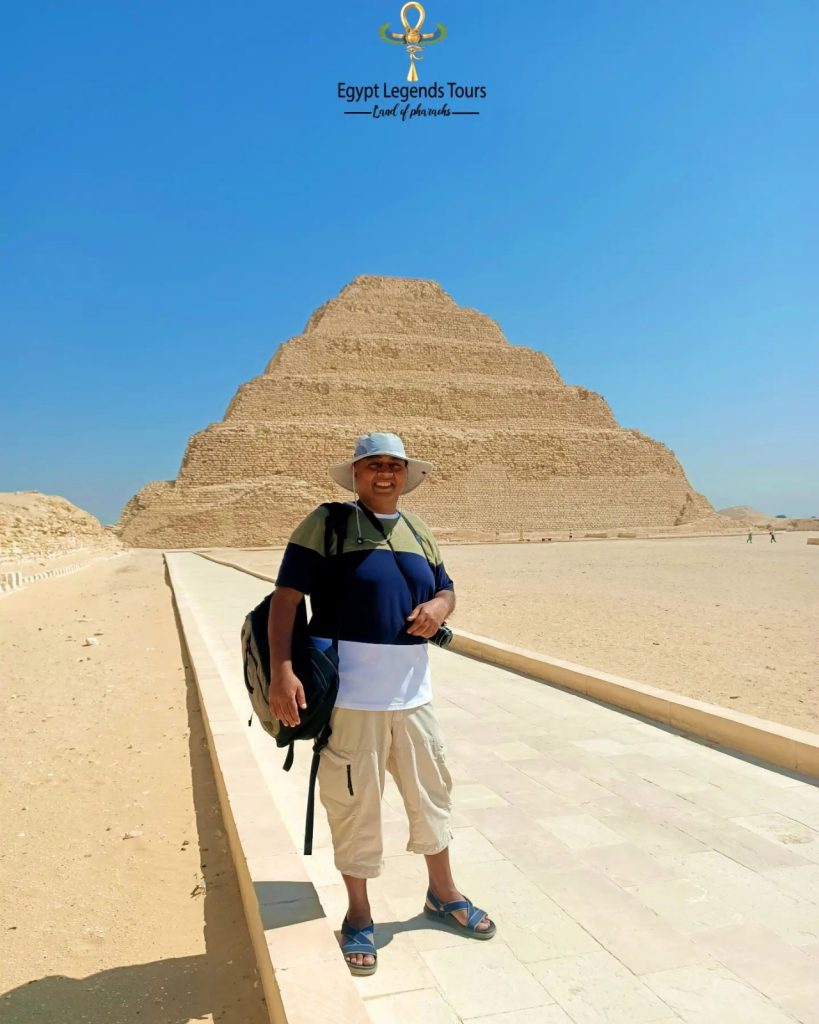
Located just 30 km south of Cairo, Saqqara is not only one of Egypt’s most captivating archaeological sites but also a glimpse into the rich tapestry of ancient Egyptian civilization. This extensive necropolis served as the burial ground for Memphis, the first capital of Egypt, and is home to the world’s oldest pyramid, the Saqqara Pyramid, famously known as the Step Pyramid of King Djoser. The site is a UNESCO World Heritage site and offers a deep dive into ancient history, with structures that date back over 4,600 years, making it a must-see destination for any traveler interested in Egypt’s storied past.

For travelers seeking to explore Egypt beyond the Giza Pyramids, the Saqqara Complex offers an authentic journey through time — filled with ancient tombs, hieroglyphs, and architectural wonders

For travelers seeking to explore Egypt beyond the Giza Pyramids, the Saqqara Complex offers an authentic journey through time, filled with ancient tombs, hieroglyphs, and architectural wonders. Visitors can immerse themselves in the history of ancient Egypt, learning about the cultural significance of the burial practices and the architectural innovations that made the Saqqara Pyramid a groundbreaking achievement in its time.

Visitors to the Saqqara Pyramid are often struck by its grandeur and significance in the history of ancient Egypt.

The Saqqara Pyramid stands as a testament to the architectural advancements of ancient Egypt, drawing visitors from around the globe.

Exploring the Saqqara Complex allows you to witness the evolution of pyramid design and understand the deep religious beliefs that influenced these magnificent structures. The Saqqara Pyramid stands as a testament to this architectural prowess, drawing visitors from around the globe to experience its historical grandeur and significance firsthand.

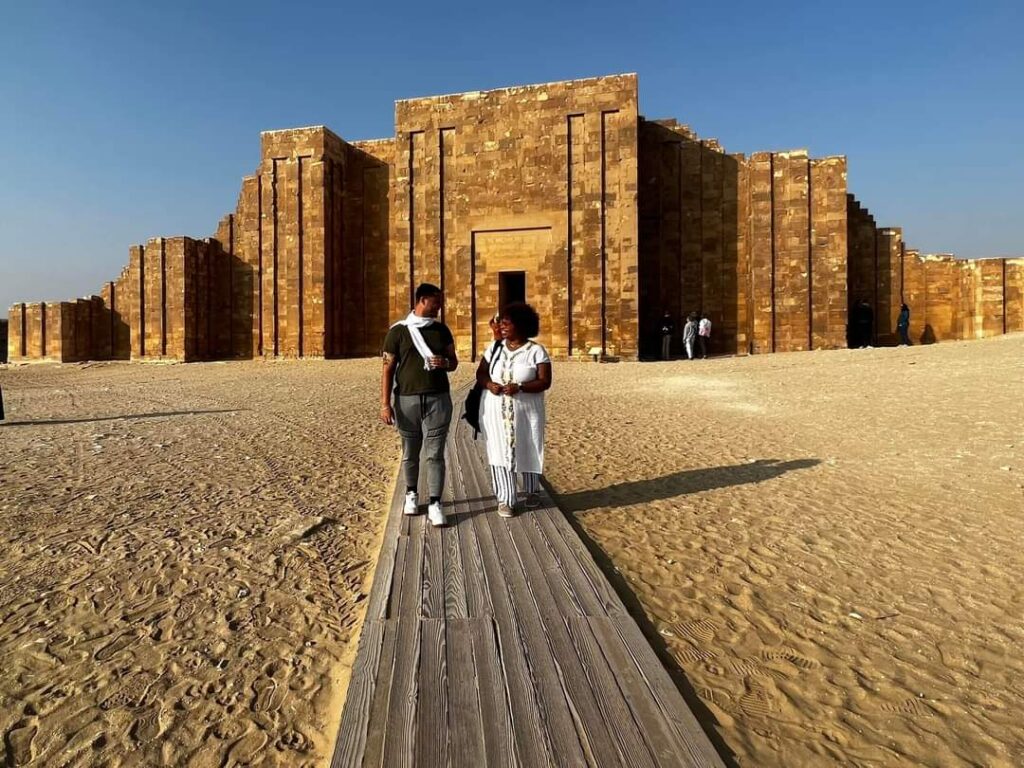
Saqqara Complex, Giza

The Step Pyramid of Djoser – Egypt’s First Pyramid

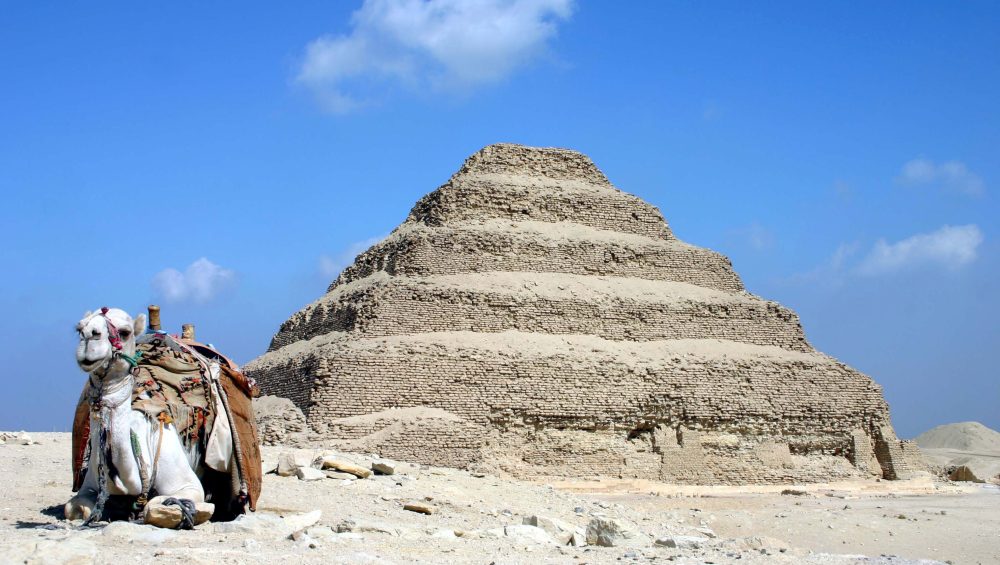
Built during the 27th century BC by the genius architect Imhotep, the Step Pyramid marks a revolutionary turning point in ancient Egyptian architecture.
Unlike the smooth-sided pyramids of Giza, this six-step structure was the prototype for all future pyramids.

Visitors can explore its underground tunnels and marvel at its limestone courtyards that have stood for more than 4,600 years.

Tombs of Nobles and Artisans

The Saqqara Complex is home to some of the most beautifully decorated tombs in all of Egypt. Inside the Tomb of Ti, Tomb of Kagemni, and others, vibrant wall carvings depict scenes of daily life — from fishing and farming to ancient celebrations.

These tombs give visitors a rare glimpse into how ordinary Egyptians lived, worked, and worshipped thousands of years ago.

The Serapeum of Saqqara – Sacred Bulls of Apis

Hidden beneath the desert sands lies the mysterious Serapeum, a vast underground network that served as the burial site for the sacred Apis bulls — animals worshipped as living gods in ancient Egypt.

The immense granite sarcophagi and torch-lit corridors make this one of the most breathtaking and spiritual sites in Saqqara.

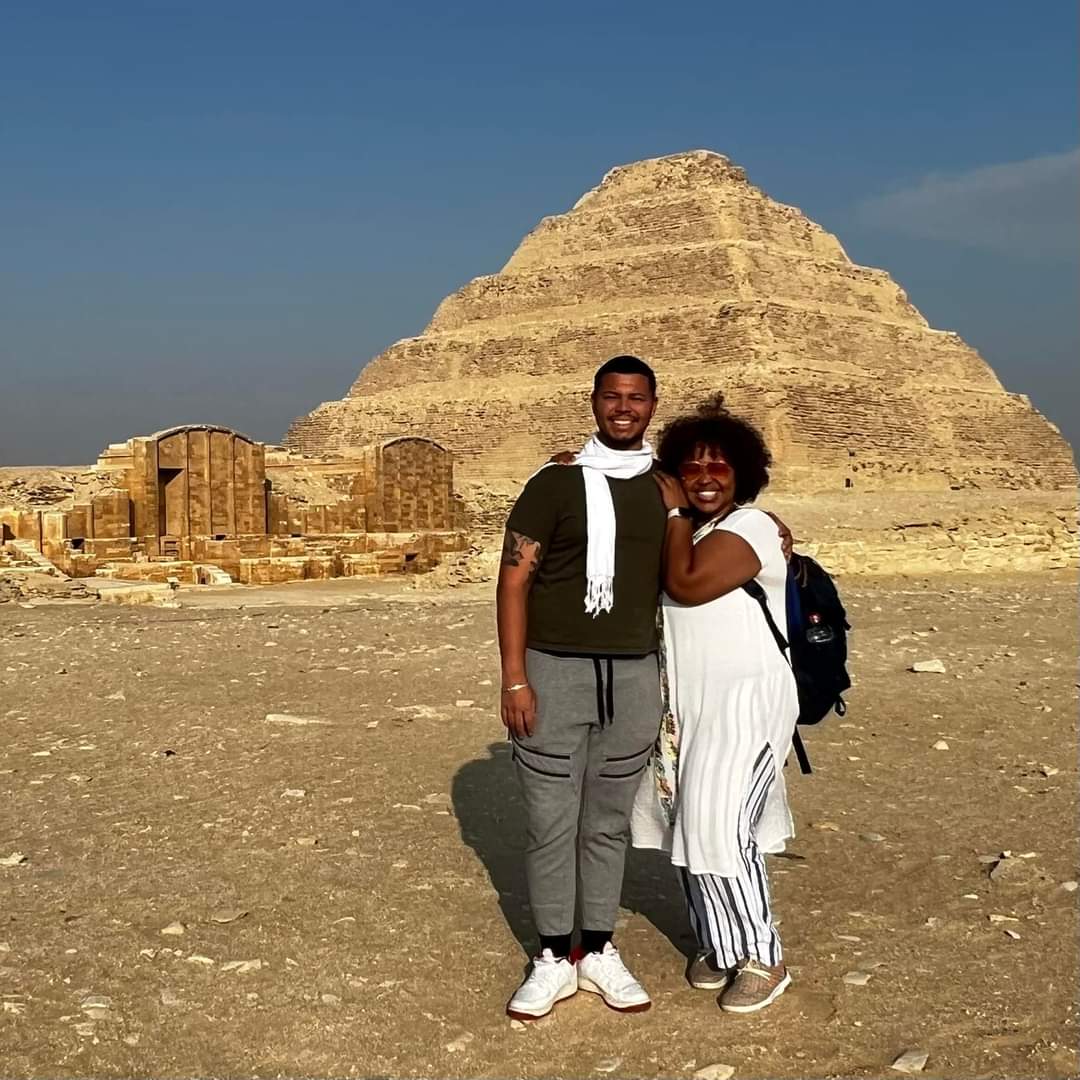
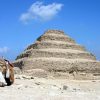
Step Pyramid of Zoser, Saqqara

Why Visit Saqqara with Egypt Legends Tours

At Egypt Legends Tours, we believe Saqqara is not just a site to visit — it’s a story to experience.
Our expert Egyptologist guides will walk you through the Step Pyramid, noble tombs, and hidden chambers while sharing fascinating stories that bring ancient Egypt to life.

Whether you’re a history lover or a first-time traveler, our Saqqara & Memphis Day Tour offers the perfect mix of adventure, knowledge, and culture.

Saqqara is not only Egypt’s oldest pyramid site — it’s the birthplace of monumental architecture and a living museum of ancient Egyptian art and culture.

From the Step Pyramid of Djoser to the beautifully decorated tombs and mystical Serapeum, every corner of Saqqara tells a story that still inspires wonder today.

Book your Saqqara day tour with Egypt Legends Tours and step back in time to explore the origins of ancient Egyptian civilization.

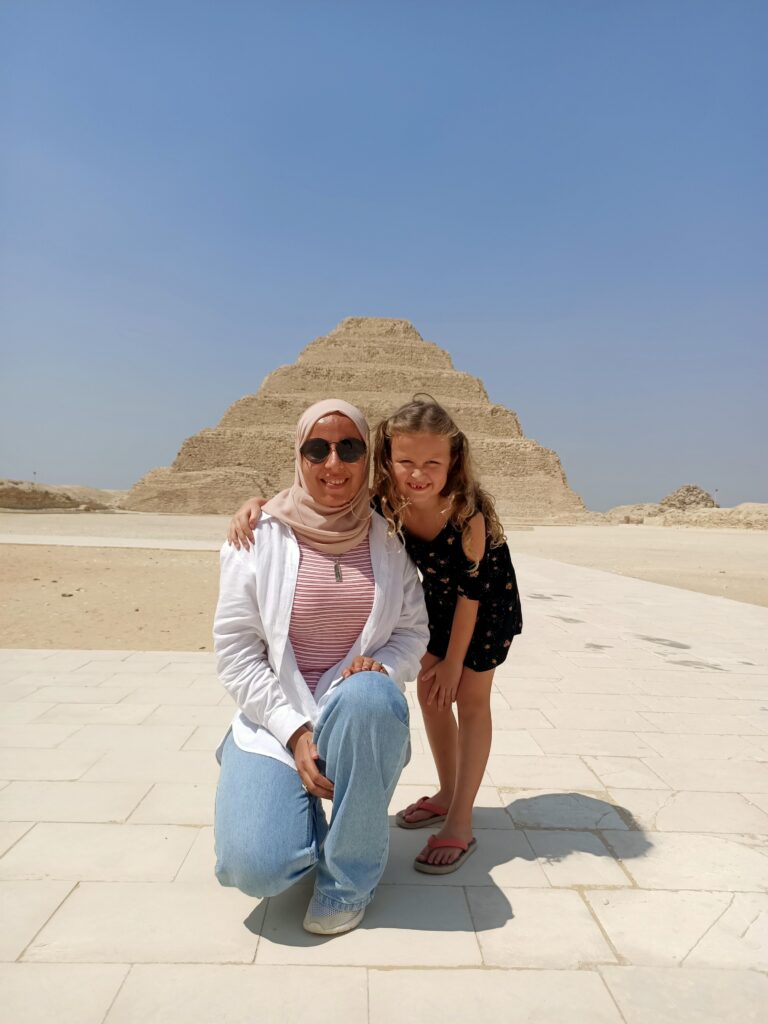
Step Pyramid, Saqqara

Unlocking the Mysteries: What Your Egyptologist Guide Knows (and You Don’t!)

You’ve seen the photos, read the history books, and dreamt of walking among the ancient wonders of Egypt. But what if we told you that even with all your research, there’s a universe of insights waiting to be “unlocked” – a depth of understanding that only a true expert can provide?

At Egypt Legends Tours, we believe that a journey through the land of pharaohs should be more than just sightseeing; it should be an immersive, educational, and deeply personal discovery. That’s why every one of our tours is led by a passionate, certified Egyptologist guide.

So, what exactly does your Egyptologist guide know (and why is it absolutely essential for your Egyptian adventure)? Prepare to have your mind opened!

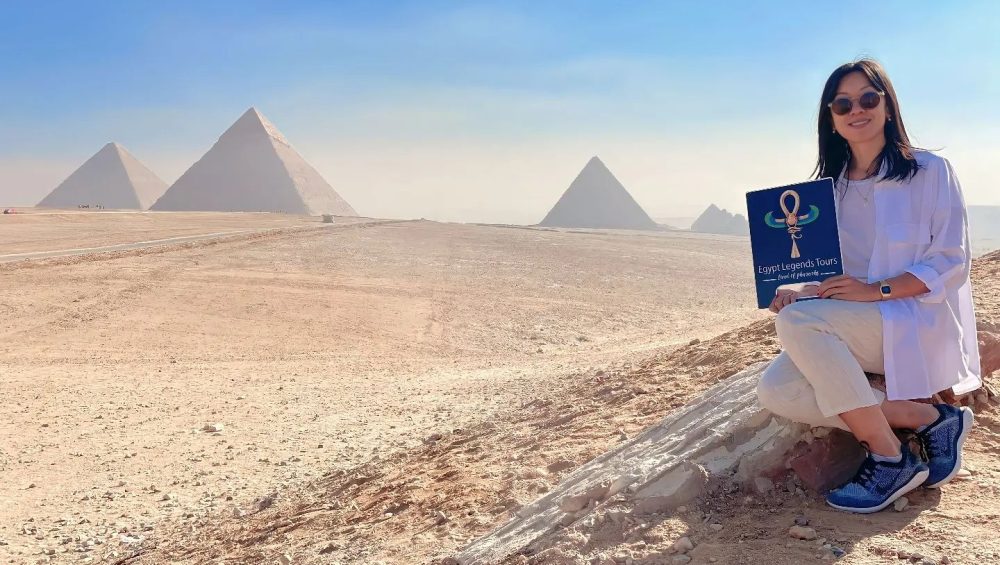
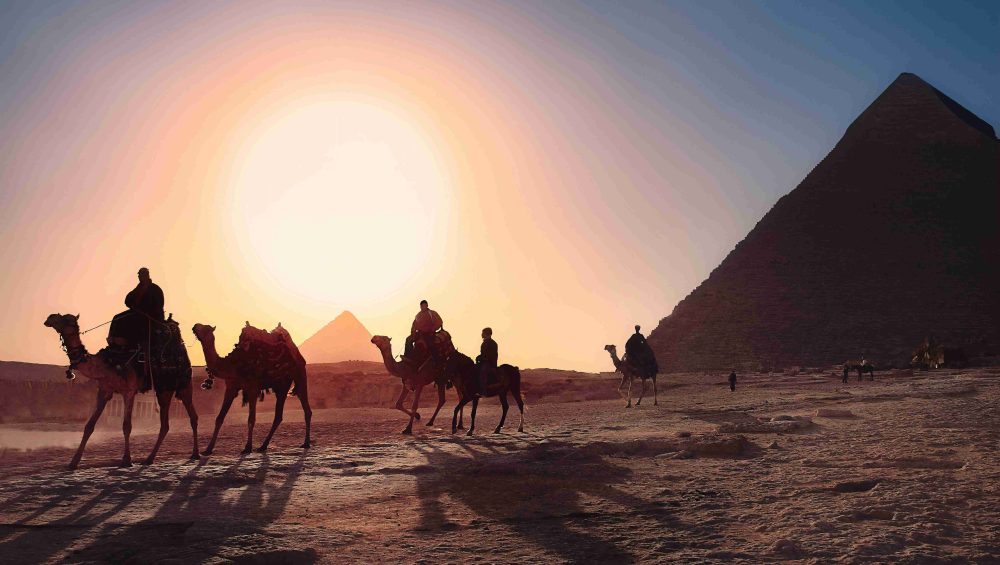
Giza Pyramids, Giza

Beyond the Textbooks: The Stories Behind the Stones

While history books give you the facts, an Egyptologist guide brings those facts to life. They understand:

  • The Nuances of Symbolism: Every carving, every color, every posture in a temple or tomb tells a story. Your guide can decode the intricate symbolism, explaining why a particular god is depicted with a falcon head, or the precise meaning of a specific hieroglyph. It’s like watching a silent movie suddenly gain a captivating soundtrack.
  • Ancient Daily Life: It’s not just about kings and queens. Your guide can paint a vivid picture of what life was truly like for the farmers, artisans, and ordinary people of ancient Egypt. From their food and fashion to their beliefs and superstitions, you’ll gain a richer understanding of this fascinating civilization.
  • Architectural Secrets: How were the Pyramids of Giza really built? What engineering marvels allowed the construction of the colossal Karnak Temple Complex? Your guide can delve into the techniques, tools, and immense human effort behind these impossible structures, often revealing details you’d never notice on your own.

The Pulse of the Past: Connecting to the Human Element

An Egyptologist doesn’t just recite dates and names. They help you connect emotionally with the past:

  • The Voices of the Deceased: In the Valley of the Kings, it’s easy to be overwhelmed by the artistry. Your guide will highlight specific scenes, perhaps explaining the prayers or spells intended to guide the pharaohs in the afterlife, making the human desire for immortality palpable.
  • The Purpose Behind the Rituals: From offerings to mummification, ancient Egyptian rituals were deeply meaningful. Your guide can explain the ‘why’ behind these practices, giving you a profound appreciation for their spiritual world.
  • Unpublished Insights: Many Egyptologists are involved in ongoing excavations or have access to the latest academic findings. They can share cutting-edge theories and discoveries that haven’t even made it into general publications yet!
Stanly Bridge Restaurant, Alexandria

Navigating the Present: Your Key to a Seamless Journey

Beyond the ancient wisdom, your Egyptologist guide is also your most valuable asset in modern Egypt:

  • Cultural Bridges: They are adept at navigating local customs, traditions, and etiquette. They can help you interact respectfully with locals, understand bargaining in a bazaar, and provide insights into contemporary Egyptian life.
  • Logistical Masters: Forget about getting lost or missing key details. Your guide seamlessly handles tickets, timings, transportation, and ensures you maximize your time at each site. They know the best vantage points, the quietest times to visit, and how to make every moment count.
  • Problem Solvers: Unexpected situations can arise. Having an experienced local expert by your side means any minor hiccups are handled efficiently, leaving you free to enjoy your vacation.

The Egypt Legends Tours Difference

Choosing Egypt Legends Tours means choosing an experience enriched by unparalleled expertise. Our Egyptologist guides are more than just tour Guides; they are storytellers, educators, and passionate ambassadors of their incredible heritage. They are the “key” to unlocking the mysteries of ancient Egypt, transforming your trip from a simple visit into a profound, personal odyssey.

Step Pyramid, Saqqara

Ready to delve deeper than ever before? Let our Egyptologist guides reveal the secrets and wonders of Egypt that you never knew existed. Your unforgettable journey awaits!

Solo Travel Tips for Exploring Egypt

Egypt, a land of ancient wonders and vibrant culture, calls to many a wanderer. While its mystique is undeniable, the thought of solo female travel in Egypt or even solo male travel in Egypt might bring up questions about safety and navigation. Fear not, intrepid adventurer! Exploring Egypt independently is not only possible but incredibly rewarding. With a little preparation and these Egypt solo travel tips, you’ll be well on your way to an unforgettable journey.

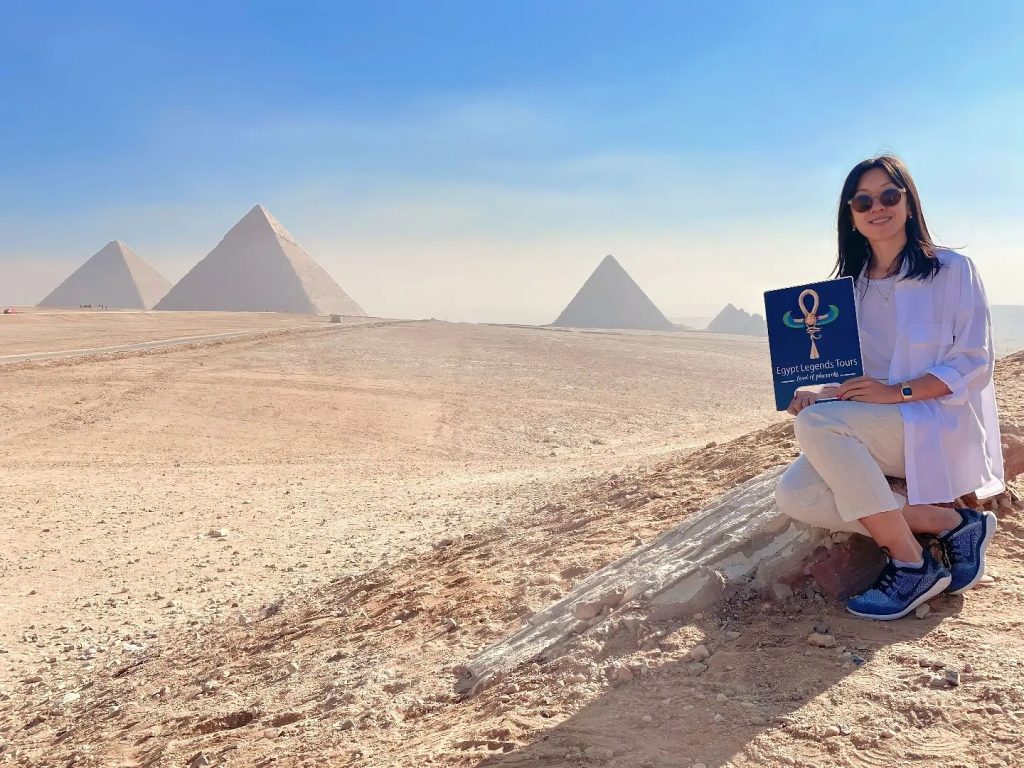
Giza Pyramids, Giza

Is Egypt Safe for Solo Travelers?

This is often the first question. Generally, Egypt is safe for tourists, including solo travelers. Like any destination, exercising caution and common sense is key. Petty crime can occur, and while instances of serious crime against tourists are rare, staying aware of your surroundings, especially in crowded areas, is always advisable. For solo female travelers, respectful dress and being mindful of interactions can contribute to a more comfortable experience.

Pre-Trip Planning: Your Solo Egypt Adventure Starts Now!

  • Visa Requirements for Egypt: Before anything else, check the Egypt visa requirements for your nationality. Many nationalities can obtain a visa on arrival, but it’s always best to confirm beforehand to avoid last-minute surprises.
  • Best Time to Visit Egypt: The cooler months from October to April are ideal for exploring. Solo travel in Egypt in winter means pleasant temperatures for sightseeing, though popular sites will be busier.
  • Egypt Solo Travel Budget: Research typical costs for accommodation, transport, and activities to create a realistic budget. This will help you manage your finances and avoid overspending.
  • Packing for Solo Travel in Egypt: Pack light but smart. Comfortable walking shoes are a must. Modest clothing is recommended, especially when visiting religious sites. Don’t forget sun protection, even in winter!
  • Travel Insurance for Egypt: This is non-negotiable for any solo trip. Ensure your policy covers medical emergencies, trip cancellations, and lost luggage.

Getting Around: Navigating Egypt Solo

  • Egypt Transportation Guide: Navigating Egypt can seem daunting, but it’s manageable.
    • Domestic Flights in Egypt: For long distances between cities like Cairo, Luxor, and Aswan, domestic flights are the quickest option.
    • Egypt Trains: Overnight sleeper trains are a popular and efficient way to travel between major cities, offering a unique experience. Book in advance!
    • Taxis and Ride-Sharing Apps in Egypt: In cities, ride-sharing apps like Uber and Careem are widely available and offer a safer, more transparent alternative to hailing street taxis. Always agree on a price beforehand if using a regular taxi.
    • Nile Cruises Solo Travel: Many Nile cruises cater to solo travelers, offering a fantastic way to see ancient sites along the river while enjoying the company of other travelers.
  • Navigating Local Culture: A little research into Egyptian customs and etiquette goes a long way. Learning a few basic Arabic phrases can also enhance your interactions.
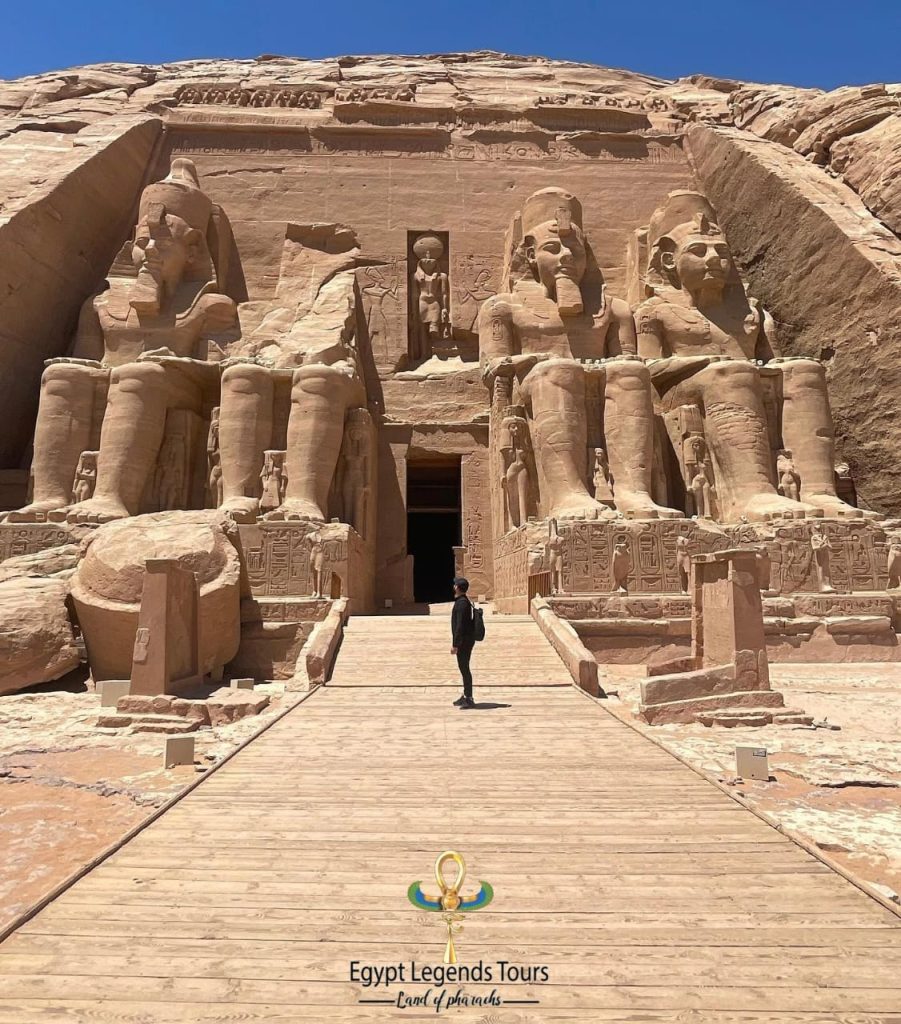
Abu Simble, Aswan

Staying Safe and Connected: Solo Traveler Essentials

  • Egypt Safety Tips:
    • Stay Hydrated: The Egyptian sun can be intense. Drink plenty of water.
    • Inform Someone of Your Itinerary: Share your plans with a trusted friend or family member back home.
    • Be Aware of Scams: Like any popular tourist destination, be vigilant about common tourist scams. A firm “no thank you” is often enough.
    • Respect Local Customs: Dressing modestly, especially for women, and respecting local traditions will contribute to a more positive experience.
  • Staying Connected: Purchase a local SIM card upon arrival for easy access to maps, ride-sharing apps, and communication. Wi-Fi is generally available in hotels and many cafes.

Best Places to Visit in Egypt for Solo Travelers:

  • Cairo for Solo Travelers: Discover the Pyramids of Giza, the Egyptian Museum, and Khan el-Khalili bazaar. Consider hiring a licensed guide for your first few days to get acquainted with the city.
  • Luxor for Solo Travelers: Discover the Valley of the Kings, Karnak Temple, and Luxor Temple. The city is relatively easy to navigate on your own.
  • Aswan for Solo Travelers: Enjoy a felucca ride on the Nile, visit the Philae Temple, and explore the Unfinished Obelisk. Aswan offers a more relaxed pace.
  • Dahab Solo Travel: For those seeking a more laid-back vibe and incredible diving/snorkeling opportunities, Dahab on the Red Sea coast is a fantastic choice, especially popular with solo backpackers.
  • Alexandria Solo Travel: Discover the Library of Alexandria, the Catacombs of Kom El Shoqafa, and the Citadel of Qaitbay.
Step Pyramid, Saqqara

Making the Most of Your Solo Trip to Egypt:

  • Join Group Tours for Solo Travelers: While traveling solo, consider joining day tours or small group excursions for specific activities. This is a great way to meet other travelers and benefit from local expertise.
  • Learn Basic Arabic Phrases: Even a few words like “shukran” (thank you) or “salam alaikum” (hello/peace be upon you) will be appreciated by locals.
  • Embrace the Experience: Be open to new experiences, try local food, and engage with the friendly Egyptian people.
  • Solo travel to Egypt is an enriching and empowering experience. By following these Egypt solo travel tips, you’ll be well-prepared to uncover the mysteries of this incredible country and create memories that will last a lifetime.
  • So, pack your bags, embrace the adventure, and get ready to be captivated by Egypt!

Egypt in September: Beat the Crowds, Embrace the Warmth

Dreaming of ancient wonders but want to avoid the peak crowds and the intense summer heat? September in Egypt might just be your perfect window. As the scorching summer begins to mellow, Egypt transforms into a more inviting destination, offering a unique blend of vibrant energy and slightly more comfortable temperatures.

While it’s still warm, especially in the south, September marks the transition towards the prime travel season. You’ll find fewer crowds than in the cooler months, making for a more intimate experience at iconic sites. Let’s dive into what makes visiting Egypt in September a fantastic choice for your adventure.

September’s Climate: Warm, But Waning

September in Egypt is a month of transition. The intense heat of July and August begins to subside, but don’t pack away your summer clothes just yet!

  • Cairo & Northern Egypt: Expect daily averages around 28-32°C (82-90°F), with cooler evenings. Humidity can still be present, especially earlier in the month.
  • Luxor, Aswan & Southern Egypt: These regions remain hot, with averages around 32-38°C (90-100°F). While warm, it’s significantly milder than the peak summer, and dry heat can make it feel more manageable than humid conditions elsewhere.
  • Red Sea Coast (Hurghada, Sharm El Sheikh): Temperatures here will also be warm, averaging around 30-35°C (86-95°F), perfect for enjoying the beaches and diving. The sea water is wonderfully warm, too!

Key takeaway: While it’s still warm, the sun isn’t as relentlessly harsh as mid-summer, especially by the end of the month. Mornings and evenings become increasingly pleasant.

Why September is a Great Time to Visit

  1. Fewer Crowds: September precedes the absolute peak season (October-April). This means fewer tourists at major sites like the Pyramids, Karnak Temple, and the Valley of the Kings. You’ll often find yourself with more space to explore and capture those perfect, unobstructed photos.
  2. Excellent for Water Activities: The Red Sea is at its prime! The water is incredibly warm and clear, offering fantastic conditions for snorkeling, scuba diving, and other water sports.
  3. Vibrant Local Life: As the weather cools slightly, local life spills back onto the streets in the evenings. Cafes buzz, and Egyptians enjoy the more comfortable temperatures after sunset, offering a lively cultural atmosphere.
  4. Value for Money (Potentially): Early September can sometimes offer slightly better deals on flights and accommodations compared to the high season, especially before European school holidays kick in fully.

Top Activities for Your September Trip

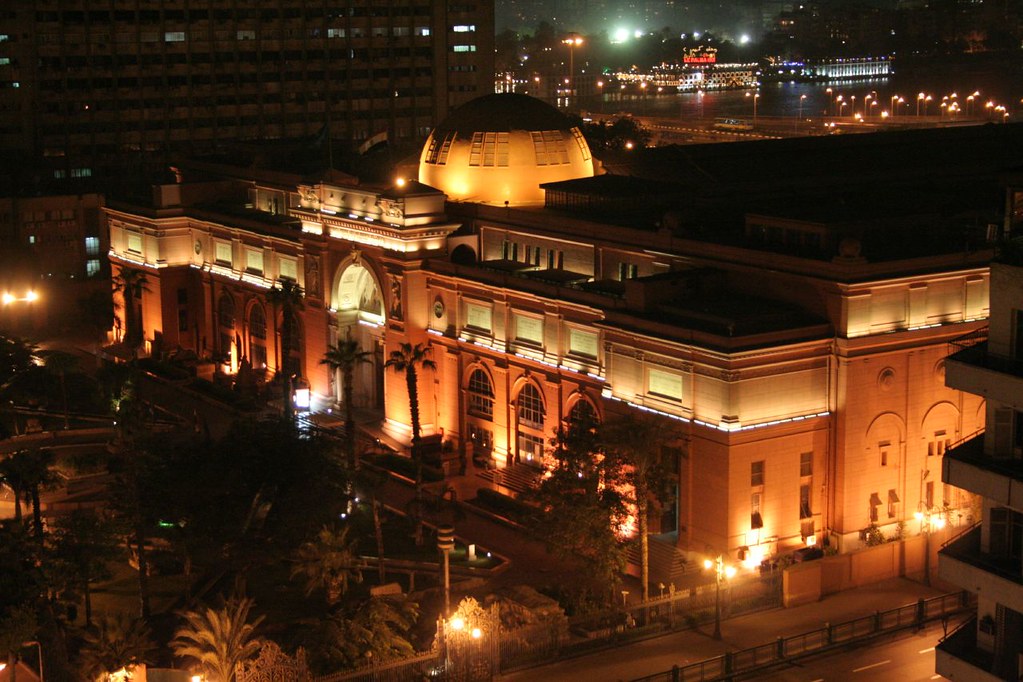
Cairo’s Indoor Wonders & Evening Charm: Discover Cairo’s grand museums like the Grand Egyptian Museum (GEM), the Egyptian Museum in Tahrir, or the National Museum of Egyptian Civilization (NMEC) during the hotter parts of the day. As evening approaches, immerse yourself in the bustling Khan el-Khalili bazaar, enjoy a felucca ride on the Nile, or dine at a rooftop restaurant.

Early Morning Site Visits: To beat the heat in Luxor and Aswan, plan your visits to major temples and tombs for early mornings. Witnessing sites like Karnak Temple or the Valley of the Kings as the sun rises and the air is freshest is a magical experience.

Nile Cruise: A Nile River cruise between Luxor and Aswan is highly recommended. You can relax on deck, enjoy the breeze, and visit temples along the river without enduring direct midday sun for extended periods. Most boats have pools for a refreshing dip.

Red Sea Relaxation & Adventure: Dedicate a few days to the Red Sea coast. Whether you’re in Hurghada or Sharm El Sheikh, the warm waters are ideal for swimming, sunbathing, snorkeling through vibrant coral reefs, or embarking on a thrilling dive.

Essential Tips for Traveling in September

  • Hydrate Relentlessly: Even if it feels cooler, the sun is strong. Drink bottled water constantly throughout the day to stay hydrated.
  • Sun Protection is Key: Pack high-SPF sunscreen, a wide-brimmed hat, and sunglasses. Seek shade whenever possible.
  • Dress Smart: Opt for lightweight, breathable fabrics like cotton and linen. Loose-fitting clothing that covers your shoulders and knees is recommended for modesty and sun protection, especially when visiting religious sites.
  • Embrace Early Starts: For archaeological sites, mornings are your best friend.
  • Book Accommodation with Air Conditioning: This is a non-negotiable for comfort.
  • Stay Flexible: Listen to your body and don’t hesitate to adjust your plans if you need a break from the heat.

September offers a wonderful bridge between the summer and prime seasons, providing a more relaxed atmosphere and fantastic opportunities to explore Egypt’s wonders. With smart planning and an appreciation for the climate, your September journey will be filled with unforgettable memories.

Ready to experience Egypt’s wonders in September?